

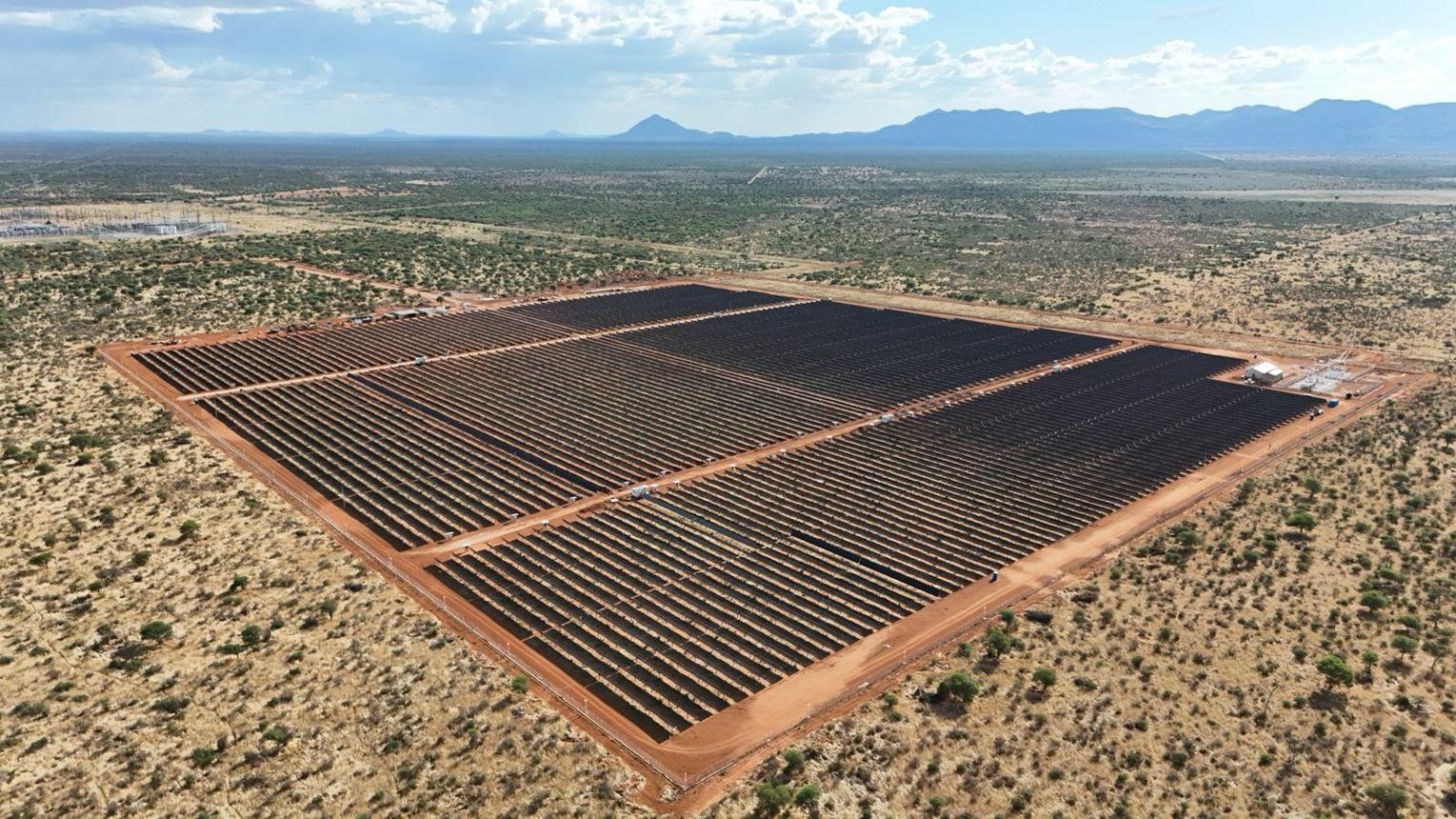
The failure of COP31 to produce an overarching political agreement has exposed a fundamental contradiction in global climate diplomacy: Africa is being asked to accelerate its transition towards a climate-resilient economy while the financial resources needed to make that transition possible remain deeply contested. For African governments, the question is no longer simply how much wealthy nations promise to contribute. It is whether the international climate system can deliver money on terms that allow African countries to develop without accumulating another generation of debt.
The 31st United Nations Climate Change Conference, held in Antalya, Türkiye, from November 9 to 20, 2026, was expected to strengthen international cooperation on climate action. Instead, disagreements over fossil fuels, financial obligations and the future of global climate commitments exposed persistent divisions between developed and developing economies.
For Africa, the consequences extend well beyond another disappointing diplomatic gathering. The continent faces a combination of worsening climate risks, infrastructure shortages, limited fiscal capacity and enormous development requirements. Its demand for climate finance is therefore not simply an environmental appeal. It is a challenge to the economic arrangements governing who pays for the global energy transition, who controls its resources and who benefits from the emerging green economy.
The central lesson of COP31 is that climate ambition without accessible financing risks becoming an obligation imposed on countries that have the least capacity to fulfil it.
COP31 Exposed the Weakness of Global Climate Cooperation
The negotiations in Antalya ended without an overarching political decision after countries failed to bridge disagreements over fossil fuels, climate finance and the response to global warming exceeding the 1.5-degree Celsius threshold.
The outcome represented a setback for countries seeking stronger international commitments, particularly vulnerable developing economies.
Disagreements over the language addressing fossil fuels and climate action prevented governments from reaching a broader political agreement. Although initiatives such as an electrification pledge supported by more than 90 countries demonstrated continued cooperation, they could not compensate for the wider diplomatic divisions.
For African negotiators, the problem was particularly significant because the continent entered COP31 seeking something more substantial than declarations.
African governments wanted predictable financing, stronger adaptation commitments, improved access to international climate funds and recognition that the energy transition must accommodate their development priorities.
These demands were not new. However, the failure to establish a stronger collective political outcome reinforced concerns that international climate diplomacy continues to struggle when commitments require wealthy economies to accept greater financial responsibility.
Africa’s Climate Finance Gap Is Becoming Harder to Ignore
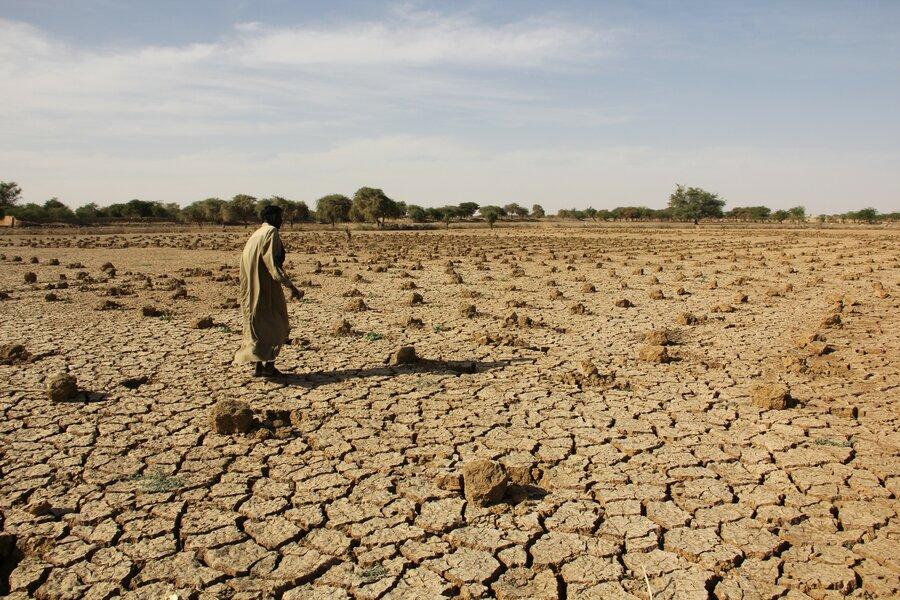
The financial argument behind Africa’s position is supported by a substantial and widening gap between investment requirements and available resources.
A November 2026 assessment by the Climate Policy Initiative found that African countries require approximately $207 billion annually between 2025 and 2030 to implement the climate commitments identified in their national climate plans.
Yet tracked climate finance flows reached approximately $74 billion annually in 2023 and 2024.
This leaves an indicative annual financing gap of approximately $133 billion when the two estimates are compared.
The figures reveal a financing challenge that cannot be solved through small increases in development assistance or isolated renewable energy projects.
Africa needs capital for electricity generation, transmission infrastructure, climate-resilient agriculture, water systems, transport networks, flood protection and public services.
Importantly, the $207 billion estimate represents stated needs in national climate plans, not the full economic cost of preparing the continent for climate change. Adaptation requirements remain incompletely assessed in several countries.
The distinction matters. A continent cannot build long-term resilience if its financial requirements are consistently underestimated.
The Problem Is Not Simply the Amount of Money
Africa’s climate finance debate is increasingly moving beyond the headline figures towards the quality, accessibility and conditions attached to funding.
A significant proportion of international climate financing arrives in the form of loans rather than grants.
Loans can support productive infrastructure and generate economic returns. However, financing drought preparedness, disaster recovery and the protection of vulnerable communities does not always produce the revenue needed to repay borrowed capital.
This creates an uncomfortable contradiction.
Countries already dealing with expensive debt obligations may be expected to borrow additional money to address climate damage they contributed relatively little to creating.
For governments facing pressure to finance hospitals, schools, electricity networks and transport infrastructure, additional borrowing creates difficult choices.
The African position is therefore increasingly focused on grant-based and highly concessional financing, particularly for adaptation and loss and damage.
The argument is not that every climate project should be funded through grants. Commercially viable renewable energy developments can attract private investment.
Rather, governments should not be forced to finance essential public climate protection through expensive commercial borrowing.
Climate Change Is Becoming an Economic Development Crisis
The implications of inadequate climate finance are particularly serious because climate change affects the foundations of African economic development.
Agriculture remains an important source of employment and livelihoods across the continent. Changing rainfall patterns, prolonged droughts, floods and rising temperatures threaten agricultural productivity and food security.
In regions dependent on rain-fed agriculture, unpredictable seasons can undermine household incomes, increase food prices and intensify pressure on governments.
The consequences extend into national budgets.
When floods destroy roads, bridges and public infrastructure, governments must redirect resources towards reconstruction. When drought affects agricultural production, the pressure to import food can increase. When water shortages affect electricity generation or industrial activity, the wider economy suffers.
Climate adaptation should therefore be understood as economic protection rather than an optional environmental expenditure.
The African Development Bank has repeatedly identified the scale of the continent’s climate investment requirements. Its October 2026 investor presentation estimated that Africa needs approximately $2.8 trillion to implement its nationally determined contributions.
That amount illustrates the scale of the challenge facing African governments and development institutions.
Without affordable financing, climate-related economic losses could undermine development gains and make future investment more expensive.
The Global Climate Finance Promise Remains Unresolved
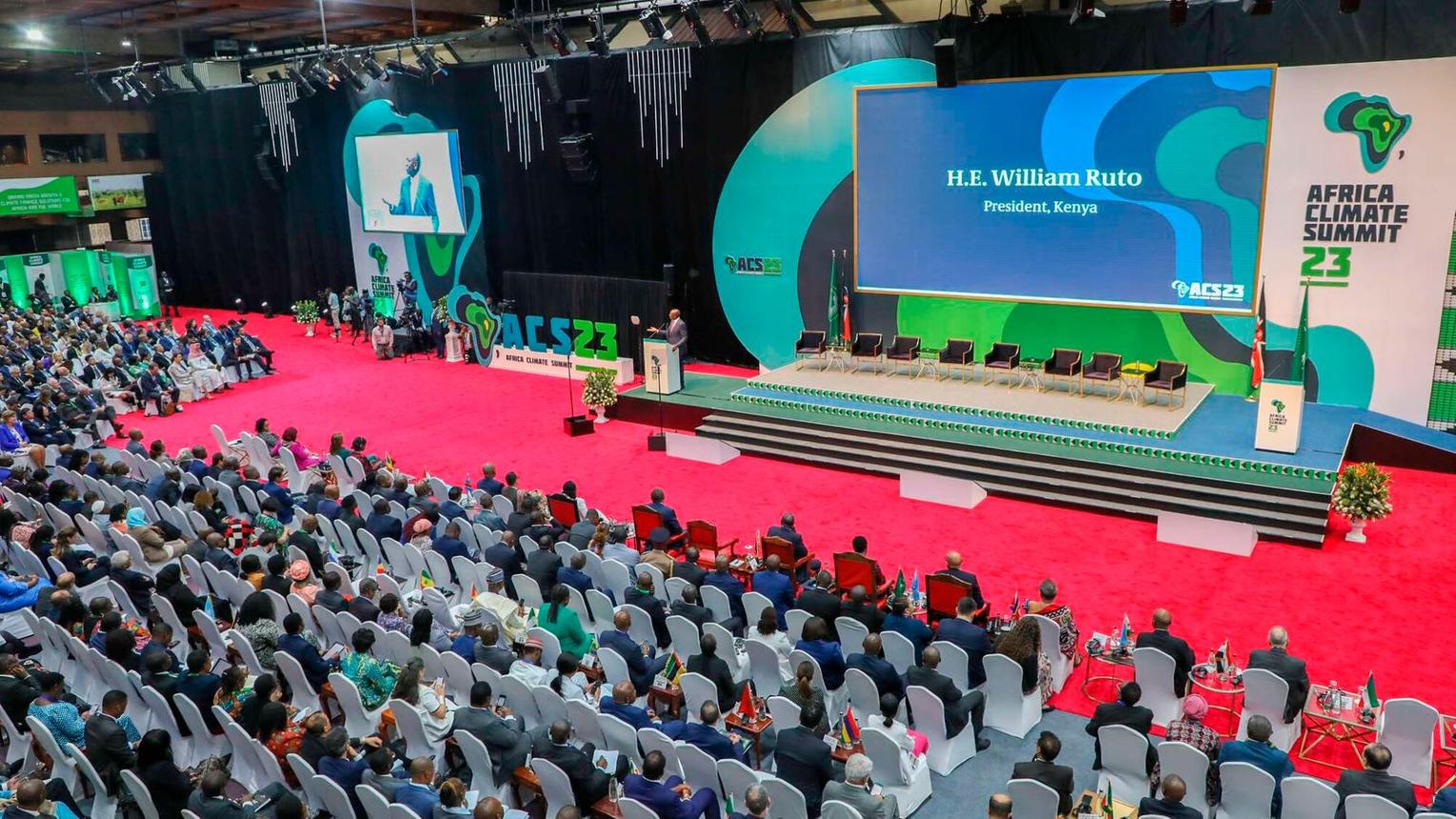
The financing dispute cannot be understood without examining the commitments made before COP31.
At COP29 in Baku in November 2024, governments agreed to a new collective climate finance goal of at least $300 billion annually by 2035 for developing countries, with developed countries taking the lead.
The agreement also called for efforts to scale up financing from public and private sources to at least $1.3 trillion annually by 2035.
Although the agreement represented an important diplomatic milestone, it left difficult questions about the sources of funding, accountability, accessibility and the distribution of resources.
For African countries, the distinction between the two targets is particularly important.
The $300 billion commitment establishes a collective goal led by developed countries. The $1.3 trillion ambition involves a much wider range of financial sources and contributors.
Private investment, commercial lending and development finance can all contribute to climate action. However, they cannot automatically substitute for public financial support, particularly in countries where climate adaptation projects offer limited commercial returns.
Africa’s concern is that a global financing target may look impressive while individual countries continue struggling to access affordable capital.
The problem is therefore not only the size of international commitments. It is the absence of sufficiently reliable mechanisms to turn those commitments into investments that reach communities.
COP31 did not resolve these underlying disagreements.
Renewable Energy Presents an Opportunity Africa Cannot Afford to Miss
While the climate finance debate frequently focuses on vulnerability, Africa also possesses significant economic opportunities within the global energy transition.
The continent has enormous solar, wind, hydroelectric and geothermal resources. Its young population, growing urban centres and expanding electricity demand create opportunities for investment in power generation, storage, transmission and industrial development.
However, natural resources alone do not guarantee economic transformation.
Solar panels, wind turbines and battery storage systems require substantial upfront investment. Electricity networks must connect generation facilities to households and businesses. Industrial users need reliable power, while governments must establish regulatory frameworks that encourage investment without sacrificing public interests.
The cost of capital is a particularly important obstacle.
An October 2026 OECD analysis of African capital markets found that clean energy investment needs to increase substantially across both North Africa and sub-Saharan Africa. It also highlighted how public financing constraints and high borrowing costs restrict investment.
This helps explain why climate finance is also an industrial policy issue.
Affordable funding could enable African countries to develop domestic solar manufacturing, battery supply chains, electricity infrastructure and renewable energy businesses.
Without it, the continent risks becoming primarily a consumer of technologies manufactured elsewhere while exporting the minerals and raw materials needed to produce them.
The distinction between participating in the green economy and owning a meaningful share of it could become one of Africa’s most important economic questions over the next two decades.
Africa Must Become a Stronger Participant in Climate Investment
There is an important development that deserves greater attention.
Africa is not entirely dependent on foreign governments or international development institutions to finance its climate transition.
The Climate Policy Initiative’s 2026 assessment found that private climate investment in Africa reached approximately $26.5 billion annually in 2023 and 2024, more than three times its level in 2019 and 2020.
Approximately 76% of this private financing originated from domestic sources.
Household investment in solar energy also increased substantially, demonstrating that African consumers and businesses are already participating in the transition.
This challenges the assumption that climate investment in Africa must always originate outside the continent.
African commercial banks, pension funds, insurance companies, businesses and institutional investors could play a much greater role in financing renewable energy and climate-resilient infrastructure.
But domestic capital markets require deeper development.
Governments must strengthen financial regulation, improve transparency, develop credible project pipelines and reduce unnecessary investment risks.
Regional financial institutions could also help pool resources and support projects that individual countries might struggle to finance independently.
The objective should not be to replace international climate finance with African money. It should be to use international support strategically to strengthen domestic investment capacity.
That would create a more sustainable financing structure in which African institutions retain greater control over investment decisions and economic benefits.
The Question of Who Controls Africa’s Green Transition
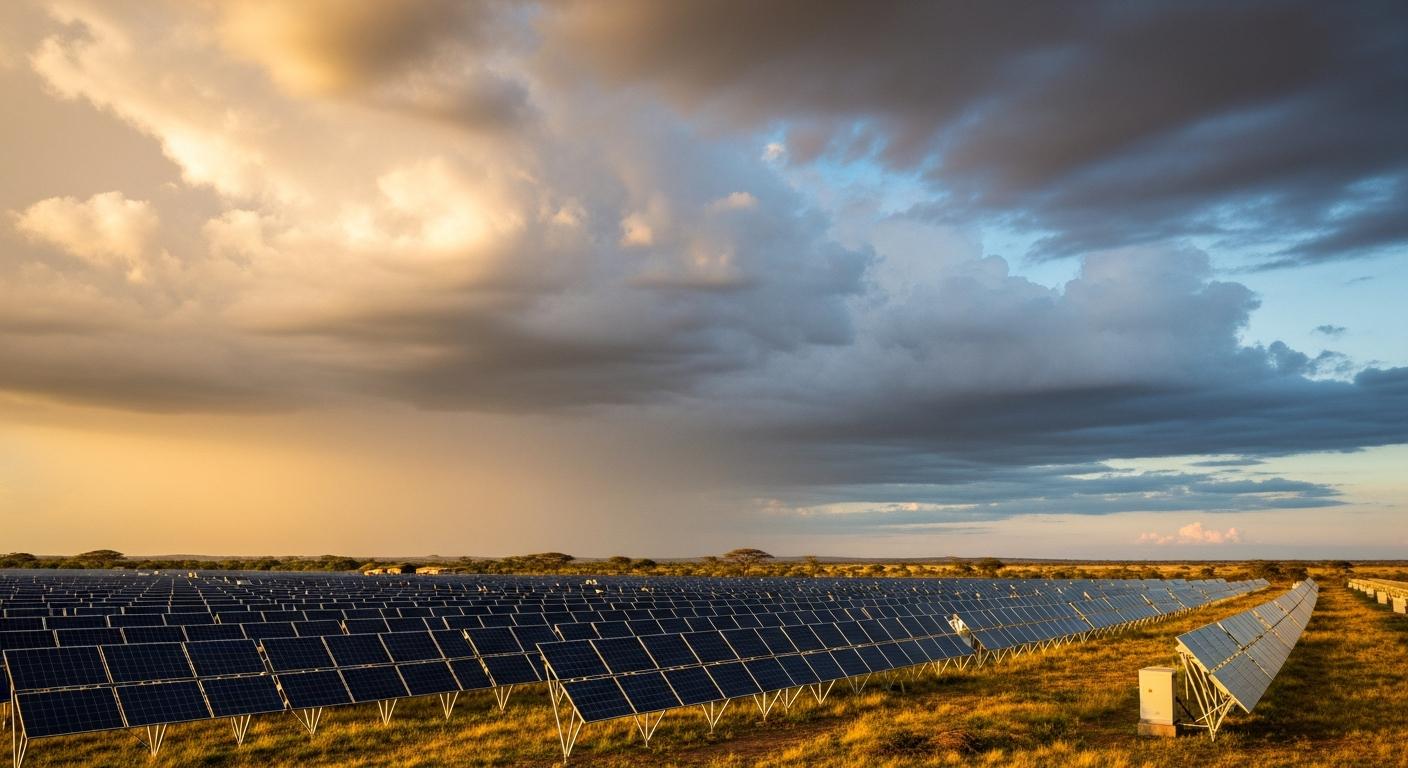
Another important issue emerging from COP31 concerns ownership.
Africa possesses substantial reserves of minerals essential to renewable energy technologies, including cobalt, lithium, copper, graphite and manganese.
Demand for these resources is increasing as governments and businesses invest in electric vehicles, batteries, electricity networks and other clean technologies.
This creates an opportunity for African countries to negotiate stronger positions in global supply chains.
However, resource ownership does not automatically translate into economic prosperity.
Without local processing capacity, technical expertise, reliable electricity and access to affordable finance, countries risk remaining suppliers of relatively low-value raw materials.
The same concern applies to climate investment.
If international financing primarily supports projects designed, financed and controlled by external institutions, African economies may receive infrastructure without capturing sufficient industrial value.
A more ambitious approach would connect climate finance to domestic manufacturing, technology transfer, research institutions, technical training and employment creation.
For example, investments in renewable energy could be linked to the development of local engineering businesses, battery recycling facilities and electricity equipment manufacturing.
Such an approach would transform climate finance from a mechanism for managing environmental damage into an instrument for economic development.
This does not mean rejecting foreign investment. International partnerships remain essential.
It means negotiating partnerships in which African countries have a meaningful role in determining priorities, ownership arrangements and the distribution of economic benefits.
The African Union Faces a Test of Collective Bargaining Power
Africa’s ability to secure better financing will depend partly on whether its governments can maintain a coordinated negotiating position.
The continent has 54 countries represented in international climate discussions. Their economies, energy resources, development priorities and exposure to climate risks differ considerably.
Oil-producing countries may have different transition priorities from countries heavily dependent on hydropower. Island states face particular threats from rising sea levels, while drought-prone economies require substantial agricultural and water infrastructure investment.
These differences can complicate negotiations.
Nevertheless, common interests remain substantial.
African governments have a shared interest in predictable financing, affordable capital, stronger adaptation support, fairer access to international institutions and a transition that does not undermine economic development.
The United Nations Economic Commission for Africa has emphasised these priorities, including climate justice, adaptation, loss and damage, renewable energy and reforms to the international climate finance architecture.
The challenge now is translating diplomatic unity into measurable financial outcomes.
African institutions must also improve accountability at home. Weak project preparation, corruption risks, inconsistent regulations and inadequate financial reporting can discourage investment and undermine public confidence.
International partners should not use these challenges as justification for withholding legitimate climate commitments. Equally, African governments cannot demand accountability internationally while neglecting it domestically.
Both responsibilities matter.
What COP32 Must Do Differently
The next major opportunity for African governments will be COP32, scheduled to take place in Ethiopia in 2027.
Its significance extends beyond hosting another international climate conference. Ethiopia and other African governments will have an opportunity to shift the discussion from negotiating commitments towards measuring implementation.
There are several priorities that deserve attention.
First, African negotiators should push for transparent reporting on how much climate finance developed countries actually provide, distinguishing grants from loans and public funding from mobilised private investment.
Second, adaptation financing should receive greater attention. Investments in drought-resistant agriculture, water security, flood protection and resilient infrastructure are essential to protecting African economies.
Third, African governments should seek reforms that make international climate funds easier to access, particularly for smaller countries and local institutions.
Fourth, climate investment should support industrial development, technology transfer and local employment rather than simply financing the purchase of imported technologies.
Finally, African governments should strengthen their own institutions and financial markets so that international funding can attract additional domestic and regional investment.
These priorities would give COP32 a more practical purpose: demonstrating whether international climate cooperation can produce measurable improvements in African development.
Africa Needs More Than Climate Promises
The failure to reach an overarching political agreement at COP31 should not be interpreted as the collapse of international climate cooperation. Individual negotiations and initiatives continued, and countries remain engaged in the broader process.
Nevertheless, the conference exposed a serious weakness in the international response to climate change.
The countries facing some of the greatest climate vulnerabilities are still struggling to secure the financing required to protect their economies and populations.
For Africa, this is ultimately a question of economic sovereignty.
The continent cannot industrialise sustainably, expand electricity access, modernise agriculture and protect vulnerable communities if climate investment remains inaccessible or excessively expensive.
Nor should African governments accept a development model in which they are expected to absorb the financial costs of a global environmental crisis without receiving adequate support.
But the responsibility for Africa’s future cannot rest entirely with wealthy nations. African governments must improve governance, mobilise domestic capital, develop regional markets and ensure that climate investments deliver measurable benefits to citizens.
The opportunity is considerable. So is the risk of missing it.
The real test of international climate justice will not be the number of agreements signed at successive climate conferences. It will be whether an African farmer can access reliable irrigation, whether a business can obtain affordable renewable electricity, whether a community can recover from devastating floods and whether African countries can build industries that create lasting prosperity.
Until climate finance produces those outcomes, the promises made in international conference halls will remain unfinished business.
