
Mining
Who really owns Africa’s gold? The battle for mines and refineries
West Africa's refining ambitions expose a deeper struggle over mineral ownership, foreign capital, economic sovereignty and who ultimately profits from Africa's gold.

West Africa's refining ambitions expose a deeper struggle over mineral ownership, foreign capital, economic sovereignty and who ultimately profits from Africa's gold.
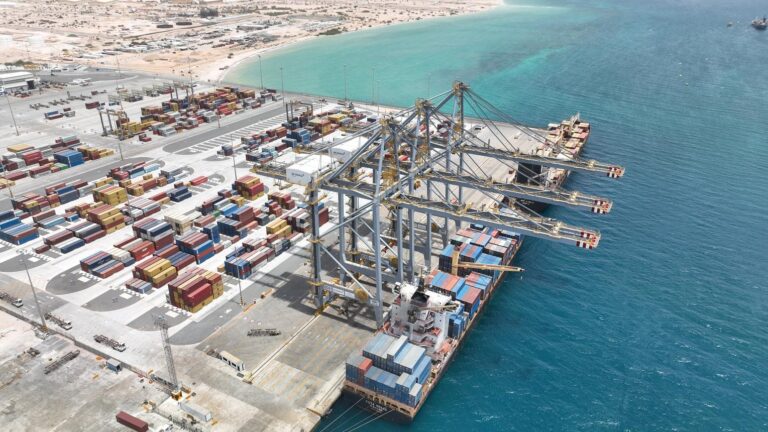
Somalia's struggle for sovereignty exposes a deeper contest over strategic ports, regional autonomy, foreign investment and political power in the Horn of Africa.
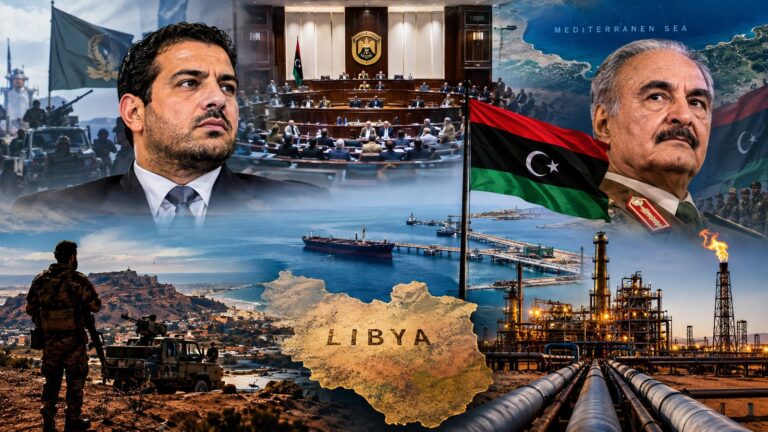
Libya’s oil wealth is expanding, but political fragmentation exposes the deeper struggle over institutions, military power and national sovereignty.
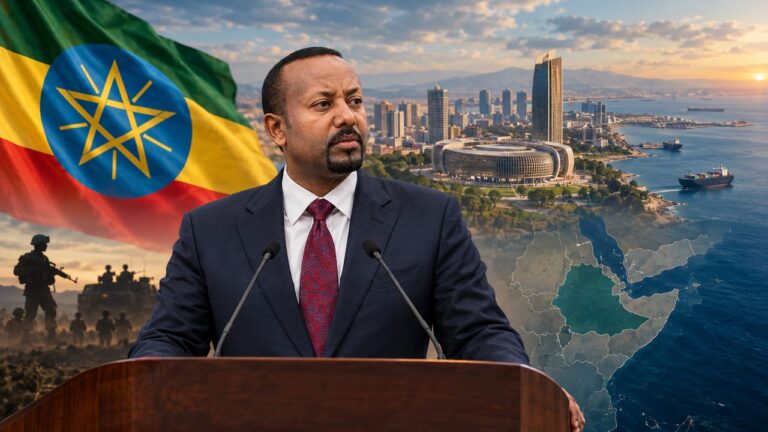
Ethiopia’s new political chapter begins with a stronger mandate, but unresolved conflicts and regional rivalries could define Abiy Ahmed’s second term.
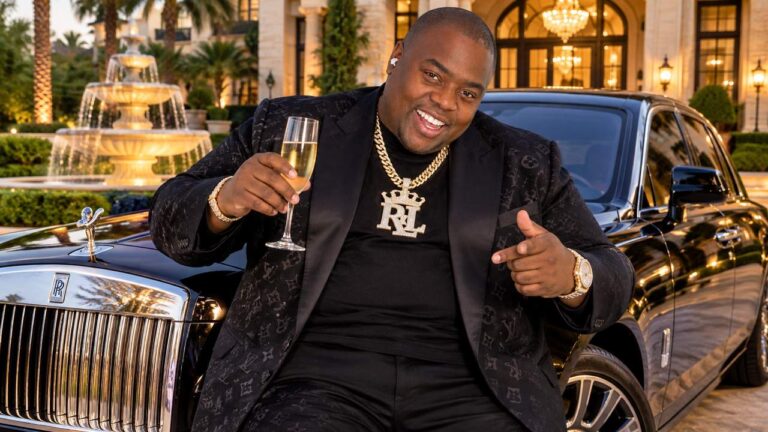
The rise of Wicknell Chivayo reveals how wealth, state contracts, philanthropy and political access are reshaping Zimbabwe’s modern power structure.
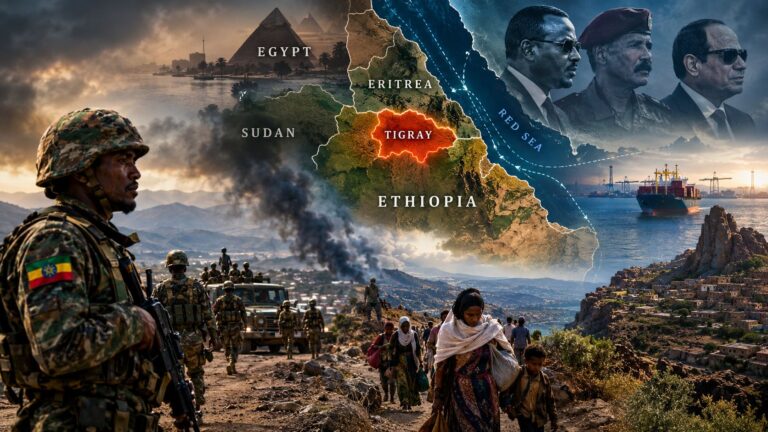
Ethiopia's renewed Tigray war is exposing a dangerous struggle over power, borders, sea access and influence across the Horn of Africa.
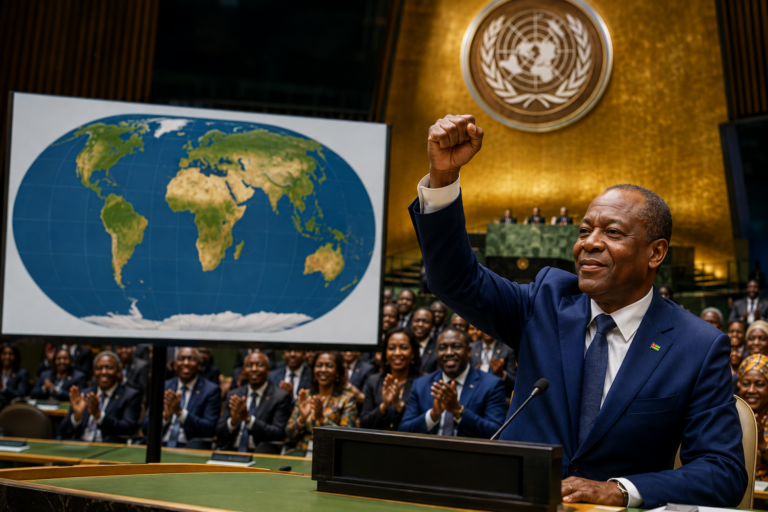
A Togo-led campaign to correct distorted world maps gives Africa a symbolic victory over geography, perception and colonial-era narratives.
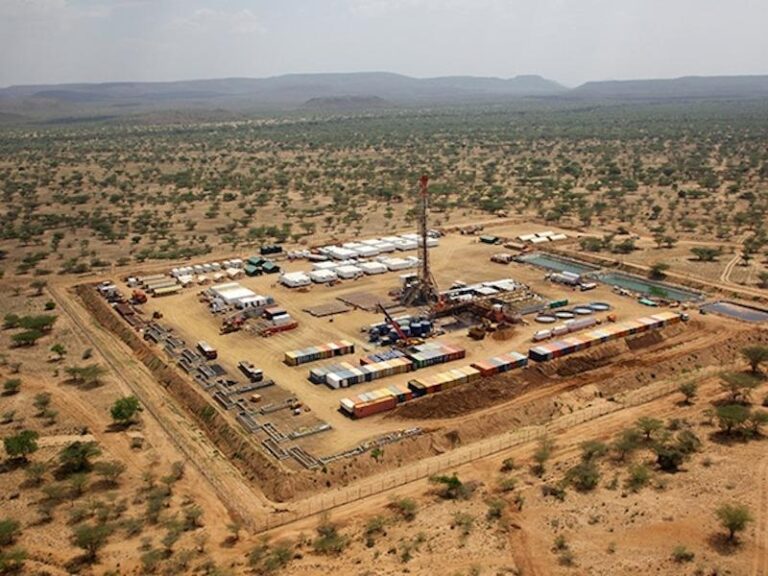
Kenya's emerging oil industry raises critical questions about ownership, foreign investment, government revenues and whether Turkana communities will finally benefit.
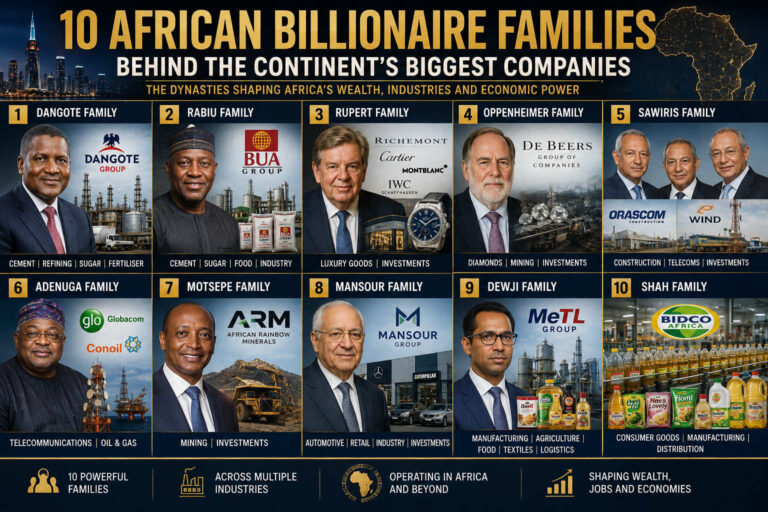
From cement and luxury goods to banking, mining and telecommunications, these families have turned capital into lasting corporate power across Africa.
Africa’s biggest refinery share sale raises a fundamental question about wealth creation: can Africans invest across borders as easily as capital moves across continents?
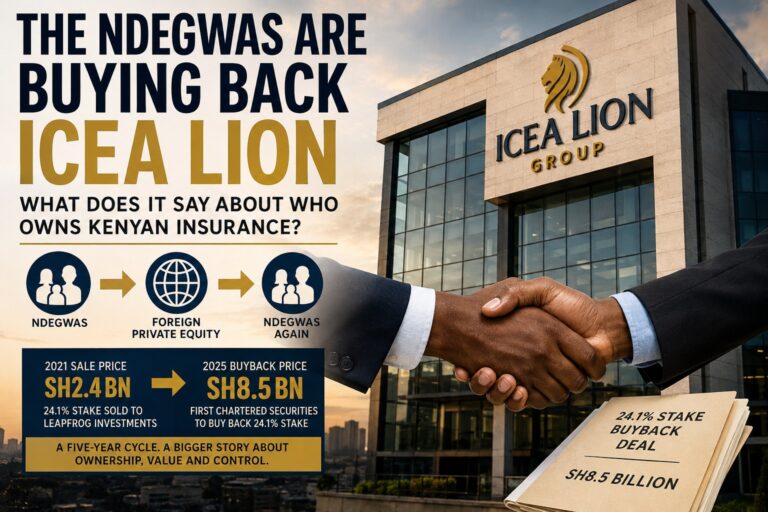
The ICEA Lion buyback is more than a family deal; it exposes the changing balance between local capital, foreign investors and control.
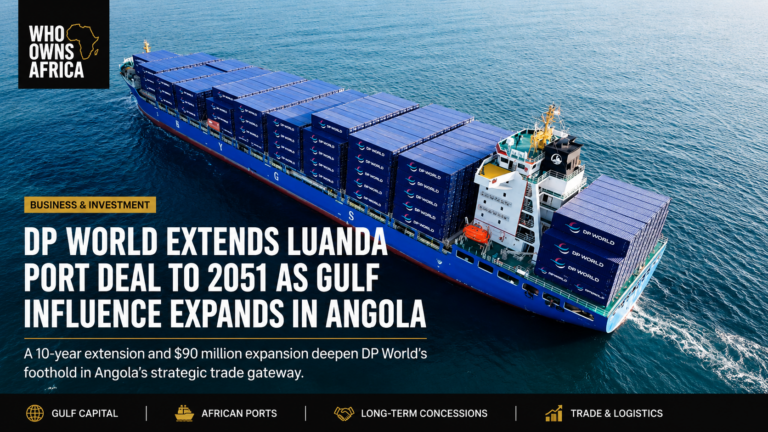
DP World’s Luanda extension reveals how Gulf capital is reshaping African trade infrastructure through long-term concessions, logistics and strategic access.
Egypt is turning African diplomacy into a commercial network linking manufacturers, farmers, financiers and markets across the continent.
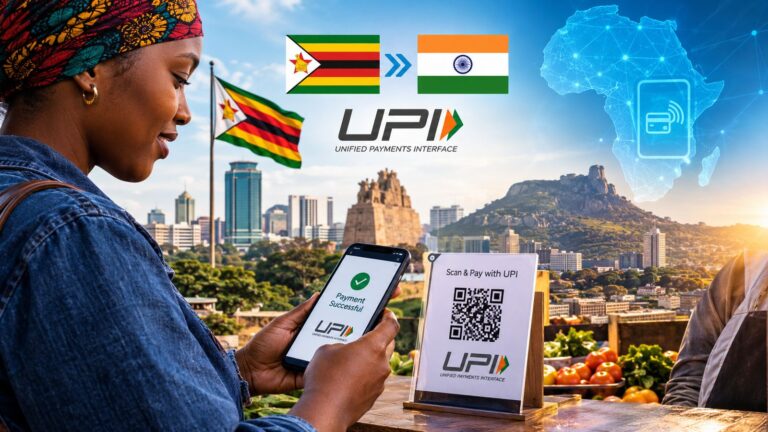
Zimbabwe's UPI talks reveal how digital payments could reshape financial sovereignty, regional commerce and Africa's relationship with global technology powers.
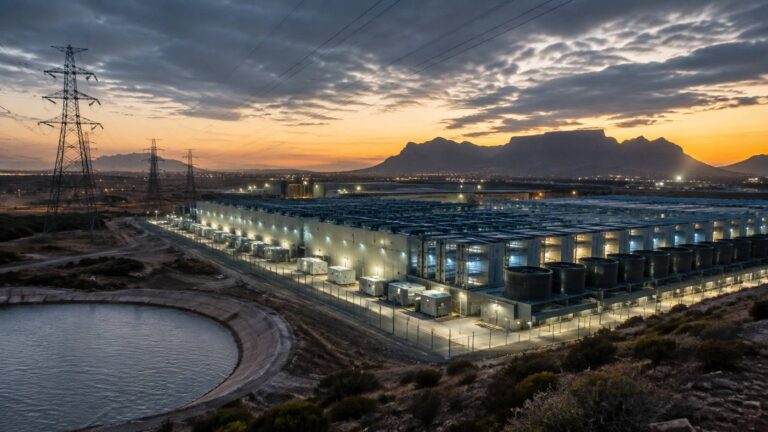
South Africa’s data-centre boom promises digital growth while raising urgent questions over water, electricity, ownership and public accountability in Africa.
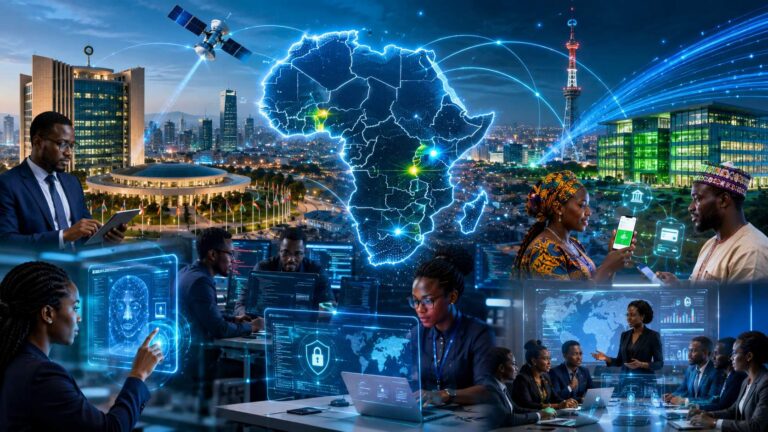
Governments across Africa are accelerating digital transformation through AI, digital identity, cybersecurity, fintech, and e-government reforms that are reshaping economies.
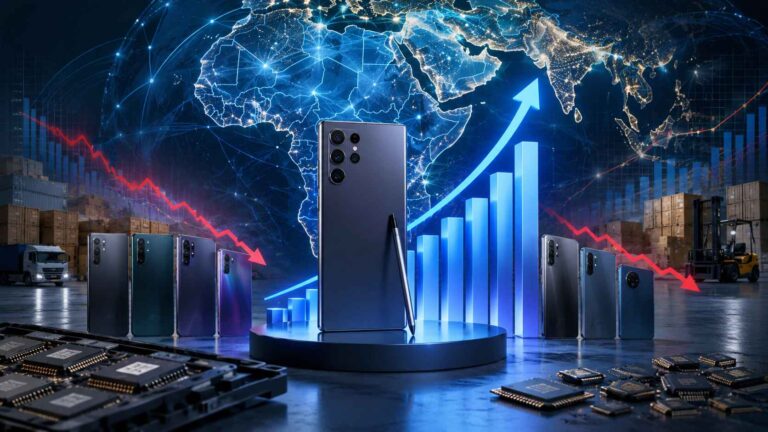
Samsung strengthens its market leadership across the Middle East and Africa as falling demand, supply shortages, and rising premium smartphone sales reshape competition.
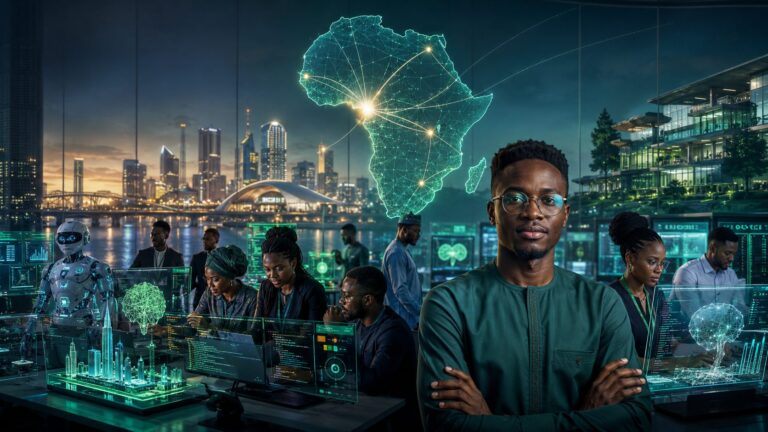
Nigeria is combining public investment, university programmes and private-sector infrastructure to turn its large technology workforce into an AI-driven economic advantage.
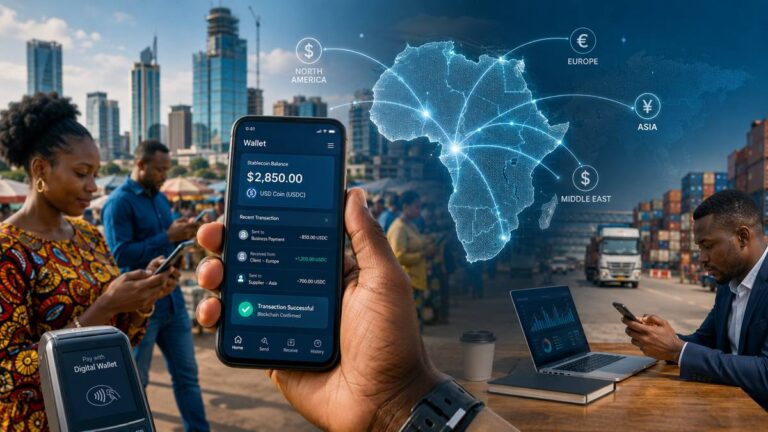
Africa’s growing digital economy is creating demand for faster, cheaper cross-border payments, putting stablecoins at the centre of a new financial infrastructure race.
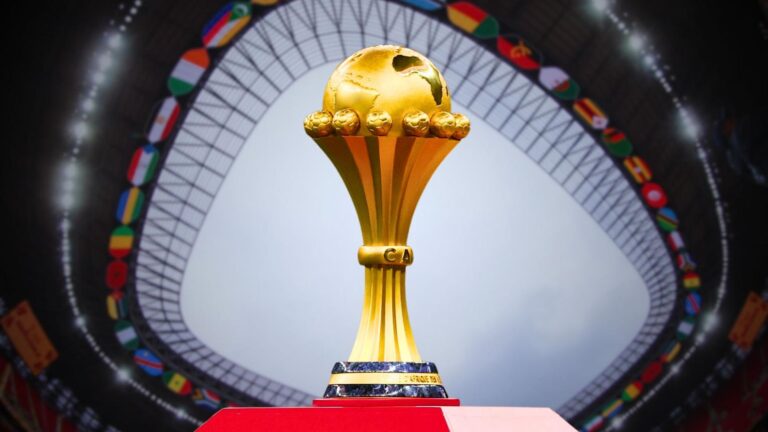
CAF's financial recovery raises bigger questions about who controls African football's commercial rights, institutional decisions, sponsorship revenues and development priorities.
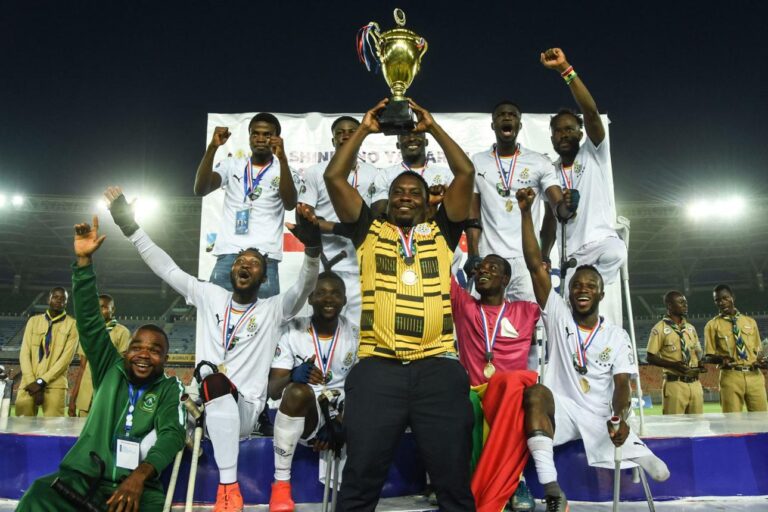
Ghana’s world title exposes the promise of African para-sport, while testing whether recognition can become lasting investment and equal opportunity.
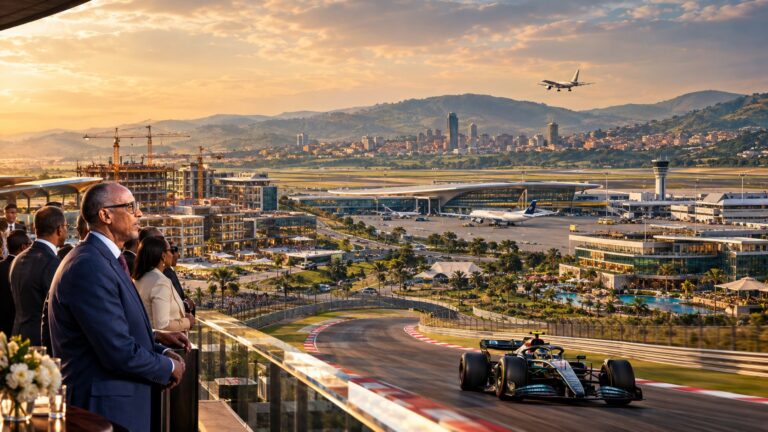
Rwanda’s Formula 1 ambition is about more than racing, it is a calculated attempt to turn Bugesera into Africa’s next investment and luxury destination.
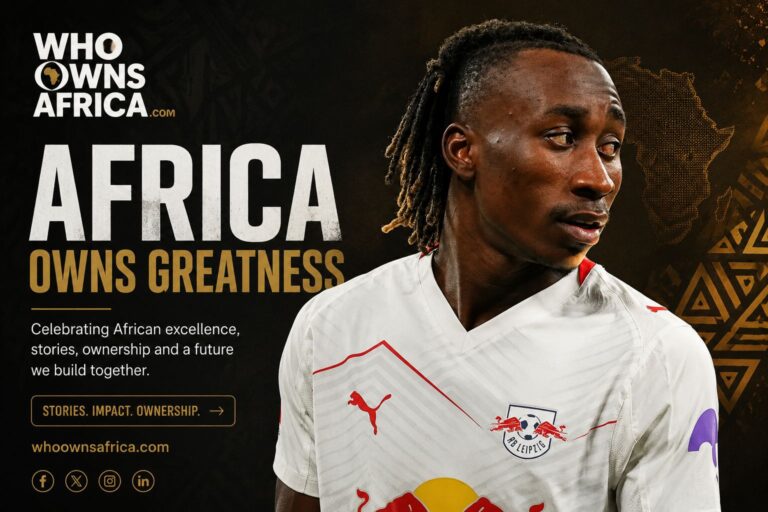
From dirt pitches in Abidjan to a record-breaking move to Real Madrid, the 19-year-old Ivorian winger has risen through football with remarkable speed, talent and resilience.
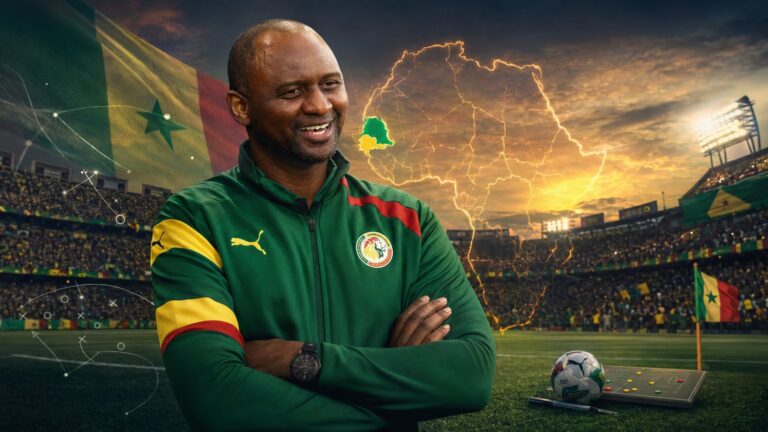
Dakar-born Vieira takes charge after World Cup disappointment, with Senegal targeting AFCON qualification and renewed continental success.
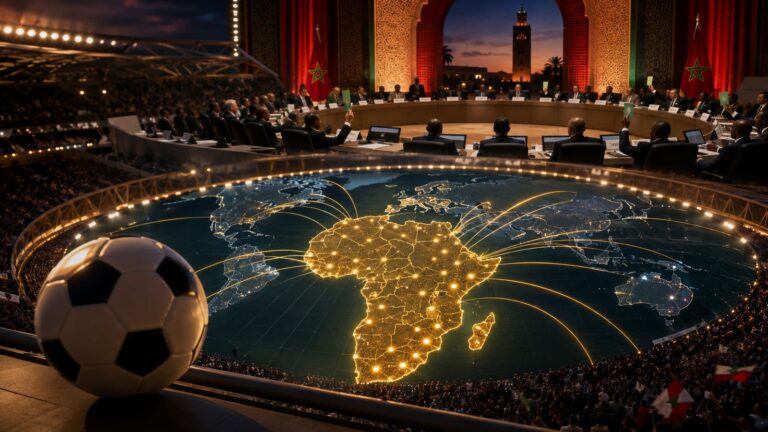
Africa's growing voting power is reshaping the balance between football, money and global politics.