

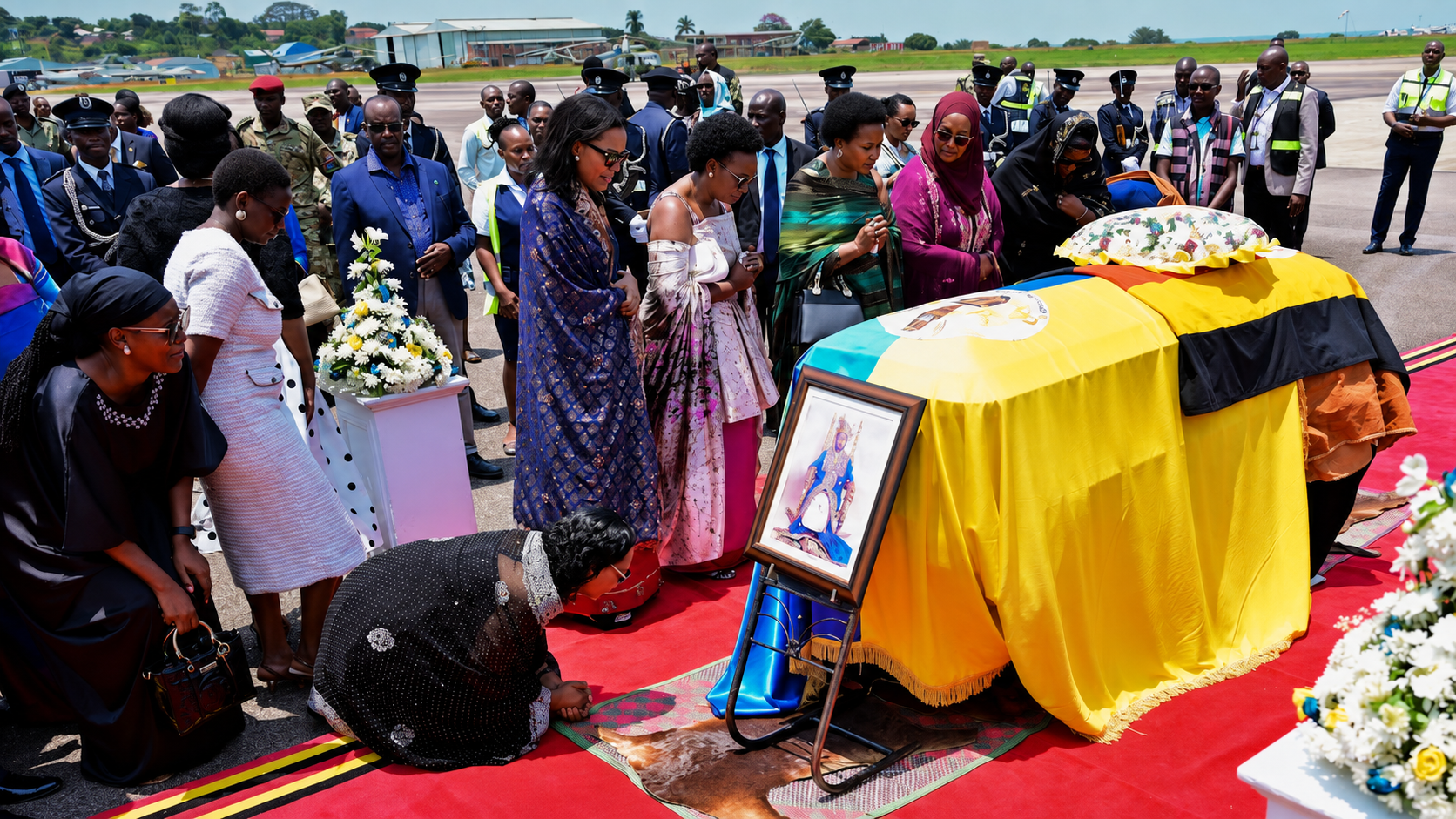
King Oyo Nyimba Kabamba Iguru Rukiidi IV, Uganda’s Tooro monarch who captured international attention after becoming king at just three years old, has returned home for burial after his death at 34.
His body arrived at Entebbe International Airport on Friday, September 4, where President Yoweri Museveni joined other dignitaries and members of the royal family to receive the late king. The arrival marked the beginning of an official period of mourning in Tooro Kingdom ahead of his burial on September 12.
For millions of people in western Uganda, the return of the king’s body was more than a ceremonial event. It was the final homecoming of a monarch whose unusual life story began in childhood and developed into a long association with culture, youth advocacy and the preservation of Tooro identity.
A king at three
King Oyo was born on April 16, 1992, and was the son of the late Omukama Patrick David Matthew Kaboyo Olimi III and Queen Mother Best Kemigisa. His life changed dramatically in August 1995 when his father died, leaving the three-year-old prince as the successor to the Tooro throne.
Oyo formally ascended the throne on September 12, 1995. His age made him an extraordinary figure far beyond Uganda, and he was widely recognised as the world’s youngest reigning monarch. Images from his early coronation became a lasting part of his public identity, showing a small child surrounded by royal robes and ceremonial symbols that appeared almost oversized against him.
Because he was a child, Oyo did not immediately exercise the full responsibilities of the monarchy himself. His early years as king were guided through a regency arrangement until he reached adulthood. He eventually assumed full duties as monarch when he turned 18 in 2010, beginning a new chapter in a reign that would ultimately last almost 31 years.
Tooro’s traditional institution
To understand King Oyo’s importance, it is necessary to understand the position of traditional kingdoms in modern Uganda.
Uganda is a constitutional republic in which political authority rests with elected institutions and the presidency. Traditional kingdoms do not exercise formal executive political power. Yet institutions such as Tooro retain substantial cultural and social influence, particularly among communities connected to their historic territories.
Tooro Kingdom is based in western Uganda, in an area close to the Rwenzori Mountains. The kingdom is one of Uganda’s historic monarchies and has remained an important symbol of identity for the Batooro people.
For Oyo, the crown therefore carried responsibilities that extended beyond royal ceremony. His role included representing the heritage and aspirations of his people while engaging with contemporary issues affecting young Ugandans and communities across the region.
Uganda’s traditional kingdoms were abolished after independence and later restored under the country’s political reforms in the 1990s. Their modern role is largely cultural, but their ceremonies, leadership structures and public initiatives continue to attract significant attention.
From boy king to public figure
As Oyo grew older, his public image gradually changed. The child who had once attracted global fascination became a young monarch involved in development and social initiatives.
The Tooro Kingdom says education, youth empowerment, health, environmental conservation and tourism were among the areas associated with his leadership. His official biography also records that he studied business management and sought to use his position to support development within the kingdom.
His influence extended beyond the borders of Tooro. In 2016, when he was 24, Oyo was recognised by UNAIDS as a cultural champion for HIV and AIDS among young people in Eastern and Southern Africa. He used the platform to encourage young people to take part in efforts to prevent HIV infections and to promote greater responsibility among men and women.
UNAIDS later described him as a respected voice for young people and praised his commitment to ending AIDS as a public health threat. In a tribute published after his death, the organisation said Oyo used his influence and position to advance efforts aimed at ending AIDS.
A monarch with a modern agenda
Oyo’s public role reflected a broader evolution among Africa’s traditional leaders. While their political powers may be limited, many have increasingly used their visibility to campaign on education, health, conservation, cultural preservation and youth development.
For Oyo, youth was particularly important. He had himself grown up under intense public attention after becoming king as a toddler, making his experience unusual even among traditional rulers.
His public engagements allowed him to move beyond the image of the child monarch and establish an identity of his own. By adulthood, he was no longer simply known for having inherited a throne at three. He was increasingly associated with initiatives involving young people, public health and the cultural future of Tooro.
That transition was significant because his reign covered a period in which Uganda itself was changing rapidly. The king inherited a centuries-old institution but grew into leadership during an era shaped by expanding communications, a youthful population and growing attention to development and public health.
Death in the United States
Oyo died on August 27 in the United States, where he had been receiving medical treatment. He was 34.
His death was announced by Tooro Kingdom Prime Minister Calvin Armstrong Rwomiire Akiiki, who said the continuity of the Crown was assured and that the king had left behind an heir. The announcement brought an outpouring of grief across Uganda and among people connected to the kingdom.
The circumstances of his illness had attracted attention before his death, but officials did not initially provide extensive public details. Reuters subsequently reported that the king died from cancer while undergoing treatment in the United States.
His relatively young age added to the shock. Oyo had spent almost his entire life associated with the Tooro throne, meaning that generations of Batooro had known no other reigning monarch.
A solemn return home
The arrival of Oyo’s body at Entebbe International Airport on September 4 was marked by a formal reception.
President Museveni was among the dignitaries present. The king’s casket was draped with Uganda’s national flag and the flag of Tooro Kingdom. Museveni placed a wreath on the casket before bowing in a gesture of respect. The body was subsequently transported by military helicopter to Tooro Kingdom, where mourning ceremonies are expected to continue until the burial.
The mood at the airport reflected the sense of disbelief among those who had followed Oyo’s life from his childhood accession.
Jennifer Mujungu, a lawmaker whose constituency lies within the kingdom, described the loss as difficult to accept. Members of the royal family also spoke of the pain of losing a young monarch who, in their view, still had much of his life ahead of him.
Questions over succession
Although Tooro officials have said the monarchy’s continuity is assured, Oyo’s death has also brought attention to the question of succession.
The kingdom’s prime minister said the late king had left an heir whose identity would be formally revealed in accordance with Tooro traditions. That announcement was intended to reassure the kingdom that the institution would continue despite the sudden loss of its monarch.
The succession process is expected to attract close attention because the Tooro monarchy is rooted in established royal traditions and clan structures. The identity and recognition of a successor will therefore be an important part of the kingdom’s transition following Oyo’s death.
For now, however, the focus remains on mourning.
A legacy beyond the crown
King Oyo’s legacy is likely to be defined by the unusual arc of his life. He entered history as a three-year-old who inherited one of Uganda’s most prominent traditional institutions and spent the rest of his life growing into that responsibility.
His story also illustrates the changing place of traditional leadership in contemporary Africa. Oyo held no constitutional political office, yet his position gave him a platform to influence conversations around culture, young people and public health.
His work with UNAIDS became one of the clearest examples of that wider role. The organisation’s tribute after his death highlighted his advocacy among young people and described his commitment to ending AIDS as a public health threat.
At home, official Ugandan institutions have also remembered him as a cultural leader who promoted education, youth empowerment, environmental conservation, health and tourism.
Uganda prepares to say goodbye
As Tooro prepares for the September 12 burial, the kingdom is confronting the end of one of the most recognisable chapters in its modern history.
Oyo’s reign lasted from childhood into adulthood, spanning political, social and technological changes in Uganda while maintaining the continuity of an institution older than the modern republic.
The image of the small boy beneath a large royal crown helped make King Oyo famous around the world. But his final legacy will rest on what followed that childhood moment: nearly three decades as the face of Tooro, a public advocate for young people and a custodian of a traditional institution whose influence remains deeply rooted in western Uganda.
His body has now returned to the kingdom he represented for most of his life. The ceremonies ahead will close the chapter on a reign that began with a three-year-old prince and ended with the death of a 34-year-old monarch remembered far beyond the borders of Tooro.

More from News
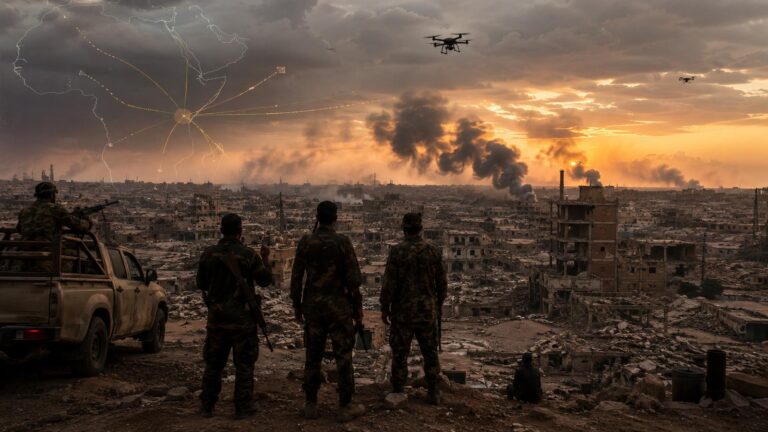
Foreign powers and mercenaries fueling Sudan’s war: Who is really influencing the conflict?
Sudan’s war is increasingly shaped by foreign weapons, drones, mercenaries and supply networks stretching across Africa, the Gulf and Latin America.
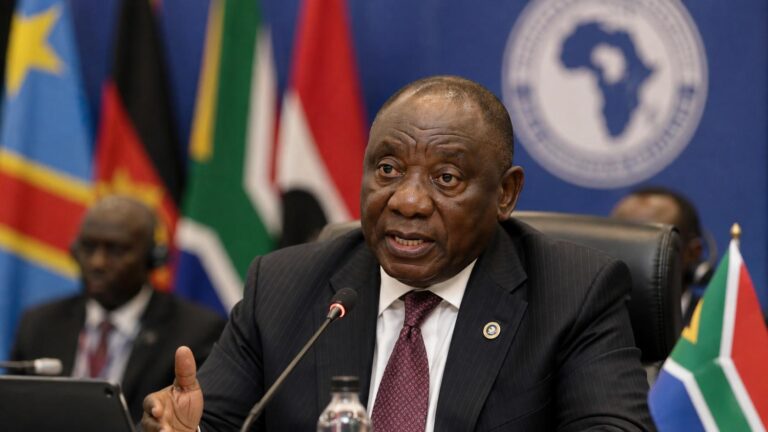
South Africa’s anti-migrant backlash puts SADC unity to the test
Ramaphosa urges Southern African leaders to cooperate on migration as protests and migrant departures expose regional tensions.
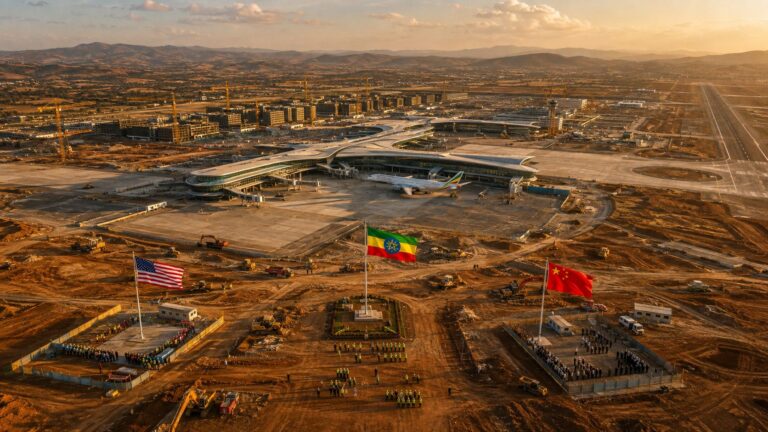
China and US face off over Ethiopia’s $12.5 billion mega-airport
Bishoftu airport is emerging as a strategic battleground where Chinese builders and American companies seek influence.