

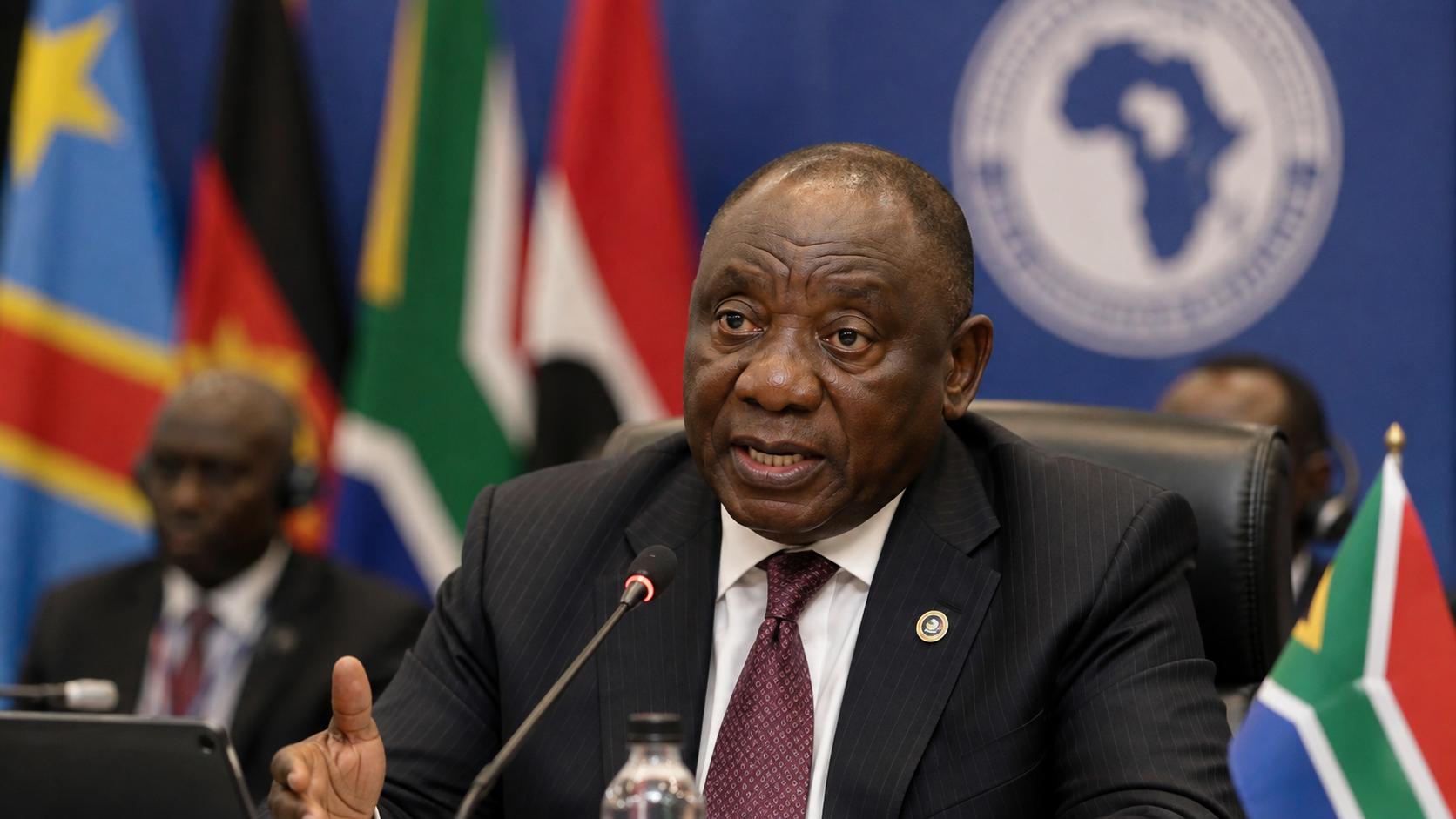
President Cyril Ramaphosa has called for regional cooperation on migration after weeks of anti-migrant protests exposed growing tensions over unemployment, border controls and the movement of people across Southern Africa.
Ramaphosa made the appeal as South Africa hosted the 16-member Southern African Development Community, or SADC, summit in Durban.
The meeting was meant to focus on regional development, industrialisation, infrastructure, agriculture and critical minerals.
But migration quickly became one of the most pressing issues facing the leaders.
South Africa is the region’s biggest economy and a major destination for migrants. Yet high unemployment and deep inequality have increased public anger over undocumented migration.
For Ramaphosa, the challenge is to address those concerns without allowing them to fuel violence or xenophobia.
“We thanked countries in our region for their understanding of the challenges that we faced and, in some respects, continue to face,” Ramaphosa said in his closing remarks.
“We also expressed regret at what has befallen us as a country. We expressed a wish that we should all work together to address the challenge of migration.”
Pressure on South Africa
Migration has long been part of Southern Africa’s economic and social landscape.
Workers move across borders in search of jobs. Traders depend on regional markets. Families often have relatives living in neighbouring countries.
South Africa’s economy has made it a particularly important destination.
But the country’s unemployment crisis has changed the political debate.
The official unemployment rate remains above 30%, while young people face even higher levels of joblessness. That has created fertile ground for political groups blaming migrants for competition over jobs and public services.
The government says some concerns are legitimate.
It has pointed to illegal entry, weak border controls, document fraud and employers who hire undocumented workers.
But Pretoria has also warned that immigration enforcement cannot be left to private citizens.
In June, Ramaphosa said only the state has the authority to enforce immigration laws. He warned against stopping people in the streets and demanding proof of nationality.
The distinction is important.
South Africa can tighten immigration controls while still protecting foreign nationals from discrimination and violence.
Protesters send a message
The political pressure was visible outside the SADC summit.
About 300 anti-migrant protesters marched towards the venue, calling on neighbouring governments to take back their citizens living in South Africa without legal status.
The protesters wanted leaders from countries such as Malawi, Mozambique and Zimbabwe to “fetch their people”.
Security forces closely monitored the demonstration. Police on horseback and motorcycles helped manage the crowd, while aerial surveillance was used around the summit area.
The protest was relatively small, but its timing was significant.
Inside the venue, Ramaphosa was asking neighbouring countries to work with South Africa on migration.
Outside, protesters were demanding that those same countries remove their citizens.
The contrast captured the political dilemma facing Pretoria.
Migrants leave South Africa
The unrest has had consequences far beyond the protests.
More than 176,000 foreign nationals have left South Africa in recent weeks, according to an AFP tally based on figures from the African governments involved.
Some returned voluntarily.
Others were deported or assisted through government repatriation programmes.
Citizens of Malawi, Mozambique and Zimbabwe made up a large share of those who departed.
The movement of so many people has turned South Africa’s domestic immigration debate into a regional issue.
Neighbouring governments must now deal with returning citizens, while South Africa faces questions about how it manages undocumented migration.
For families dependent on income earned in South Africa, the departures could also have economic consequences.
Remittances from migrant workers play an important role in many Southern African households.
The human cost
The dispute has also raised concerns about xenophobia.
At least four migrants were killed during the violence, according to South African police. Some foreign governments have said the number could be higher.
The deaths have renewed memories of previous xenophobic attacks in South Africa.
Ramaphosa has condemned discrimination and violence against foreign nationals.
At a public lecture held on the sidelines of the SADC summit, he said South Africa was “deeply concerned and ashamed” that nationals from other countries had faced discrimination and ill-treatment.
His comments were aimed at reassuring neighbouring governments.
They also reflected the growing diplomatic pressure on Pretoria.
Ghana and Nigeria, although not members of SADC, have criticised South Africa’s treatment of African migrants in the past.
The latest violence has again placed South Africa’s relationship with other African countries under scrutiny.
Why SADC matters
The migration dispute comes at a sensitive time for SADC.
The regional bloc is trying to strengthen economic integration and improve trade between member states.
That process depends on people being able to move, work and do business across borders.
Migration is therefore closely linked to regional development.
A worker from Zimbabwe may support a family at home with money earned in South Africa. A Mozambican trader may rely on South African markets. A Malawian worker may send income back to relatives every month.
These movements create economic links that cannot easily be separated from regional integration.
At the same time, governments have a responsibility to control their borders and enforce immigration laws.
The challenge is finding a balance.
A regional solution
South Africa has proposed an Africa-wide conference on migration.
The idea is to move the debate beyond individual countries and examine migration as a shared continental issue.
Such talks could cover border management, legal migration, deportations, labour rights and human trafficking.
They could also address the economic reasons people migrate.
Many people do not leave their home countries simply because they want to.
They move because jobs are scarce, wages are low or economic opportunities are limited.
Improving economic conditions in countries of origin could therefore reduce some of the pressure on destination countries such as South Africa.
That would require long-term investment in jobs, infrastructure and industrial development across the region.
The challenge for Ramaphosa
South Africa’s new role as SADC chair gives Ramaphosa an opportunity to shape that debate.
But it also puts him under greater scrutiny.
At home, he faces pressure to show that the government is serious about illegal migration.
Across the region, he must reassure neighbouring governments that South Africa will protect their citizens.
Those goals do not have to conflict.
Effective border controls can coexist with legal migration.
Strong immigration enforcement can also coexist with protection against xenophobia.
The bigger challenge is ensuring that government policy, policing and public messaging all maintain that distinction.
A test for African unity
The latest protests have exposed the difficult relationship between economic pressure and regional integration.
South Africa needs its neighbours for trade, labour and regional stability.
Its neighbours, in turn, benefit from access to South Africa’s economy and jobs.
That relationship makes cooperation essential.
The migration crisis could deepen divisions if governments respond only through stricter borders and political rhetoric.
But it could also become an opportunity for SADC to develop a more coordinated migration policy.
Such a policy would need to address illegal migration while creating clearer legal pathways for workers and traders.
It would also need stronger cooperation on documentation, border management and repatriation.
Most importantly, it would have to protect people from violence and discrimination.
What comes next
Ramaphosa ended the summit with a simple message: South Africa cannot address migration alone.
That may prove to be the most important lesson from the crisis.
The movement of people across Southern Africa is too deeply connected to jobs, trade and family livelihoods to be treated as a problem belonging to one country.
For SADC, the challenge is now to turn political concern into practical cooperation.
South Africa’s anti-migrant backlash has tested regional solidarity.
How SADC responds could determine whether the crisis becomes another source of division or the beginning of a more coordinated approach to migration across Southern Africa.

More from News

Does health insurance in Africa really matter?
Across the continent, insurance schemes promise protection from medical bills, yet most people still pay from their own pockets.
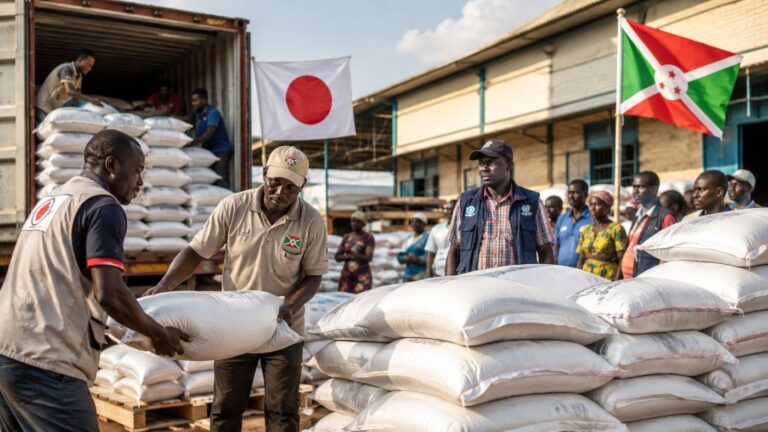
Japan sends 2,500 tonnes of rice to Burundi as food security takes centre stage
Japan’s rice donation to Burundi highlights growing food security pressures while deepening Tokyo’s development partnership with the East African nation.
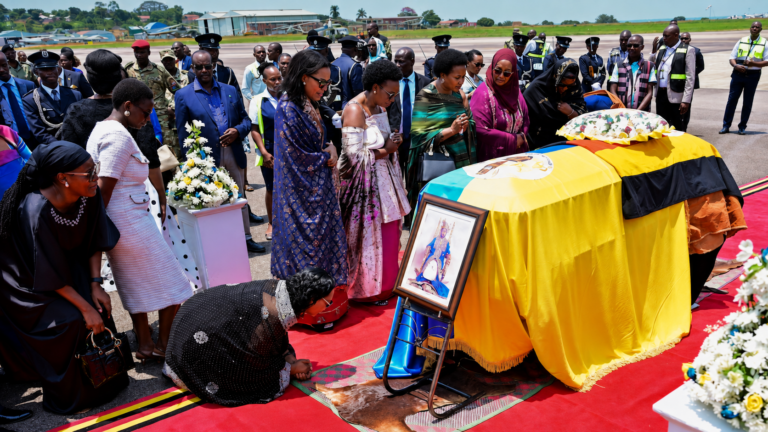
Who was King Oyo Nyimba? Uganda bids farewell to Tooro’s long-serving monarch
Uganda mourns King Oyo Nyimba, who became monarch at three and spent nearly three decades as a symbol of Tooro identity.