
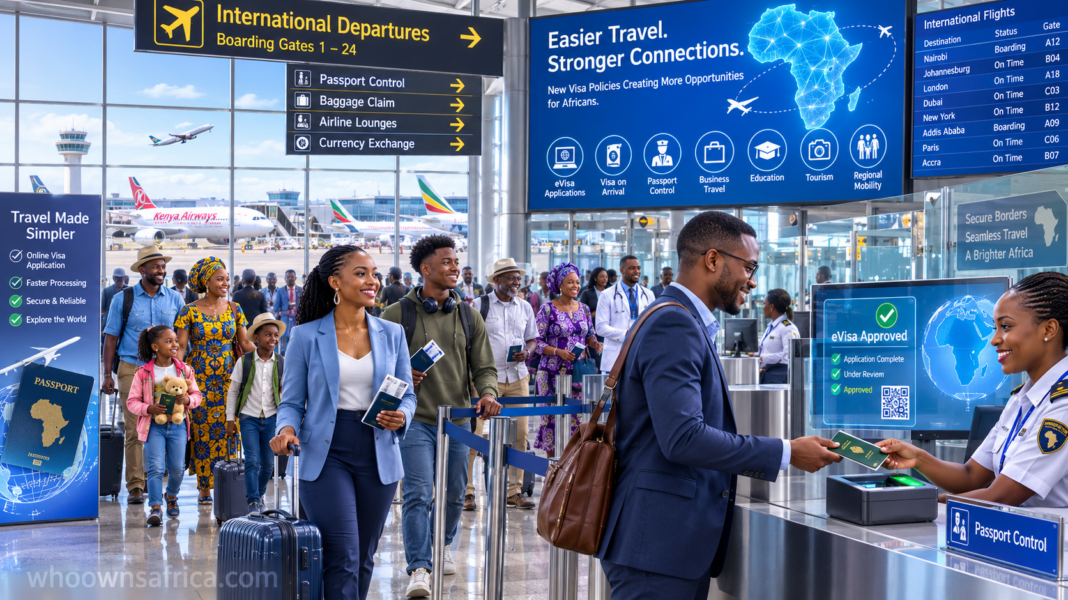

In recent years, governments across Africa and around the world have introduced significant changes to visa requirements, electronic application systems, border management, and travel agreements. Some countries have relaxed entry rules to attract visitors and investors. Others have tightened security measures or introduced new documentation requirements to improve border control.
These changes are reshaping how Africans travel within the continent and internationally. They are also influencing tourism revenues, airline networks, international trade, and labour mobility.
For many African travellers, understanding these developments has become increasingly important. Visa rules can change with little notice, and new digital systems are replacing traditional paper based applications in many destinations.
Africa Continues Moving Toward Easier Regional Travel
One of the most significant trends across Africa is the gradual effort to make travel within the continent simpler.
Regional organisations have long argued that reducing travel barriers can encourage trade, investment, tourism, and cooperation. Businesses benefit when executives can attend meetings without lengthy visa procedures. Students gain easier access to educational opportunities, while tourists can visit multiple destinations during a single journey.
Several African governments have expanded visa free access for citizens of neighbouring countries or introduced visas on arrival. Others have invested in electronic visa platforms that allow travellers to complete applications before departure.
Although progress differs from country to country, the overall direction points toward greater regional mobility.
Experts say that reducing unnecessary travel restrictions can strengthen the goals of the African Continental Free Trade Area by making it easier for entrepreneurs and professionals to move across borders.
Digital Visas Are Becoming the New Standard
Technology is transforming immigration systems around the world.
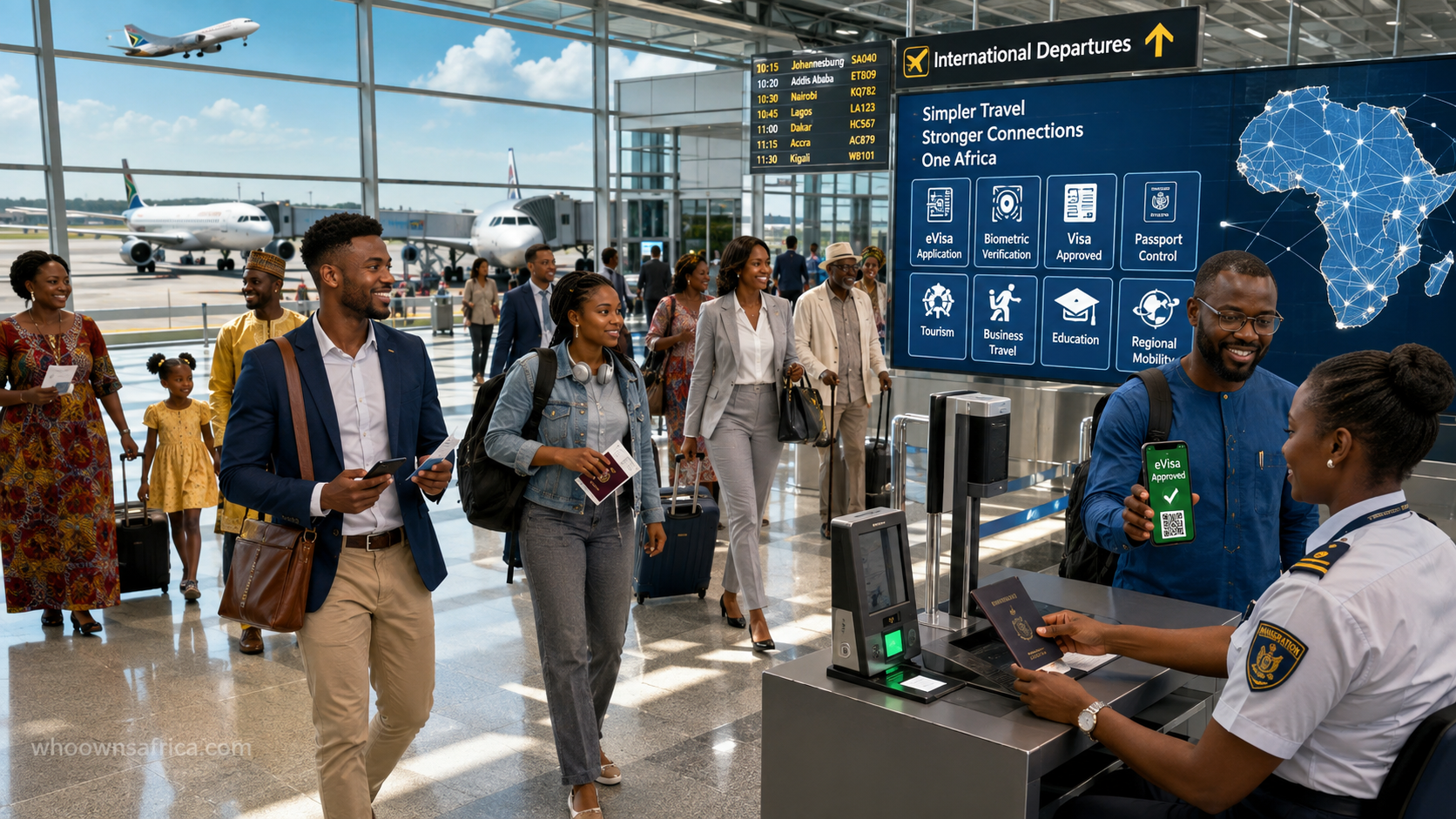
Many governments now allow travellers to submit applications online instead of visiting embassies or consulates. Electronic visas reduce paperwork, shorten waiting times, and improve communication between immigration authorities and applicants.
For African travellers, digital systems can make planning international trips more convenient. Applicants often upload passports, photographs, accommodation details, and travel itineraries through secure online portals.
Processing times vary depending on the destination, but electronic systems generally provide greater transparency by allowing applicants to track their progress.
However, digital visa systems also create challenges. Reliable internet access, online payment methods, and familiarity with digital platforms are not equally available across every region. Some travellers continue to rely on travel agencies or visa service providers to complete applications.
Governments are therefore working to balance technological innovation with accessibility.
Tourism Benefits from Simpler Entry Requirements
Tourism remains an important source of employment and foreign exchange for many African economies.
Countries that simplify entry requirements often become more attractive destinations for international visitors. Easier visa procedures can encourage longer stays, higher visitor numbers, and increased spending on accommodation, restaurants, transport, and local attractions.
Several African destinations have introduced visa free entry or visas on arrival for more nationalities as part of broader tourism strategies.
Industry experts note that reducing administrative barriers sends a positive message to international travellers who increasingly compare destinations based on convenience as well as attractions.
Improved connectivity through expanding airline networks also supports these efforts by making travel more accessible.
Tourism operators say predictable visa policies help visitors plan holidays with greater confidence, especially for family travel and organised tours.
Business Travel Continues to Evolve
Business travel across Africa is becoming increasingly important as companies expand into new markets.
Executives regularly travel to negotiate contracts, inspect investments, attend conferences, and establish regional partnerships.
Complex visa procedures can increase costs and delay important projects. Faster application systems and multiple entry visas help companies operate more efficiently across borders.
Governments seeking foreign investment often review immigration policies to ensure they remain competitive.
Simplified travel arrangements can encourage international investors to explore opportunities in manufacturing, technology, renewable energy, agriculture, mining, healthcare, and financial services.
Small businesses also benefit when entrepreneurs can attend trade exhibitions and meet suppliers without excessive administrative requirements.
Students Face Changing Documentation Requirements
 International education continues to attract thousands of African students each year.
Universities across Europe, North America, Asia, and other regions remain popular destinations for higher education, professional training, and research.
Student visa requirements are evolving to reflect changing immigration policies.
Applicants are increasingly required to demonstrate financial capacity, language proficiency, confirmed admission, accommodation arrangements, and health insurance before receiving visas.
Some countries have also introduced biometric verification and digital identity systems to strengthen immigration security.
Students planning overseas education should begin visa applications well before academic programmes begin because processing times can vary significantly.
Universities often provide guidance throughout the application process and help students understand changing immigration regulations.
Medical Travel Requires Careful Planning
Medical tourism continues to grow among Africans seeking specialised treatment unavailable in their home countries.
Patients often travel for advanced surgery, cancer treatment, fertility care, organ transplantation, or specialised diagnostic services.
Visa procedures for medical travel may require additional documentation, including hospital appointment letters, medical reports, financial guarantees, and confirmation of accommodation.
Some countries offer expedited processing for urgent medical cases, while others have introduced dedicated medical visa categories.
Patients are encouraged to consult healthcare providers and immigration authorities before making travel arrangements.
Proper planning helps avoid delays that could affect scheduled treatment.
Security Remains a Major Consideration
Governments continue balancing easier travel with stronger border security.
Many immigration authorities have expanded biometric screening, electronic passport verification, and advanced passenger information systems.
These measures aim to reduce identity fraud, human trafficking, organised crime, and illegal migration while facilitating legitimate travel.
Airlines also play an important role by verifying travel documentation before passengers board international flights.
Travellers should ensure passports remain valid for the required period and confirm destination entry requirements before departure.
Failure to meet documentation requirements can result in denied boarding or refusal of entry upon arrival.
Passport Strength Continues to Influence Travel
The number of destinations accessible without obtaining a traditional visa varies significantly among African passports.
Some passports provide relatively broad visa free access, while others require advance visas for most international destinations.
Passport rankings change regularly as governments negotiate new agreements or revise existing travel policies.
Diplomatic relations, security cooperation, and reciprocal arrangements often influence these decisions.
Experts caution that passport rankings represent only one measure of international mobility.
Travel costs, airline connectivity, financial resources, and documentation requirements also influence how easily individuals can travel internationally.
Airlines Adjust to Policy Changes
Airlines closely monitor visa regulations because travel policies directly affect passenger demand.
When governments simplify entry requirements, airlines often experience increased bookings on affected routes.
Conversely, stricter documentation rules can reduce demand or shift passenger preferences toward alternative destinations.
Several African airlines continue expanding regional networks to support growing business and leisure travel.
Improved connectivity helps strengthen trade, tourism, and investment while supporting broader economic development.
Modern airports are also investing in digital border processing technologies to improve passenger experience.
Diaspora Communities Remain Important
Millions of Africans live and work outside the continent while maintaining close family and business connections with their countries of origin.
Visa reforms influence how frequently diaspora communities can travel for family visits, investment opportunities, cultural events, and business activities.
Simplified entry procedures may encourage greater investment by overseas Africans interested in establishing businesses or purchasing property in their home countries.
Governments increasingly recognise the economic importance of diaspora engagement through dedicated investment programmes and streamlined travel initiatives.
The Growing Importance of Regional Integration
Regional economic communities continue promoting policies that encourage freer movement of people.
Supporters argue that reducing travel barriers strengthens labour markets, improves knowledge sharing, and creates opportunities for businesses across multiple sectors.
Professionals such as engineers, healthcare workers, academics, and technology specialists often contribute skills across borders when immigration systems allow efficient movement.
Regional integration also supports cultural exchange and strengthens cooperation among neighbouring countries.
Despite progress, differences in immigration systems continue to present challenges for travellers moving between jurisdictions.
Travellers Should Prepare Carefully
Visa policies can change quickly in response to security developments, diplomatic relations, public health concerns, or administrative reforms.
Travellers should confirm official requirements before purchasing airline tickets or making accommodation bookings.
Important considerations include passport validity, visa processing times, vaccination requirements where applicable, travel insurance, proof of financial resources, and return travel documentation.
Keeping digital and printed copies of important documents can help reduce complications during international journeys.
Careful preparation also helps travellers respond effectively if immigration officials request additional information.
Looking Ahead
Travel across Africa and between Africa and the rest of the world continues to evolve as governments modernise immigration systems and pursue economic growth.
Digital technology, regional cooperation, and expanding tourism are encouraging reforms that make legitimate travel more efficient while maintaining border security.
Businesses, students, tourists, healthcare patients, and diaspora communities all stand to benefit from transparent, predictable, and accessible visa systems.
Although challenges remain, the broader trend suggests continued efforts to simplify travel, encourage investment, and strengthen regional connectivity. As governments refine their immigration policies and adopt new technologies, African travellers are likely to experience greater opportunities to explore new destinations, build international partnerships, pursue education, and contribute to economic development both within the continent and globally.

