
10 Nutritious African Superfoods You Should Add to Your Diet Today
Africa is home to some of the world’s most nutrient-dense foods — many of which remain underappreciated despite their incredible health benefits. From the savannahs of West Africa to the highlands of East Africa, traditional ingredients have nourished communities for centuries. Here are 10 African superfoods that deserve a place on your plate.
1. Moringa (The Miracle Tree)
Moringa oleifera, widely cultivated across sub-Saharan Africa, is packed with vitamins A, C, and E, calcium, potassium, and protein. Just one tablespoon of dried moringa leaf powder contains significant amounts of iron and antioxidants. It is commonly used in soups, teas, and smoothies. Studies suggest moringa may help reduce inflammation and support blood sugar regulation, though more large-scale research is ongoing.
2. Baobab Fruit
Known as the “tree of life,” the baobab tree produces a fruit with a powdery pulp that is extraordinarily rich in vitamin C — offering up to six times more than oranges per 100 grams. Baobab powder also contains prebiotic fibre that supports gut health and helps maintain healthy blood sugar levels. It is widely available in markets across Southern, West, and East Africa.
3. Fonio (Ancient Grain)
Fonio is one of Africa’s oldest cultivated grains, popular in West African countries like Senegal, Guinea, and Mali. It is gluten-free and rich in essential amino acids, particularly methionine and cystine, which are often lacking in other grains. Fonio has a low glycaemic index, making it a smart choice for people managing blood sugar levels. It cooks quickly and has a mild, nutty flavour.
4. Tiger Nuts (Aya)
Despite their name, tiger nuts are not nuts at all — they are small root vegetables. Popular in Nigeria and across West Africa, tiger nuts are an excellent source of resistant starch, healthy fats, vitamins E and C, and minerals like magnesium and potassium. They are traditionally eaten raw, dried, or blended into a refreshing drink called kunu.
5. African Locust Beans (Dawadawa)
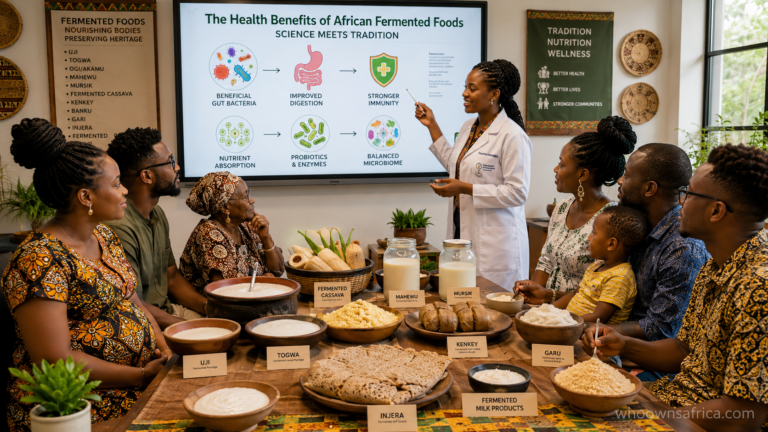
This fermented condiment, made from the seeds of the locust bean tree, is a staple flavouring in West African cuisine. Rich in protein, fat, calcium, and iron, dawadawa also contains beneficial bacteria from the fermentation process that may support gut health. It is used in soups and stews throughout Ghana, Nigeria, and Burkina Faso.
6. Sorghum
Sorghum is the fifth most important cereal crop globally and a dietary cornerstone across Africa. It is naturally gluten-free and rich in B vitamins, iron, zinc, and fibre. Sorghum’s antioxidant compounds — particularly tannins — may help reduce oxidative stress. It is used to make porridge, flatbreads, and traditional beverages like opaque beer.
7. Leafy Greens: Amaranth and Cowpea Leaves
Dark leafy greens such as amaranth (known as “alefu” in Kenya) and cowpea leaves are nutritional powerhouses consumed widely across the continent. They are rich in calcium, iron, folate, and vitamins A and K. Regular consumption of these greens is linked to improved bone health, eye health, and reduced risk of anaemia.
8. Black-Eyed Peas (Cowpeas)
A staple legume throughout Africa, black-eyed peas are an affordable and highly nutritious source of plant-based protein, dietary fibre, and folate. They are particularly valuable in regions where animal protein is limited. Regular consumption supports heart health, aids digestion, and helps maintain steady energy levels.
9. Red Palm Oil
Unrefined red palm oil, produced from the fruit of the oil palm tree, is rich in beta-carotene (a precursor to vitamin A), vitamin E (tocotrienols), and CoQ10. It has long been used in West and Central African cooking. While it should be consumed in moderation due to its saturated fat content, its micronutrient profile makes it nutritionally superior to many refined cooking oils.
10. Chia-Like Seeds: Sesame (Benne Seeds)
Sesame seeds have been cultivated in Africa for thousands of years. They are a rich source of healthy fats, protein, calcium, magnesium, and zinc. Regular intake is associated with reduced inflammation, better bone density, and improved heart health. Sesame is used in soups, stews, and as a cooking oil across many African countries.
How to Incorporate These Foods Into Your Daily Meals
The good news is that most of these superfoods are already part of traditional African cuisine — they simply need to be celebrated and consumed more intentionally. Consider:
- Adding moringa powder to your morning smoothie or tea
- Replacing refined grains with fonio or sorghum porridge at breakfast
- Including dark leafy greens in at least one meal per day
- Snacking on tiger nuts instead of processed snacks
- Using red palm oil in moderation for its micronutrient benefits
A diet rich in locally grown, traditional African foods is not only culturally meaningful but scientifically sound. These foods are often more affordable, fresher, and better adapted to local metabolisms than imported processed alternatives.
Disclaimer: This article is for general informational purposes only and does not constitute medical or dietary advice. Consult a registered dietitian or healthcare professional before making significant changes to your diet.