

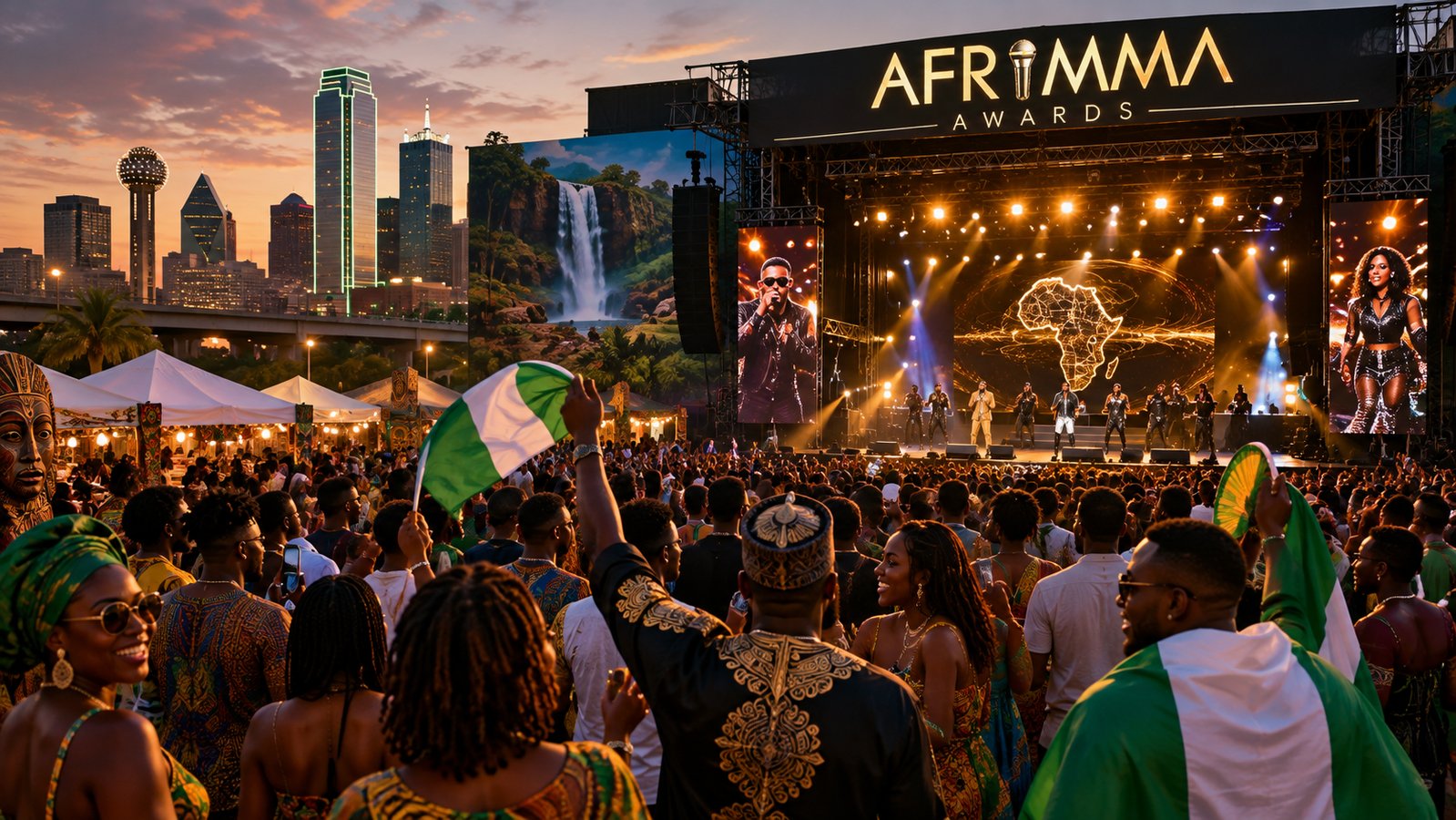
African music is increasingly becoming a gateway to a much larger commercial opportunity, and AFRIMMA 2026 in Dallas is offering a glimpse of how brands, tourism destinations and cultural businesses are positioning themselves to reach the African diaspora.
The African Muzik Magazine Awards festival, scheduled for Sept. 12 at Annette Strauss Square at the AT&T Performing Arts Center, is being built around music, food, fashion, culture and community, but its significance extends beyond entertainment. With an expected 5,000 attendees, more than 100 artists and DJs and representation from more than 40 African countries, AFRIMMA is creating a marketplace where African identity itself becomes part of the consumer proposition.
The development is particularly visible in the decision by Ikogosi Warm Springs Resort in Nigeria’s Ekiti State to become the official presenting sponsor of this year’s festival. The partnership gives the tourism destination a platform in front of African music audiences, diaspora consumers and international visitors in the United States. It also points to a wider shift in the African cultural economy. Music is no longer operating as a standalone export. It is increasingly being used to sell destinations, fashion, food, hospitality, experiences and investment opportunities.
AFRIMMA becomes a marketplace
AFRIMMA has spent more than a decade building a bridge between African artists and audiences outside the continent. The awards began in Dallas in 2014 and have developed into a platform connecting African music with diaspora communities and international audiences. Its 2026 festival is designed as a full cultural experience, with Afrobeats, Amapiano, Afro-fusion, hip-hop and other African sounds alongside food, fashion, games, vendors and cultural activities.
That format matters because cultural consumers rarely spend money on music alone. A festival attendee can buy a ticket, eat African food, purchase fashion, discover a tourism destination, follow an artist online, book a trip or share a brand experience with friends and family. For businesses targeting the diaspora, the value lies in that chain of activity.
AFRIMMA’s own figures suggest the scale of the opportunity. Organizers are promoting an audience of 5,000 people, more than 100 artists and DJs and participation connected to more than 40 African countries. Those figures are organizer estimates, but they illustrate why African brands increasingly view diaspora events as commercial platforms rather than simply cultural gatherings.
Why Dallas matters
Dallas is not an accidental location for this conversation. AFRIMMA has established the city as a recurring meeting point for African music and culture in the United States. The 2026 festival will take place in downtown Dallas, with the city’s tourism organization describing it as a family-friendly celebration of African music and culture featuring artists, food vendors, marketplace businesses, fashion, dance and cultural showcases.
The city also offers access to a broader American consumer market. For African companies, entering the United States can be expensive and difficult, particularly when they lack local distribution networks or established brand recognition. Diaspora events provide a different route. Instead of trying to reach the entire American market immediately, companies can begin with consumers who already have an emotional, cultural or family connection to Africa.
That connection can be commercially powerful. A Nigerian living in Texas may be interested in Nigerian music, but that same consumer may also have an interest in travelling to Nigeria, buying Nigerian fashion, eating Nigerian food or introducing their children to Nigerian culture. The commercial opportunity therefore sits at the intersection of identity and spending.
Ikogosi takes tourism to the diaspora
The Ikogosi partnership is one of the clearest examples of this strategy.
Ikogosi Warm Springs Resort and Conference Centre, located in Ekiti State, is using AFRIMMA to take its tourism message directly to an international African audience. Business A.M. reported this week that the resort is seeking to position itself as an international eco-tourism, leisure and meetings destination through the sponsorship. The Guardian also reported that the partnership is intended to promote Nigerian tourism and cultural attractions.
The timing is significant. AFRIMMA’s 2026 theme, “A Day in Africa,” places tourism alongside music, food, culture and entertainment. That creates a natural opening for a destination brand. Rather than presenting tourism as a separate industry, the festival allows a resort such as Ikogosi to attach travel to an emotional cultural experience.
For the diaspora, the message is straightforward: Africa is not only somewhere to consume culture from afar. It is also somewhere to visit.
That distinction is important for African tourism businesses competing for international visitors. A music fan who discovers a Nigerian destination through an artist or festival may represent a more engaged prospect than a consumer encountering a conventional tourism advertisement.
Music is becoming cultural infrastructure
The growing importance of events such as AFRIMMA reflects a broader transformation in the African music industry. African music has become a global cultural force, but the next stage of growth will depend increasingly on who owns the infrastructure around that popularity.
The question is no longer simply which artist has the biggest song. It is who controls the relationship with the audience after the song becomes popular.
That relationship can include ticketing, merchandise, advertising, streaming, tourism, hospitality, fashion, food, digital media and live experiences. It can also include data about audiences and consumer preferences. The companies able to connect those different parts of the ecosystem may capture considerably more value than those operating in only one category.
An African music business summit held in Lagos earlier this year similarly focused on ownership, investment, distribution, copyright and monetisation, highlighting the industry’s growing attention to the commercial structures behind African music’s international rise.
The diaspora is not one market
Yet businesses seeking to capture the African diaspora market face a basic challenge: there is no single African diaspora consumer.
African communities in the United States, Europe, the Caribbean and elsewhere have different national identities, languages, spending patterns and relationships with the continent. A Ghanaian consumer may respond differently to a Nigerian campaign. A second-generation African American may have a different relationship with African culture from someone who moved from Lagos or Nairobi five years ago.
That makes cultural credibility important.
AFRIMMA’s cross-country approach offers one response. Its programming brings together artists and audiences from different parts of Africa rather than building the event around one national market. The 2026 lineup includes artists such as BNXN, Ruger, Victony, Timaya, Juma Jux, Fally Ipupa, DJ Tunez and Marioo, reflecting the breadth of contemporary African popular music.
For brands, the lesson is that African identity can be a powerful umbrella, but successful campaigns still need local understanding.
Who owns the opportunity?
The title question therefore has a complicated answer.
No single company owns the African diaspora market. The opportunity is being contested by artists, streaming platforms, event organizers, tourism authorities, airlines, hotels, fashion labels, restaurants, media companies and consumer brands.
The companies with the strongest position may ultimately be those that understand the diaspora not merely as an audience but as a network.
AFRIMMA is an example of that network effect. Artists bring fans. Fans attract vendors. Vendors create commercial activity. Brands gain visibility. Tourism destinations gain exposure. Cities benefit from visitors and cultural activity. Media organizations gain stories and audiences. The ecosystem becomes larger than the festival itself.
That is why Ikogosi’s sponsorship is worth watching. The resort is not simply buying visibility at a music event. It is testing whether cultural relevance can translate into tourism demand.
From cultural pride to economic value
For Africa, this transition could have wider implications.
The continent has long exported cultural products while much of the commercial infrastructure surrounding those products remained outside Africa. African music’s global growth is beginning to challenge that model, but popularity alone does not guarantee ownership or economic value.
The next contest will involve who builds the businesses around African culture.
A festival in Dallas may appear, at first glance, to be about performances. But the presence of tourism brands, vendors, fashion businesses and cultural organizations suggests something broader. African culture is becoming an economic category with multiple revenue streams.
The opportunity is particularly important for African businesses looking to reach consumers abroad without abandoning their cultural identity. A tourism destination can sell an experience. A fashion company can sell heritage. A restaurant can sell memory and familiarity. A music platform can sell discovery. Each is using culture as an entry point into commerce.
The next African consumer frontier
AFRIMMA 2026 arrives at a moment when African music has already established a global audience. The question now is whether the wider African cultural economy can convert that attention into durable businesses.
The festival’s “A Day in Africa” concept captures that possibility. Music can bring the audience into the room, but food, fashion, tourism and commerce can determine what happens after they arrive.
For African brands, the diaspora may represent one of the most accessible international markets because the cultural connection already exists. But converting that connection into revenue requires more than nostalgia. It requires quality products, credible storytelling, reliable distribution and experiences that match the expectations of consumers living outside the continent.
That is where AFRIMMA’s importance extends beyond the stage.
On Sept. 12, thousands of people will gather in Dallas for African music and culture. For the businesses watching closely, however, the more important event may be taking place around the performances.
They will be testing a larger question: whether the global popularity of African culture can become a global African-owned economy.
And if AFRIMMA 2026 succeeds in bringing music, tourism, food, fashion and consumers into the same space, the answer may begin to look less like a question of who owns the diaspora market and more like a contest over who is prepared to build it.

More from Arts & Culture
Who owns Kenyan Hip-Hop? Inside the business behind Khaligraph Jones and Africa’s music economy
Khaligraph Jones shows how Kenyan hip-hop is evolving from recorded music into a diversified business built on audiences, brands, rights and live entertainment.