

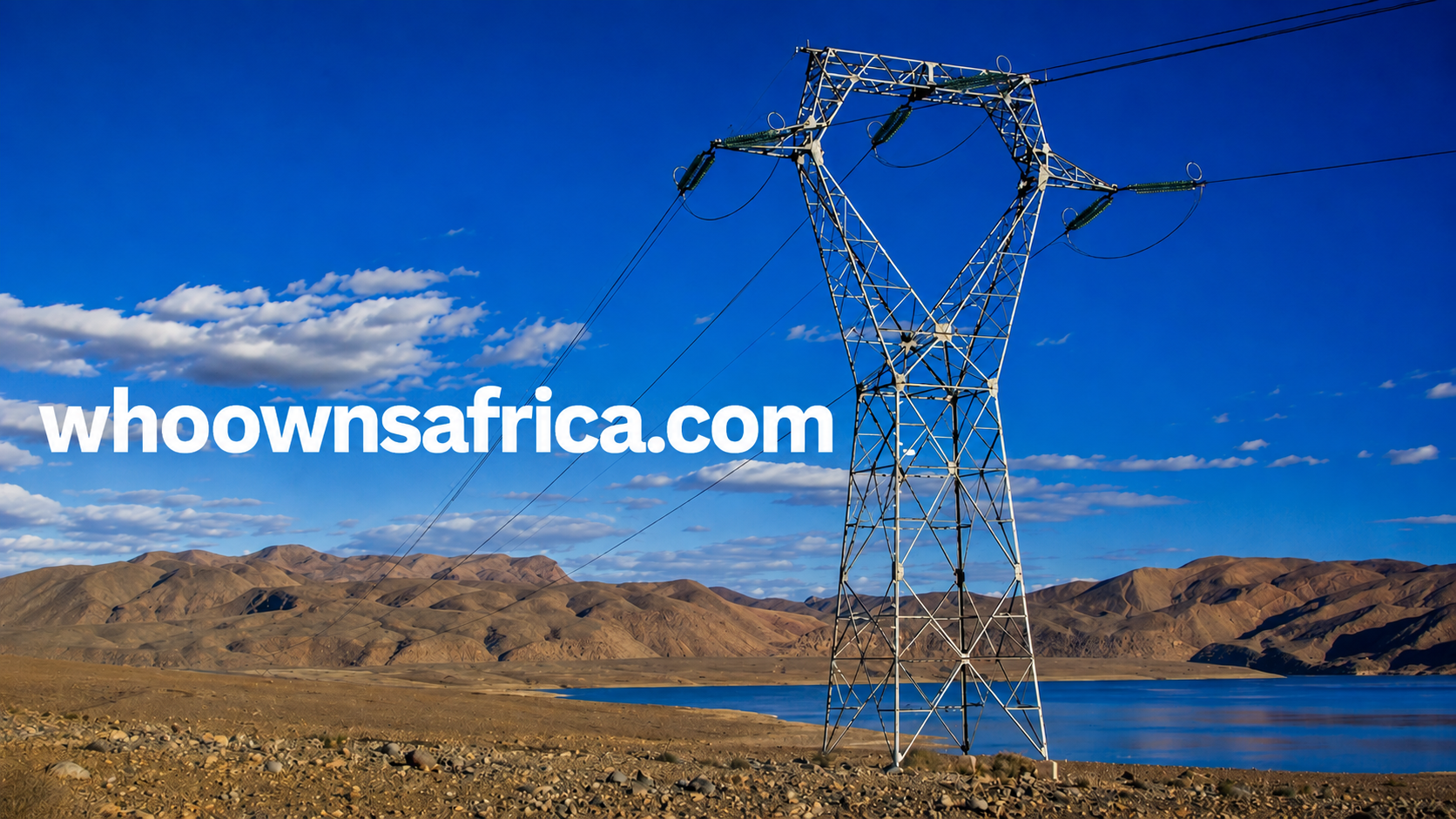
Energy is foundational infrastructure for every other dimension of economic activity. Africa’s energy sector has historically been characterized by dominant state-owned utilities, inadequate generation and transmission investment relative to demand, and widespread access deficits that have constrained economic development. A significant restructuring is underway, driven by the entry of independent power producers, renewable energy cost reductions, off-grid technology advances, and utility reform programs that are reshaping who produces, transmits, distributes, and pays for electricity across the continent.
State Utilities: The Historical Foundation
Vertically integrated state-owned utilities — responsible for electricity generation, transmission, and distribution within a country — have historically dominated most African electricity sectors. Many have faced chronic challenges: insufficient investment in generation and grid infrastructure, high technical and commercial losses in distribution systems reducing revenue, tariff structures not recovering the full cost of supply, and in some cases governance problems affecting operational efficiency and financial sustainability. The combination of these factors has produced persistent electricity deficits that manifest as load shedding and unreliable supply, imposing large costs on industrial and commercial users and limiting productive economic activity.
Independent Power Producers
Independent power producers — privately owned companies that build and operate generation capacity and sell power to state utilities or large consumers under power purchase agreements — have become an increasingly important source of new generation capacity across the continent. The model allows private capital and expertise into generation without requiring full utility privatization, since utilities typically remain responsible for transmission and distribution. Competitive procurement processes — standardized competitive tenders for power purchase agreements — have been used successfully in several countries to attract private investment in new capacity at lower cost than utility self-build, while risk allocation in purchase agreements provides the revenue certainty needed to secure project financing.
The Renewable Energy Revolution
Dramatic reductions in the cost of solar and wind power generation have been transformative for the business economics of independent power production in Africa. In many markets, solar photovoltaic power is now among the cheapest new generation capacity that can be built, competitive with or cheaper than new thermal generation. This cost reduction has driven a significant shift in new private power generation investment toward renewable technologies, and several countries have conducted competitive procurement programs specifically for renewable energy that have attracted substantial international investment and produced power purchase agreement prices that compare favorably with global benchmarks.
Power Purchase Agreements and Revenue Risk
The financial structure underpinning private generation investment typically centers on the power purchase agreement — a long-term contract between generator and offtaker specifying the price, volume, and conditions under which generated electricity will be purchased. These agreements provide the revenue certainty that independent power producers need to secure debt financing. The creditworthiness of the utility offtaker is therefore a critical determinant of investment attractiveness. In markets where utilities are financially distressed and payment arrears are common, this creates a significant barrier to new private investment and increases the risk premium investors require, ultimately raising the cost of electricity.
Electricity Market Reform
The dominant policy framework for electricity sector reform has involved some combination of unbundling integrated utilities into separate generation, transmission, and distribution entities; commercializing these entities to improve financial discipline; introducing independent regulation including tariff-setting; and opening generation to private investment. The pace and completeness of these reforms has varied enormously between countries, with some achieving significant improvements in access, reliability, and financial sustainability while others have found that structural reform without accompanying operational improvement produced limited practical benefit.
Mini-Grid and Off-Grid Businesses
A growing business ecosystem has developed around decentralized electricity access, with companies developing solar mini-grids serving rural communities and distributing solar home systems through pay-as-you-go financing models. These businesses range from small enterprises serving individual villages to companies operating portfolios of mini-grids across a country, backed by impact investment, development finance, and venture capital. The business economics remain challenging — rural revenue per customer is limited, upfront infrastructure costs are significant — but the sector has matured considerably over the past decade, with improving business models and growing investor confidence based on demonstrated operational track records.
Industrial and Commercial Self-Generation
The unreliability of grid electricity has driven widespread investment in captive self-generation by industrial and commercial businesses — diesel generators providing backup power, and increasingly solar installations with battery storage providing primary power for businesses seeking to reduce grid dependency and fuel costs. This large and growing self-generation market represents significant capital investment and ongoing fuel expenditure that would ideally be redirected into more productive economic activity if reliable grid electricity were available, representing both an opportunity for energy service companies and a policy challenge for utility financial sustainability.
Looking Ahead
Africa’s energy sector will continue evolving rapidly, driven by falling renewable energy costs, growing private sector participation, digital utility management systems, and increasing climate pressure to transition away from fossil fuel generation. The pace and equity of energy transition — ensuring access expansion reaches all communities — will depend significantly on policy framework quality, the financial sustainability of utility offtakers, and the availability of appropriate blended finance instruments that make investment viable in more challenging market segments.

More from Business

How Mr Eazi became a major shareholder in Ghana’s pharmaceutical industry
Nigerian musician Mr Eazi's investment firm Zagadat Capital has quietly built a major stake in a Ghanaian drug maker.

Who owns Africa’s new wealth? The companies and sectors creating the continent’s next billionaires
African governments are competing for global capital with tax incentives, but the bigger question is who will own the wealth created.
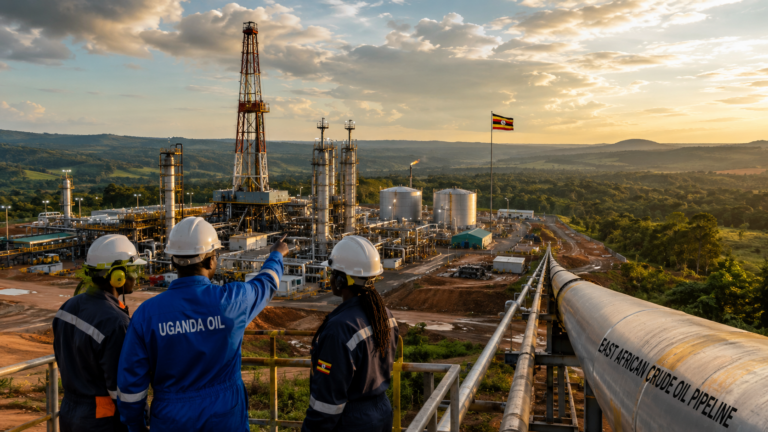
Uganda’s oil gets a name: “Pearl Sweet” as first oil draws near
Uganda’s long-awaited oil era is nearing reality, but questions remain over ownership, revenues, local benefits and who ultimately controls the wealth.