

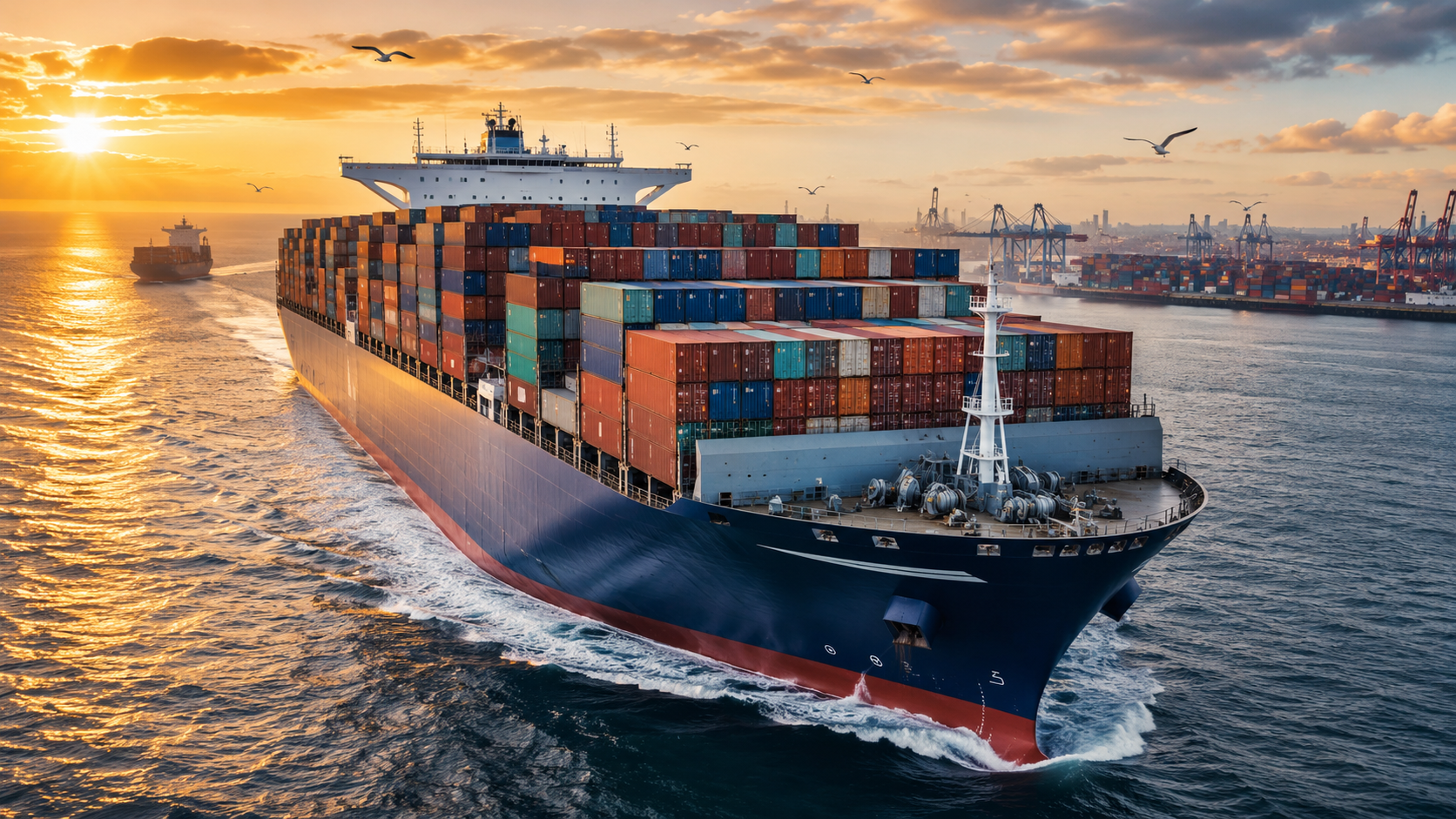
FCB Trading Global, an international commodities trading company marking its 75th anniversary, is seeking to expand its presence in Africa, Asia and the Middle East through a trading network centered on Brazilian agricultural exports, according to company materials reviewed by Who Owns Africa.
The company says its operations are supported by JNF Global Connection for Investment in Commercial Enterprises and Management Co. L.L.C., a United Arab Emirates-registered investment and management firm that presents itself as facilitating commercial relationships between producers, exporters and international buyers. The materials describe a trading structure spanning Brazil, the United Kingdom, China and the UAE.
FCB Trading Global says it has built its business around Brazilian agricultural exports, drawing on the country’s position as one of the world’s largest suppliers of sugar, coffee, soybeans, corn and beef. The company markets a portfolio that includes sugar, frozen meat, grains, vegetable oils, powdered milk and specialty coffee to customers across multiple regions.
According to the materials, FCB Holding Group Limited serves as the parent company within the network, alongside affiliated entities in Brazil, China and the UAE. The documents say the group combines sourcing, logistics and commercial management to support cross-border trade, while outlining plans to establish additional offices in Africa and Oceania. No timeline for those expansions is provided.
The profile identifies Brazil as the group’s principal supply base, citing the country’s large-scale agricultural production and export infrastructure as key advantages for international buyers.
The Transaction Process
The materials set out a fixed sequence buyers are expected to follow before a deal is concluded, moving from an initial expression of interest through to a binding purchase order.
- Letter of Intent. The prospective buyer opens the process by submitting a Letter of Intent, laying out the specific products sought, required volumes and grades, and the destination markets the goods are intended for. This document signals serious interest and gives FCB Trading Global the detail needed to prepare a formal response.
- Soft Corporate Offer. In response, the company issues a Soft Corporate Offer, an indicative commercial proposal covering pricing, quantities and terms based on the buyer’s stated requirements. It is presented as a starting point for negotiation rather than a final, binding commitment from either side.
- Irrevocable Corporate Purchase Order. Once terms are agreed, negotiations proceed to an Irrevocable Corporate Purchase Order, a binding commitment supported by financial documentation such as proof of funds or banking instruments confirming the buyer’s capacity to complete the purchase.
The company says adherence to this process is required for all transactions, regardless of product category or destination market, and the materials do not describe any exceptions or alternative routes to contract.
Product Ledger
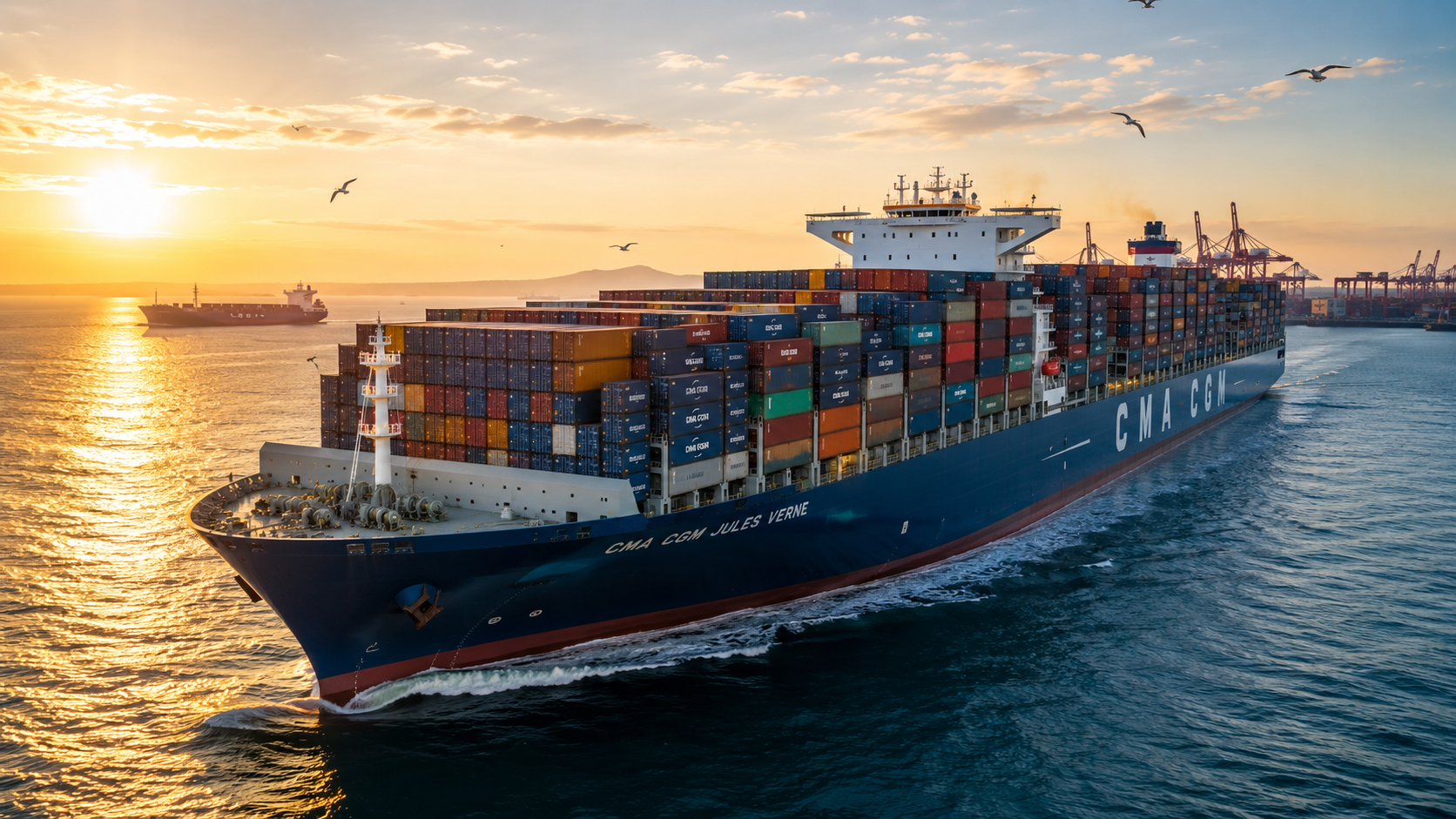 The portfolio spans sugar in ICUMSA 45, ICUMSA 150 and VHP grades, with ICUMSA 45 marketed as highly refined and VHP positioned for industrial refining; frozen beef, chicken and pork, with poultry lines halal certified; soybeans, corn and rice alongside soybean, sunflower, rapeseed and corn oil; powdered milk; and coffee marketed under the Penhasco brand, covering Arabica and Robusta beans in gourmet, organic and fair-trade varieties, plus roasted, capsule and single-serve drip formats.
The promotional materials reference several quality and compliance certifications, including ISO 9001, halal certification, inspection by SGS and standards linked to Brazilian specialty coffee production, along with frameworks associated with European Union and Chinese import requirements. They do not include certificate numbers or identify issuing authorities.
The documents portray Africa as a potential growth market, citing demand for Brazilian sugar, poultry, grains, vegetable oils and coffee — without naming target countries, local partners, or a timeline.
As it marks its 75th anniversary, FCB Trading Global says it aims to strengthen commercial links between Brazilian producers and buyers across emerging markets through its international network. The materials position the company as a facilitator of cross-border commodity trade, although the success of its expansion strategy will depend on securing commercial partnerships and meeting the regulatory and due diligence requirements of international buyers.

More from Investments
Seychelles turns to Saudi Arabia for new investment and tourism opportunities
Seychelles Vice-President Sebastien Pillay met Saudi Arabia's foreign minister in Riyadh to discuss stronger investment, tourism and bilateral economic ties.
Rwanda’s $400 million agriculture bet: Who will own the next food economy?
Rwanda’s agricultural investment surge is opening a new battle for ownership, capital, technology, processing capacity and Africa’s growing food economy.

Who will own South Africa’s railways? The private capital moving into transnet
Private operators, mining companies and global investors are entering Transnet, challenging traditional state control over South Africa’s strategic railway infrastructure.