

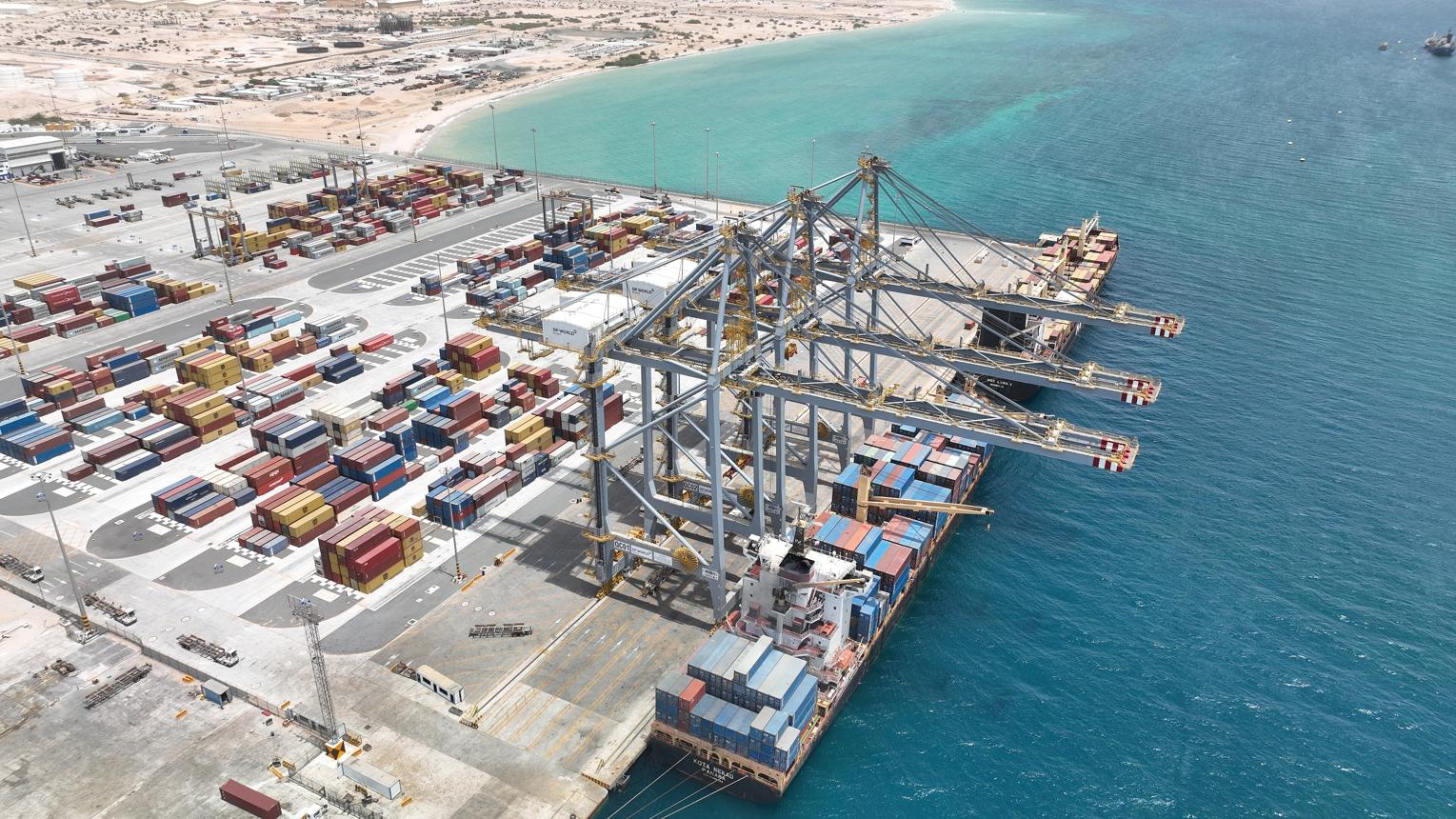
Somalia’s greatest political challenge may no longer be simply who governs Mogadishu, but who controls the country’s strategic territory, economic gateways and relationships with powerful foreign partners. As the federal government confronts the United Arab Emirates over port agreements and security arrangements involving Somaliland, Puntland and Jubaland, a deeper question is emerging: can a country exercise meaningful sovereignty when important regional administrations maintain their own international economic and security relationships?
The confrontation is about considerably more than diplomatic disagreements between Mogadishu and Abu Dhabi. It exposes the unresolved foundations of Somalia’s federal system, the economic importance of its coastline and the growing influence of external powers in a country whose institutions are still struggling to consolidate national authority.
At the centre of this dispute are three strategically important locations: Berbera, Bosaso and Kismayo. Each represents a commercial opportunity, a source of political influence and a potential instrument of regional autonomy.
The UAE’s involvement has made these relationships particularly significant. Its investments and security partnerships have created economic and strategic connections that cannot easily be separated from Somalia’s internal political divisions.
The question is not simply whether the UAE has too much influence in Somalia. It is why Somalia’s political structure has created opportunities for foreign governments and companies to negotiate with different centres of power in the first place.
The unfinished question of who governs Somalia
To understand the confrontation, it is necessary to look beyond individual political leaders and examine the country’s unfinished federal settlement.
Somalia adopted a provisional constitution in 2012, establishing a federal system intended to rebuild national institutions after decades of civil conflict and state collapse. The arrangement recognised a central government alongside federal member states, with responsibilities distributed across different levels of administration.
The system was designed to accommodate local political realities while gradually rebuilding national unity. However, important questions about the division of powers, revenue collection, natural resources and relations between federal and regional authorities remained unresolved.
The consequences are increasingly visible.
Somalia’s internationally recognised Federal Government, based in Mogadishu, exercises authority over national diplomacy and federal institutions. However, its ability to implement decisions throughout the country is constrained by the political independence, security arrangements and economic resources of regional administrations.
This is more than an administrative problem. It creates competing economic interests and gives regional governments incentives to protect their own revenue streams.
Mogadishu wants stronger national institutions. Regional administrations want guarantees that greater centralisation will not undermine their autonomy. Foreign investors, meanwhile, want predictable agreements and authorities capable of protecting their investments.
These competing priorities have created the political environment in which the UAE has expanded its relationships.
Somaliland and the strategic importance of Berbera
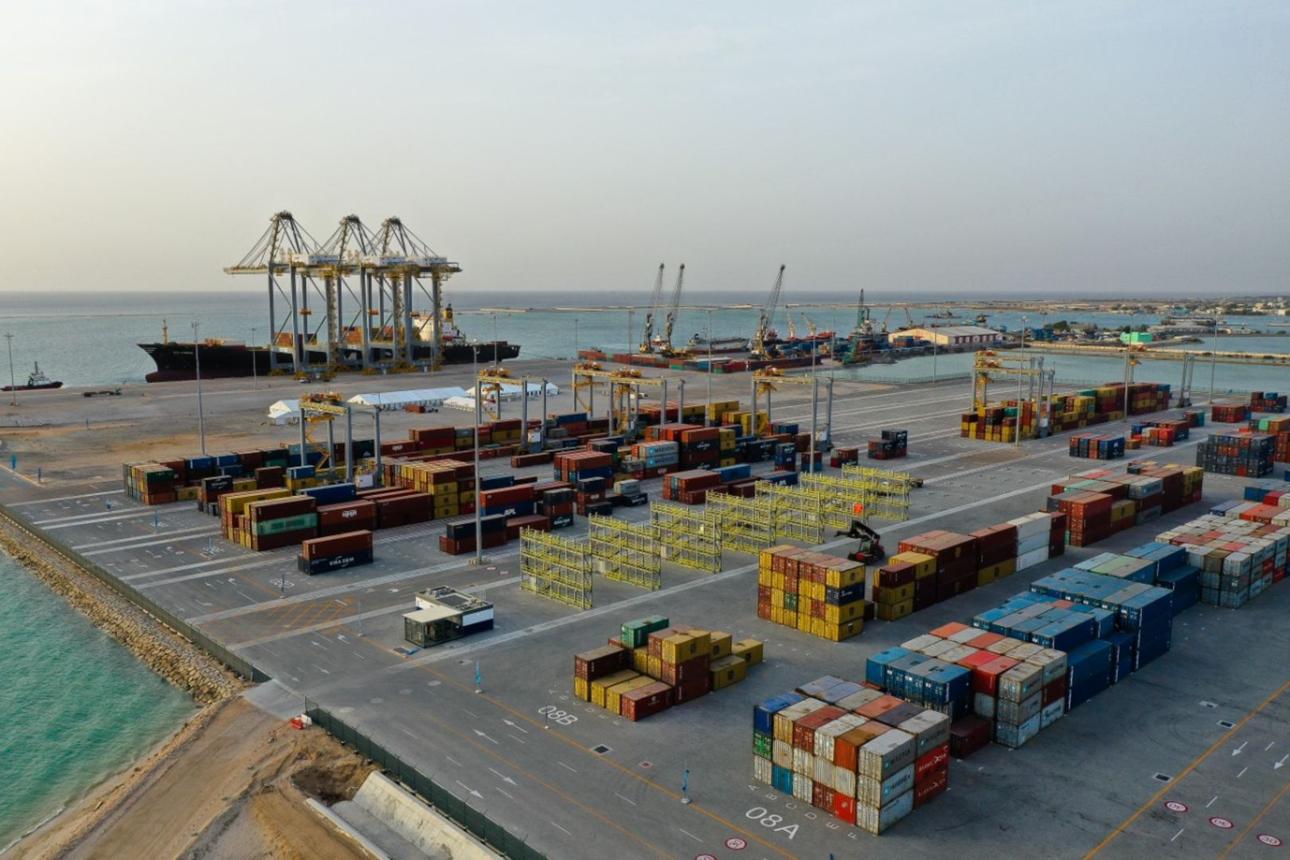
Of the three regional relationships, the UAE’s involvement in Somaliland is particularly significant.
Somaliland declared independence from Somalia in 1991 following the collapse of the central government. It has maintained its own administration, security institutions, currency and political structures. However, it has historically lacked broad international recognition as an independent sovereign state.
For Mogadishu, Somaliland remains part of the Federal Republic of Somalia. For Somaliland’s leadership, its political future is based on a claim to separate statehood.
This disagreement has made international commercial relationships particularly sensitive.
In 2016, Dubai-based DP World secured a 30-year concession, with an automatic 10-year extension, to manage and develop the Port of Berbera. The proposed investment was valued at up to $442 million, to be implemented in phases.
Berbera occupies a strategically valuable position along the Gulf of Aden, close to major international shipping routes connecting the Indian Ocean, the Red Sea and the Suez Canal.
It also offers Ethiopia, a landlocked country with substantial import requirements, an alternative potential trade corridor.
The economic implications are considerable.
A modernised Berbera could strengthen Somaliland’s commercial position, attract logistics companies, generate employment and expand its ability to negotiate with neighbouring countries.
For the UAE, the investment offers access to a strategically positioned maritime gateway and strengthens its commercial presence in the Horn of Africa.
But the political implications are more complicated.
Every major infrastructure project that strengthens Somaliland’s ability to operate independently also raises questions about the relationship between its administration and Mogadishu.
This does not mean that commercial investment automatically translates into diplomatic recognition. Nor does it establish that every UAE investment is intended to undermine Somalia’s territorial integrity.
However, infrastructure can create political leverage even when investors describe their objectives in purely commercial terms.
The more Somaliland’s economy becomes connected to international shipping, finance and regional trade independently of Mogadishu, the more difficult it becomes for Somalia’s federal authorities to exercise influence over its northern territories.
Berbera is therefore both an economic development project and a symbol of the unresolved Somali national question.
Puntland: When economic autonomy becomes political power
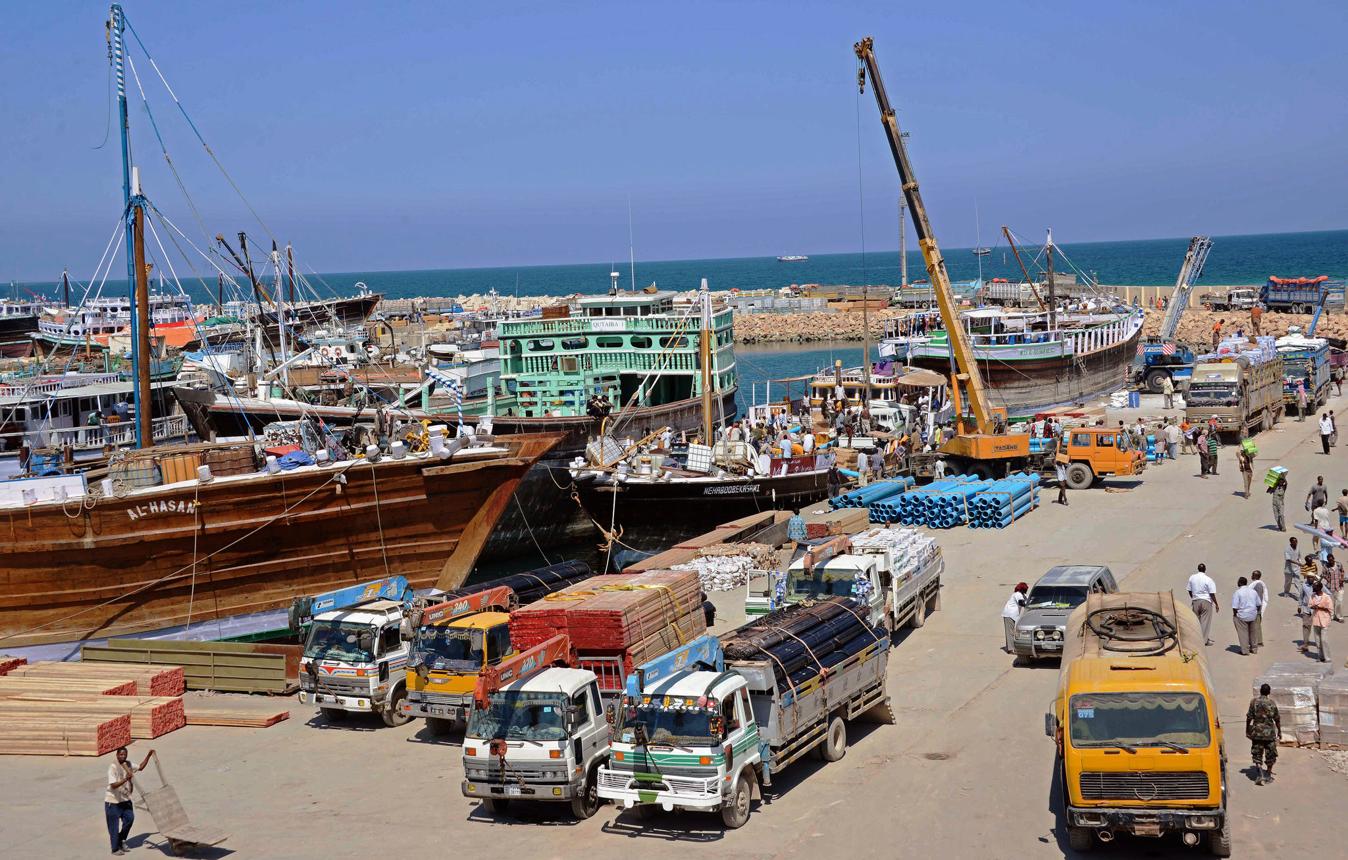
Puntland presents a different political situation.
Unlike Somaliland, Puntland has historically described itself as an autonomous constituent state within a united Somalia rather than an independent country.
Established in 1998, it developed regional institutions and security structures while participating, at different times, in negotiations over Somalia’s federal system.
Its relationship with Mogadishu has nevertheless experienced repeated disagreements over constitutional reforms, elections, resource distribution and the extent of federal authority.
The UAE’s commercial involvement in Puntland became particularly significant in 2017, when Dubai-based P&O Ports secured a 30-year concession to develop and manage Bosaso port.
The announced investment was approximately $336 million, covering port expansion, infrastructure and modern cargo-handling facilities.
Bosaso’s location gives it importance beyond Puntland’s immediate economy. The port connects commercial activity across the Gulf of Aden and offers access to maritime routes linking the Arabian Peninsula with East Africa.
For Puntland, investment in Bosaso creates the possibility of greater trade, improved infrastructure and stronger regional economic independence.
It also provides the administration with an important economic asset in negotiations with Mogadishu.
When a regional government controls a commercially valuable port and receives investment through direct relationships with foreign companies, its financial position becomes less dependent on transfers from the federal government.
That independence can strengthen local governance, but it can also weaken the incentives for political compromise.
The more important question is how regional economic autonomy should operate within a functioning federal state.
Jubaland: Another centre of influence
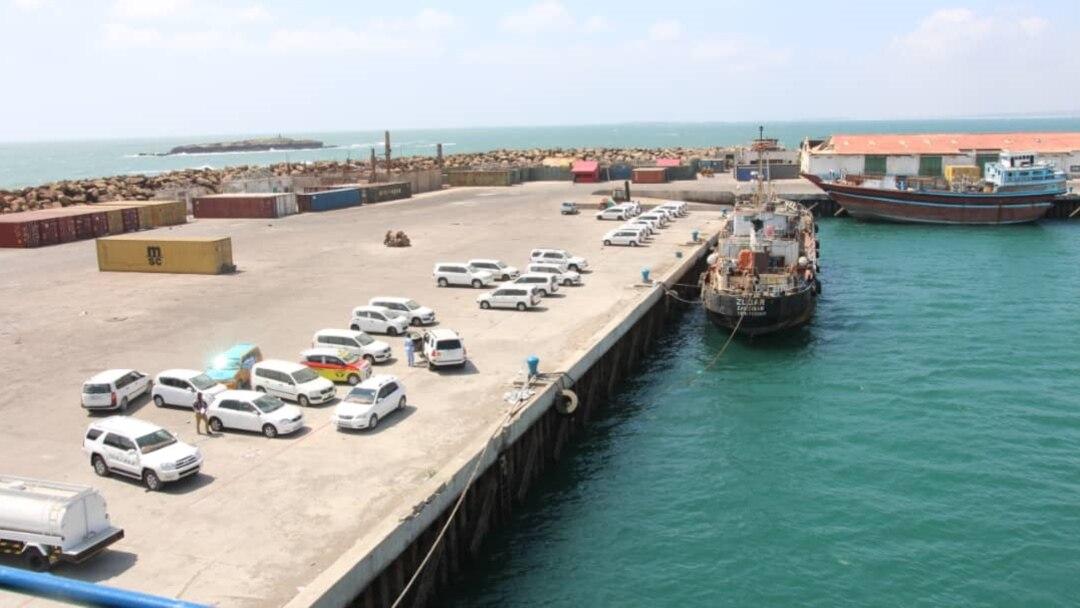
Jubaland adds another dimension to the problem.
Located in southern Somalia, Jubaland is strategically important because of its coastline, proximity to Kenya and access to commercial routes across the Indian Ocean.
Its principal port, Kismayo, has economic and security importance extending beyond the regional administration.
The port provides access to trade, fishing and maritime activity while serving a region whose political stability is closely connected to Somalia’s wider security environment.
Jubaland’s leadership has maintained a complicated relationship with Mogadishu, particularly over elections, constitutional authority and the political legitimacy of regional leadership.
Its ties with external partners, including the UAE, therefore exist within a broader struggle over the balance of power between the federal government and regional administrations.
For foreign governments, relationships with regional leaders can offer practical advantages. They provide access to local authorities, security partners and economic opportunities without necessarily having to wait for negotiations with the federal government.
For Mogadishu, however, such arrangements risk creating competing centres of authority.
The result is a political structure in which the same territory can become the subject of different understandings of authority, depending on whether the issue concerns local administration, international investment or national sovereignty.
The UAE’s strategy: Investment, security and influence
The UAE’s involvement in Somalia should be understood within its broader economic and geopolitical ambitions in the Horn of Africa.
The region occupies a strategically important position between the Arabian Peninsula, the Indian Ocean and the Red Sea.
International shipping routes, energy security, access to emerging markets and regional security have made the Horn increasingly important to Gulf countries.
The UAE has pursued relationships across the region through port investments, logistics infrastructure, commercial partnerships and security cooperation.
Its involvement in Somalia reflects this wider approach.
Ports such as Berbera and Bosaso provide commercial opportunities, while relationships with regional administrations create access to political actors with influence over strategically important territory.
Security cooperation adds another layer.
The UAE has historically supported Somali security forces through training, funding and logistical assistance. Its security involvement has included support for Somali military and police personnel.
Such assistance has been important in a country confronting the persistent threat of Al-Shabaab.
However, security partnerships can become politically controversial when funding, training or operational arrangements involve forces outside a unified national command structure.
Mogadishu argues that parallel security arrangements undermine national sovereignty and weaken the coherence of Somalia’s armed forces.
The UAE has rejected accusations of interference, arguing that Somalia is drawing it into internal political disputes.
There is an important distinction here: foreign investment and security cooperation are not inherently violations of sovereignty. The question is whether agreements are legally authorised, transparent and consistent with the constitutional responsibilities of the Somali state.
That distinction is essential to understanding the dispute.
January 2026: Mogadishu draws a line
The confrontation reached a major turning point on January 12, 2026.
Somalia’s Council of Ministers announced that it was cancelling all agreements with the UAE, including arrangements involving Berbera, Bosaso and Kismayo, as well as bilateral security and defence cooperation.
The government said the decision was necessary to protect Somalia’s sovereignty, territorial integrity and national unity.
The announcement challenged the legitimacy of agreements that had developed over several years between Emirati-linked entities and regional administrations.
However, cancelling agreements at the federal level does not automatically settle the legal and practical questions surrounding existing commercial concessions.
The regional administrations rejected Mogadishu’s authority to cancel agreements involving their territories.
This exposed a fundamental constitutional disagreement: who has the final authority to negotiate and approve strategic commercial arrangements within Somalia?
The dispute subsequently escalated.
On November 19, 2026, Somalia ordered the UAE ambassador to leave within 72 hours and recalled its own envoy from Abu Dhabi.
The move followed accusations by President Hassan Sheikh Mohamud that the UAE was supporting regional administrations and armed forces outside federal control.
The UAE rejected Somalia’s accusations and condemned the diplomatic measures. It also said it had closed its embassy in Mogadishu and withdrawn diplomatic personnel in January following the earlier dispute.
The latest confrontation has moved beyond individual port contracts. It now concerns the political legitimacy of regional partnerships, the command of security forces and the authority of Somalia’s internationally recognised government.
Who actually controls Somalia’s economic institutions?
The question of who controls Somalia becomes clearer when political authority is separated from practical economic influence.
Mogadishu possesses international diplomatic recognition and the authority of the federal government. It represents Somalia in international institutions and claims constitutional responsibility for national affairs.
However, practical economic power is more dispersed.
Regional governments exercise influence over local administration, taxation, security and infrastructure. Commercial operators manage important port facilities. Foreign investors supply capital, technology and international business connections.
This creates a complicated network of influence.
The Federal Government controls national diplomacy and federal institutions. Somaliland maintains its own administration and exercises authority over Berbera. Puntland has regional institutions and influence over Bosaso. Jubaland exercises regional political authority around Kismayo. UAE-linked investors bring capital and commercial expertise.
The distinction is important: controlling a strategic economic asset is not the same as possessing internationally recognised sovereignty.
Nevertheless, economic influence can translate into political bargaining power.
A regional administration that generates revenue through a commercially important port has greater room to resist pressure from the centre.
A foreign investor with long-term infrastructure agreements also has an interest in maintaining relationships with the authority that protects its operations.
The federal government may therefore possess formal sovereignty while facing practical limitations in exercising it.
This is one of the central contradictions of Somalia’s political system.
The wider geopolitical contest in the Horn of Africa
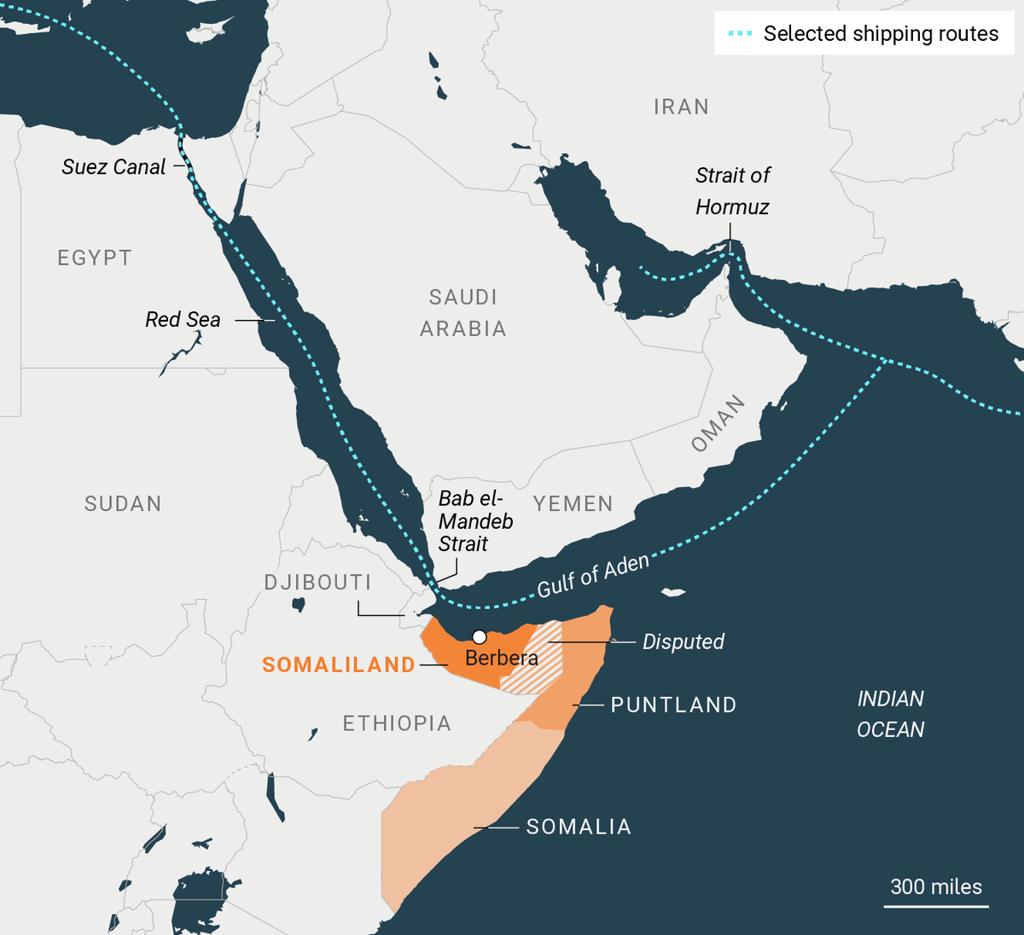
Somalia’s internal political divisions cannot be understood in isolation from the strategic competition surrounding the Horn of Africa.
The coastline connects some of the world’s most important maritime routes. The Gulf of Aden provides access to the Red Sea and the Suez Canal, while the wider region links Africa, the Middle East and Asia.
For countries seeking influence over international trade and maritime security, relationships with coastal administrations are strategically valuable.
The UAE is not the only external actor interested in this geography.
Turkey has developed a substantial political, economic and security relationship with Somalia, including its military training presence in Mogadishu.
Ethiopia has a strong interest in securing reliable access to the sea because of its landlocked position.
Egypt has also become increasingly engaged in the Horn of Africa, particularly through its security and diplomatic relationship with Somalia.
Saudi Arabia and other Gulf countries have interests in regional stability and maritime security.
These relationships create opportunities for Somalia, but they also increase the possibility that internal political divisions will become connected to wider geopolitical rivalries.
The danger is that Somali administrations may find themselves competing for foreign support rather than negotiating a common national strategy.
A foreign partner may obtain access to infrastructure, security cooperation or commercial opportunities. A regional administration may receive investment or diplomatic attention. But the long-term national cost could be the further fragmentation of state authority.
Somalia must therefore avoid becoming an arena in which external powers pursue competing interests through separate domestic partners.
Sovereignty is more than international recognition
One of the most important lessons from Somalia’s experience is that sovereignty cannot be measured exclusively by diplomatic recognition.
A country can possess a seat at the United Nations and still struggle to exercise authority across its territory.
It can have a recognised constitution but lack agreement among its political leaders about how that constitution should operate.
It can maintain national armed forces while regional security structures remain politically divided.
Somalia’s challenge is to close the gap between legal sovereignty and practical sovereignty.
This requires more than confronting foreign governments.
It requires establishing a domestic political settlement that clearly defines the responsibilities of federal and regional administrations.
The federal government must be able to demonstrate that national institutions are legitimate, accountable and capable of delivering services.
Regional administrations must have confidence that cooperation with Mogadishu will not result in the arbitrary removal of their constitutional responsibilities or economic resources.
Foreign governments and companies must also recognise that long-term stability depends on transparent agreements and a clear legal framework.
There is little value in defending national sovereignty through political declarations while leaving the underlying institutional disagreements unresolved.
The economic opportunities Somalia risks losing
There is another side to this confrontation that deserves attention.
Somalia desperately needs infrastructure investment.
Its ports, transport networks, electricity systems, industrial facilities and financial institutions require capital and modernisation.
The country’s geographic position offers substantial opportunities to become a regional logistics and trade centre.
Berbera, Bosaso and Kismayo could contribute to a connected national maritime economy if their development formed part of a coherent economic strategy.
Rather than treating the ports as competing political assets, Somalia could develop a coordinated maritime framework.
Berbera could serve northern trade corridors, Bosaso could strengthen connections across the Gulf of Aden, and Kismayo could support commercial activity in southern Somalia.
Such a strategy would require cooperation between federal authorities, regional governments, private investors and neighbouring countries.
It would also require transparent concession agreements, fair revenue distribution, environmental safeguards and public accountability.
The economic cost of prolonged political confrontation could be substantial.
Investors value predictable regulations, enforceable contracts and political stability. When competing administrations dispute the legitimacy of agreements, uncertainty increases.
Long-term investment decisions become more difficult, financing becomes more expensive and infrastructure development risks becoming hostage to political negotiations.
Somalia cannot afford to turn every strategic investment into a constitutional confrontation.
Equally, it cannot afford to accept foreign partnerships that bypass legitimate national institutions.
The challenge is to find a framework that protects both economic development and national sovereignty.
What Somalia must do next
Somalia’s immediate priority should be to transform the current diplomatic confrontation into an opportunity for institutional reform.
There are several steps that could help achieve this.
First, the federal government and regional administrations need a negotiated agreement defining who can approve international commercial and security partnerships.
Second, existing port concessions should be subjected to transparent legal review. Their terms, financial obligations, ownership arrangements and revenue-sharing provisions should be accessible to relevant Somali institutions and the public.
Third, Somalia needs a national maritime and security strategy that places strategic infrastructure under a coherent regulatory framework.
Fourth, regional governments must have meaningful participation in national economic decisions. Federalism cannot function if regional leaders believe their interests are routinely ignored.
Finally, international partners should engage with Somalia through arrangements that respect its territorial integrity while recognising the legitimate constitutional roles of regional administrations.
These measures would not eliminate political disagreements. They would, however, reduce the opportunities for external actors to benefit from institutional fragmentation.
The real battle is over the future of the Somali state
The struggle involving Mogadishu, Somaliland, Puntland, Jubaland and the UAE reveals a problem deeper than any individual diplomatic disagreement.
Somalia is attempting to rebuild a national state while important economic and political relationships operate through different centres of authority.
The UAE has recognised the commercial and strategic value of these relationships. Its investments have created infrastructure opportunities, but they have also exposed unresolved questions about the relationship between regional autonomy and national sovereignty.
It would be simplistic to attribute Somalia’s institutional difficulties entirely to foreign interference. The divisions existed before many of the current commercial partnerships. They reflect decades of political mistrust, unresolved constitutional questions and competing visions of how the country should be governed.
But it would be equally simplistic to dismiss the consequences of foreign partnerships that operate outside an agreed national framework.
The most important question is not whether Somalia should welcome foreign investment. It should. Nor is it whether regional administrations should enjoy meaningful autonomy. They should.
The question is whether these two objectives can coexist within a functioning sovereign state.
Somalia’s future will depend on its ability to answer that question.
If Mogadishu, Somaliland, Puntland and Jubaland continue to pursue separate economic and security arrangements without a common national framework, the country’s strategic coastline could become a source of permanent political division.
If they establish institutions capable of coordinating investment, distributing revenue and managing national security, the same coastline could become one of Somalia’s greatest economic advantages.
The UAE may be an important player in Somalia’s political and economic future, but it is not the fundamental author of Somalia’s internal crisis. That responsibility ultimately rests with Somali political leaders. The real measure of sovereignty will not be how forcefully Mogadishu confronts foreign governments, but whether Somalia can build a state in which its own institutions command the confidence and cooperation of the people and administrations they are meant to serve.

More from Politics
Libya: Who really owns the state?
Libya’s oil wealth is expanding, but political fragmentation exposes the deeper struggle over institutions, military power and national sovereignty.
Abiy Ahmed begins new term as Ethiopia faces security and regional challenges
Ethiopia’s new political chapter begins with a stronger mandate, but unresolved conflicts and regional rivalries could define Abiy Ahmed’s second term.

Wicknell Chivayo: What his rise reveals about Zimbabwe’s business and political elite
The rise of Wicknell Chivayo reveals how wealth, state contracts, philanthropy and political access are reshaping Zimbabwe’s modern power structure.