

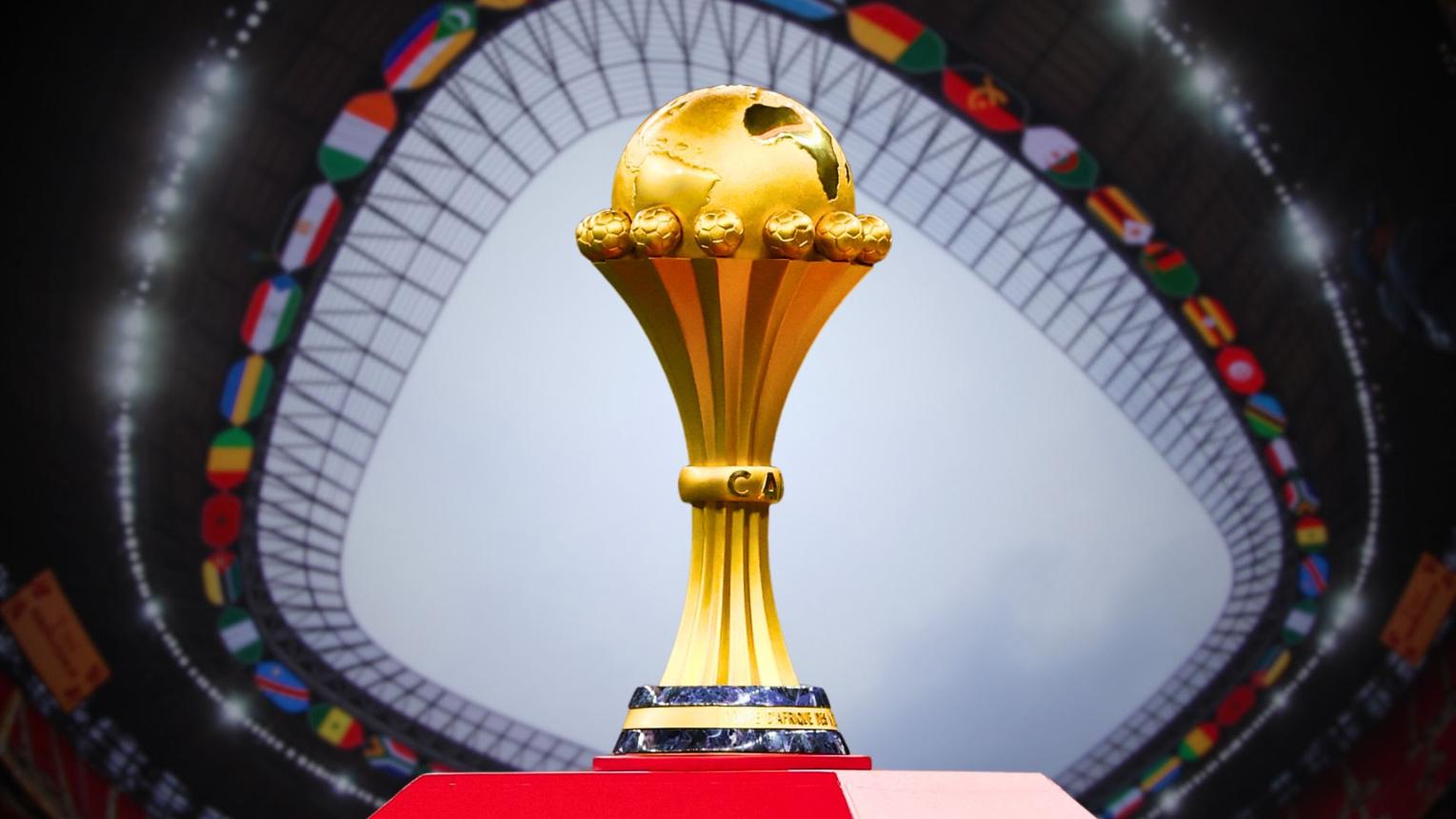
African football is becoming a considerably more valuable commercial business, but the growing financial power of the continent’s governing body raises a question that deserves greater scrutiny: who actually controls the money generated by the game, and how much influence do ordinary African football stakeholders have over its distribution?
The Confederation of African Football (CAF) has reported $284 million in revenue and a net profit of $31.2 million for the 2025-2026 financial year. Announced at its 48th Ordinary General Assembly in Abuja, Nigeria, on November 21, 2026, the figures represent a significant recovery for an organisation that says it was struggling with debts exceeding $100 million five years earlier.
Yet the headline numbers tell only part of the story. Behind the financial recovery lies a complex commercial structure involving national football associations, international sponsors, broadcasting companies, marketing agencies, tournament organisers and football administrators.
CAF’s financial success raises a question that extends beyond accounting. Who has the authority to negotiate the commercial value of African football, who receives the proceeds, and what mechanisms ensure that the money ultimately benefits the people and institutions responsible for developing the game?
CAF is governed, not privately owned
Understanding who controls African football begins with an important distinction: CAF is not a privately owned corporation whose shares belong to wealthy individuals or investors.
It is a continental football confederation comprising 54 national member associations. These associations collectively form its highest decision-making authority, the General Assembly.
Under CAF’s statutes, each national association is entitled to one vote. The Assembly considers institutional matters, approves budgets and accounts, elects leadership and determines the organisation’s broader direction.
This means Kenya, Nigeria, South Africa, Ghana, Morocco and the other member associations formally participate in the same voting structure, regardless of their respective economies or football markets.
CAF’s Executive Committee provides institutional leadership between General Assembly meetings. Its responsibilities include overseeing major organisational decisions and determining how the confederation operates.
The CAF president occupies the organisation’s most prominent executive position.
South African businessman Patrice Motsepe became CAF president in March 2021. He was re-elected unopposed in March 2025 for another four-year term, extending his leadership until 2029.
His presidency has coincided with a significant financial recovery and increased commercial ambitions.
However, the distinction between leadership and ownership matters. Motsepe does not personally own CAF’s revenue, broadcasting rights or competitions. These are institutional assets governed through CAF’s statutes and regulations.
The more important governance question is whether the formal authority of 54 associations translates into meaningful oversight of the organisation’s commercial and financial decisions.
Who controls the commercial rights?
The most valuable assets in African football are not necessarily stadiums, football equipment or even individual players.
They are the competitions themselves and the commercial rights attached to them.
The Africa Cup of Nations, CAF Champions League, Women’s Africa Cup of Nations and other continental tournaments provide valuable opportunities for broadcasters, advertisers and multinational businesses seeking access to African and international audiences.
CAF’s competition regulations establish its authority over the commercial rights of its tournaments.
These include television and broadcasting rights, digital media, advertising, merchandising, marketing and the commercial exploitation of tournament symbols.
The organisation can exploit these rights directly, through specialised agencies or through commercial partnerships.
This distinction is important because the companies that sell, distribute or market African football do not automatically own the competitions.
CAF retains institutional ownership of the relevant rights while commercial partners operate under contractual arrangements.
In March 2025, CAF announced a tender for an exclusive global marketing agency to help commercialise media, broadcasting and sponsorship rights for its national team competitions during the 2026-2029 period.
The plan included establishing a new commercial entity that would be 100% owned by CAF.
This proposed structure could give the confederation greater control over its commercial operations while allowing specialist agencies to provide expertise in selling and distributing rights.
However, the public tender announcement alone does not establish which agency ultimately secured the contract or the precise financial terms of the arrangement.
That information matters. The identity of the appointed agency, its commission structure, contractual obligations and reporting arrangements would help explain how much commercial value remains with CAF and how much is paid to intermediaries.
Broadcasting rights are a major source of influence
African football has historically struggled to capture the full commercial value of its television audience.
The continent produces globally recognised football competitions, yet the distribution and monetisation of their broadcasting rights involve international media markets, television networks and commercial intermediaries.
CAF’s 2025-2026 budget provides an indication of the importance of these arrangements.
The budget projected total revenue of approximately $312.85 million. Television, media, sponsorship and international marketing agency revenue were expected to contribute $269.9 million, representing approximately 86% of projected income.
Ticketing and hospitality were projected to generate another $20 million, while FIFA Forward funding was expected to contribute $22.5 million.
These are budget projections, not the final breakdown of the $284 million subsequently reported as actual revenue.
Nevertheless, they demonstrate the extent to which CAF’s financial model depends on the commercial exploitation of football competitions.
The 2025 Africa Cup of Nations in Morocco demonstrated the potential.
CAF reported that the tournament generated more than a 90% increase in competition revenue compared with the previous edition and attracted 23 commercial partners.
The confederation also highlighted increased media distribution and expansion into markets including China and Japan.
The commercial significance is considerable. African football is no longer simply competing for regional television attention. It is increasingly being positioned as an international sports entertainment product.
However, a larger international audience does not automatically translate into greater financial benefits for African broadcasters, production companies or ordinary football supporters.
The critical issue is whether African institutions can build stronger domestic broadcasting industries while negotiating commercially competitive international agreements.
The companies benefiting from African football
CAF’s commercial ecosystem brings together businesses from several industries.
Its 2025-2026 budget identifies a portfolio of international and regional commercial partners, illustrating the range of companies seeking access to African football’s audience.
Among the prominent names are:
- TotalEnergies: Official title sponsor and a major partner across CAF competitions.
- Orange: Telecommunications and digital connectivity.
- Puma: Sportswear and football equipment.
- Visa: Financial services and payments.
- TECNO: Consumer technology and smartphones.
- 1XBET: Sports betting and related commercial services.
- Royal Air Maroc: Aviation and travel.
- Danone: Food and consumer products.
- QNET: Direct selling and consumer products.
- Midea: Home appliances and technology.
- Africa Global Logistics: Transport and logistics.
- LONACI: Côte d’Ivoire’s national lottery operator.
CAF’s 2024-2025 activity report also identified partnerships with Unilever, Apsonic, the European Union and other commercial organisations.
The diversity of these partnerships reveals something important about the business of football.
A continental tournament provides more than advertising space around a football pitch. It creates opportunities for companies to reach consumers through television exposure, stadium branding, digital campaigns, hospitality, merchandise and promotional activities.
For sponsors, association with African football can provide access to millions of supporters across different countries and demographic groups.
For CAF, these arrangements generate revenue that can finance competitions, administration and development programmes.
However, sponsorship announcements rarely provide the complete financial picture.
The value of individual contracts, payment schedules, commission arrangements, activation costs and the distribution of commercial benefits are not necessarily disclosed in public announcements.
Consequently, identifying a sponsor does not establish how much that company pays or what profit it makes from the partnership.
A genuinely transparent commercial system would make more of these contractual details available.
Where does the $284 million go?
Generating revenue is only one part of managing African football. The more important question for national associations, clubs and supporters is how the money is distributed.
CAF’s financial announcement provides several important indicators.
The organisation reported a net profit of $31.2 million, positive reserves of $14.4 million and a cash balance of $118.8 million at the end of June 2026.
These figures indicate a substantial improvement in its financial position.
CAF also announced increases in financial support to national associations.
Annual assistance to each of its 54 member associations increased from $200,000 in 2021 to $700,000 in 2026, with the latest increase taking effect in July.
This represents a 250% increase compared with the 2021 allocation.
The organisation has also increased annual allocations to its six zonal unions from $500,000 to $900,000.
Club investment has risen from $19 million in 2021 to $48 million in 2026, according to CAF.
The increased support is potentially significant for countries where national football associations face financial limitations.
It can help finance youth development, women’s football, administrative operations, competitions, coaching programmes and other football development activities.
But an allocation is not the same as an independently verified development outcome.
The important question is whether the money reaches its intended beneficiaries and produces measurable improvements.
For example, how much of the additional funding is spent on grassroots football? How much supports women’s leagues? Are national associations improving their financial management? Are facilities being built and maintained?
These questions cannot be answered by the size of CAF’s allocations alone.
The national associations are the next accountability test
CAF’s financial structure creates a second level of responsibility.
The confederation distributes money to national associations, but those organisations must manage the funds within their own national football systems.
This creates an accountability chain extending from CAF’s headquarters to national football federations and eventually to clubs, academies, coaches and players.
The quality of governance at each level determines whether increased funding produces meaningful development.
Consider a country receiving $700,000 annually from CAF.
That money can potentially strengthen domestic competitions, improve football administration and support young players.
But its impact depends on the association’s financial controls, procurement procedures, development priorities and willingness to publish meaningful financial reports.
CAF can increase allocations, but it cannot guarantee that every national association will spend the money effectively.
This is particularly important for smaller football economies where external funding represents a substantial part of available resources.
Transparent expenditure reporting, independent audits and measurable development targets should therefore become central requirements of the funding system.
The economic power of African football extends beyond CAF
CAF does not operate in isolation.
National associations, domestic leagues, professional clubs, tournament hosts, broadcasters, ticketing operators, travel companies and sports merchandise businesses all participate in the wider African football economy.
A major tournament creates commercial opportunities extending well beyond the confederation’s own accounts.
Host countries can benefit from tourism, hospitality, transport, construction, advertising and temporary employment.
Broadcasters can generate income through advertising and subscriptions.
Sponsors gain access to audiences, while clubs and players benefit from increased visibility and potential commercial opportunities.
However, these benefits are not distributed equally.
International companies with established marketing infrastructure may be better positioned to capture commercial opportunities than smaller African businesses.
Similarly, a country hosting a major tournament may incur significant infrastructure and organisational costs without necessarily retaining all the economic benefits generated by the event.
This makes the ownership and negotiation of commercial rights a question of broader economic sovereignty.
African football should not only generate revenue for its governing institutions and international partners. It should also strengthen African businesses, media industries and domestic football economies.
The transparency question CAF cannot avoid
CAF’s financial recovery deserves recognition, particularly given the organisation’s reported financial difficulties in 2021.
However, financial improvement should create higher expectations of accountability, not lower them.
CAF’s 2025-2026 budget provides useful information about projected income and expenditure. Its financial announcement provides headline figures for revenue, profit, reserves and cash.
Yet headline figures cannot independently explain every commercial relationship.
A more comprehensive public financial disclosure would allow member associations, journalists and supporters to examine:
- Revenue received from individual broadcasting and sponsorship agreements.
- The fees and commissions paid to commercial agencies.
- Competition organisation and administration costs.
- Payments made to member associations and clubs.
- The use of development funding.
- Outstanding contractual obligations and liabilities.
- The performance of CAF-owned commercial entities.
The distinction between financial recovery and financial transparency is fundamental.
An organisation can be profitable while still leaving important questions about its commercial arrangements unanswered.
CAF has also said it addressed a decade-long gap in timely financial reporting by presenting two sets of accounts in 2026. That is a relevant governance development, but sustained, timely publication will be more important than a single improvement.
For an organisation governing football across 54 countries, accountability should be an ongoing institutional practice.
What African football stands to gain
The commercial growth of African football presents an opportunity that extends far beyond increasing the confederation’s bank balance.
The continent has a large football-following population, internationally recognised players, competitive national teams and increasingly attractive tournaments.
If these assets are managed strategically, African football can become a stronger economic industry.
There is room to develop African-owned sports marketing companies, broadcasting platforms, football technology businesses, merchandise industries and professional competition structures.
The expansion of digital broadcasting also creates opportunities for African media companies to distribute football content directly to audiences.
Women’s football represents another major area for investment. CAF has increased the Women’s Africa Cup of Nations prize fund substantially, but sustainable development will require stronger domestic leagues, professional contracts, better facilities and consistent investment in young female players.
The challenge is to turn tournament-driven commercial growth into permanent economic capacity.
Africa should not measure the success of its football industry exclusively through the revenue of its continental governing body.
It should also measure how many sustainable football businesses emerge, how many young people find employment in the industry, how domestic leagues develop and how much economic value remains within African countries.
The real question is who benefits
The $284 million reported by CAF represents an important milestone in the commercial development of African football.
It demonstrates that the continent’s competitions can attract sponsors, international broadcasters and substantial commercial investment.
It also illustrates the financial possibilities available when football competitions are managed as valuable international sports properties.
But the question of who controls African football cannot be answered by looking at the presidency, the sponsors or the revenue figures alone.
Formal governance rests with the 54 member associations. Commercial rights are controlled institutionally by CAF and exploited through contractual relationships. Sponsors purchase access and association with the competitions. Broadcasters distribute the product. National associations receive development allocations and remain responsible for their own financial management.
These different forms of influence shape who benefits from the game.
Ultimately, the most meaningful measure of CAF’s financial recovery will not be the amount of money accumulated in its accounts.
It will be whether African football becomes more accountable, commercially independent and economically beneficial to the people who sustain it.
The supporters filling stadiums, the young players training on local pitches, the coaches developing talent and the communities investing their hopes in the game are the foundation of its commercial value.
They do not own CAF’s commercial contracts, but they are essential to the value those contracts represent.
African football has demonstrated that it can generate substantial money. Its next challenge is to demonstrate that the wealth it creates can be converted into lasting benefits for African football itself.

More from Sports

How Ghana is putting African disability sports on the global map
Ghana’s world title exposes the promise of African para-sport, while testing whether recognition can become lasting investment and equal opportunity.
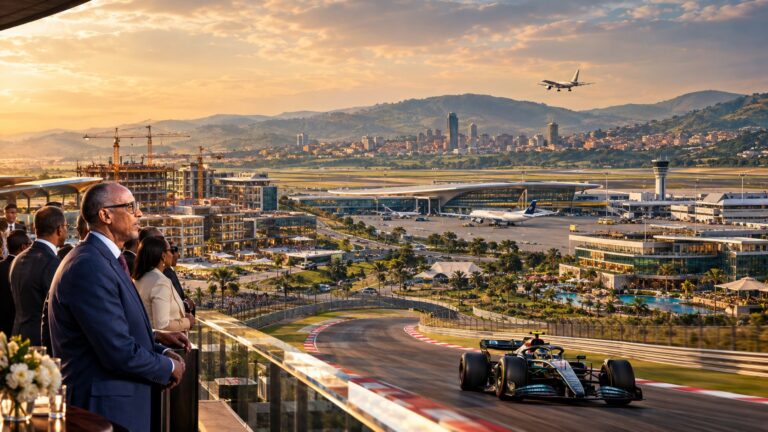
Rwanda’s $1 billion bet on Formula 1: Who will own Africa’s next global racing hub?
Rwanda’s Formula 1 ambition is about more than racing, it is a calculated attempt to turn Bugesera into Africa’s next investment and luxury destination.
How Yan Diomandé became the most expensive African soccer player in history
From dirt pitches in Abidjan to a record-breaking move to Real Madrid, the 19-year-old Ivorian winger has risen through football with remarkable speed, talent and resilience.