

Open source software — software whose source code is made publicly available under licences allowing anyone to view, use, modify, and distribute it — has become a foundational layer of the global technology industry, underpinning everything from internet infrastructure and mobile operating systems to data science tools and enterprise software. African software developers are increasingly active participants in global open source communities, making original contributions to widely used projects and building vibrant local developer communities that are developing the technical talent and collaborative culture on which a healthy technology sector depends.
The Importance of Open Source for African Technology
Open source software has particular significance for technology development in African contexts for several interconnected reasons. It dramatically reduces the cost of building technology products by providing high-quality, freely available building blocks — programming languages, frameworks, databases, operating systems — that developers can use and build upon without licensing costs that would otherwise be prohibitive for resource-constrained startups and small development teams. It provides African developers with access to the same world-class tools used by the world’s leading technology companies, levelling the playing field in terms of technical capability even where other resources are unequal. And it creates communities of practice — online and in-person networks of developers working on shared problems — that accelerate learning and professional development in environments where formal computer science education may be limited or where experienced senior developers who can mentor juniors are scarce.
African Contributions to Global Open Source
African developers contribute to open source projects at growing rates, driven by both the intrinsic benefits of participation — skill development, portfolio building, community reputation — and the practical value of improving tools that the contributor uses in their own work. Contributions range from documentation improvements and bug reports accessible to developers at all experience levels through to significant new feature development and project maintenance roles for more experienced contributors. Several African developers have become maintainers of globally significant open source projects — the individuals responsible for reviewing contributions, setting project direction, and making decisions about what changes are incorporated — a level of technical leadership and community recognition that demonstrates the growing depth of African software engineering talent. Developer communities in several African cities actively organise open source contribution events, hackathons, and study groups that collectively lower barriers to participation and build the social infrastructure around open source contribution.
Local Language Localisation
Open source communities have been an important vehicle for software localisation into African languages — the translation of software interfaces and documentation into languages spoken across the continent beyond the major European languages in which most software is developed. Community-driven localisation projects have produced translations of widely used software — operating systems, office suites, and web browsers — into a growing range of African languages, improving accessibility of digital tools for users whose primary language is not English, French, Portuguese, or Arabic. These localisation efforts are particularly important for digital inclusion, since software that is only available in a foreign language creates a significant practical barrier for users with limited proficiency in that language, effectively excluding them from using digital tools that their economic and social participation increasingly requires.
Developer Communities and Knowledge Sharing
Physical and virtual developer communities — meetup groups, developer conferences, online forums, study groups, and code camps — provide important social infrastructure for Africa’s growing technology talent community. These communities create environments for peer learning that complement formal education, provide networks through which developers find employment and collaboration opportunities, and in some cases serve as launching pads for open source projects addressing specifically African problems or contexts. The largest African technology hubs host active developer community ecosystems with regular events across multiple programming languages, frameworks, and technology domains. Online communities have amplified the reach of these networks, allowing developers in cities and countries without dense local developer communities to connect with peers across the continent and globally.
Open Source in Government and Public Services
Several African governments have adopted open source software policies that preference or mandate the use of open source tools for government technology systems, motivated by cost savings, avoidance of vendor lock-in, and in some cases concerns about data sovereignty and the auditability of closed-source systems. Open source health information systems, education management platforms, tax administration software, and financial management tools have been deployed in various African public sector contexts, often with support from international development organisations that have built and maintained open source platforms specifically designed for deployment in lower-resource settings. The sustainability of open source public sector deployments — ensuring ongoing maintenance, security patching, and feature development — is a practical challenge when the software is not supported by a commercial vendor with incentives to maintain it, requiring either domestic technical capacity or sustained community or donor support.
Building African Open Source Projects
Beyond contributing to existing global open source projects, African developers are increasingly building original open source software addressing problems specific to African contexts — from natural language processing tools for African languages to agricultural advisory systems adapted to local crop varieties and growing conditions, and payments and financial tools adapted to African mobile money infrastructure. These Africa-originated open source projects contribute to a growing base of shared technical resources specifically suited to African development needs, reducing the degree to which African technology builders must adapt tools designed for fundamentally different contexts to address their specific requirements. Several organisations and initiatives specifically support and celebrate African open source contributions, providing visibility, resources, and community for developers working on Africa-focused open source projects.
Looking Ahead
Open source participation by African developers and organisations is likely to grow alongside the broader expansion of the continent’s technology sector, driven by the clear practical benefits of open source tools and communities for resource-efficient technology development, and by the growing recognition within global open source communities of African developers as important and valuable contributors. Building stronger connections between African developer communities and global open source governance structures, supporting localisation of key tools into more African languages, and creating more opportunities for African developers to take on leadership roles in significant open source projects are all important dimensions of developing a healthy and globally connected African open source ecosystem.

More from Tech

How Nigeria is building Africa’s next AI talent powerhouse
Nigeria is combining public investment, university programmes and private-sector infrastructure to turn its large technology workforce into an AI-driven economic advantage.
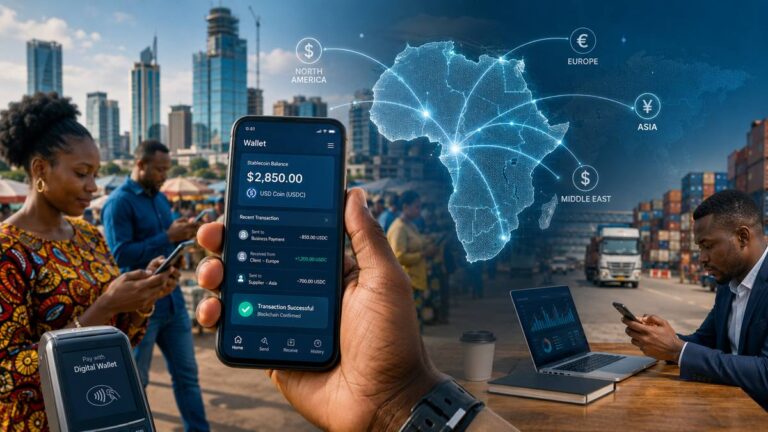
Why Stablecoins could transform Africa’s $1 trillion payments market
Africa’s growing digital economy is creating demand for faster, cheaper cross-border payments, putting stablecoins at the centre of a new financial infrastructure race.
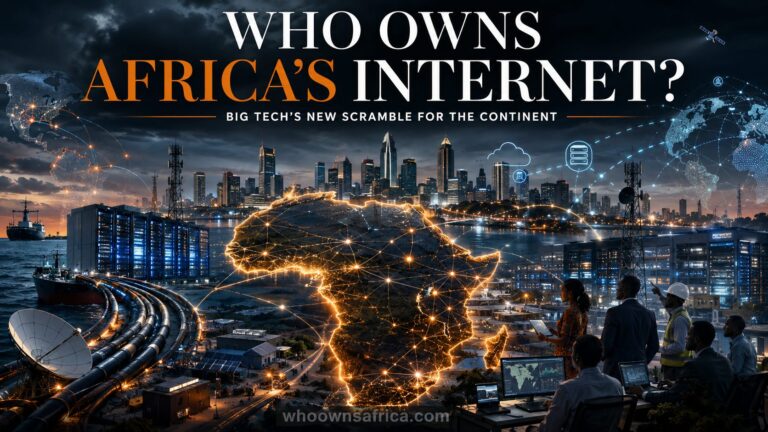
Who owns Africa’s internet? Big tech’s new scramble for the continent
Global tech giants are pouring money into cables, cloud infrastructure and satellites, reshaping who controls Africa's digital future.