

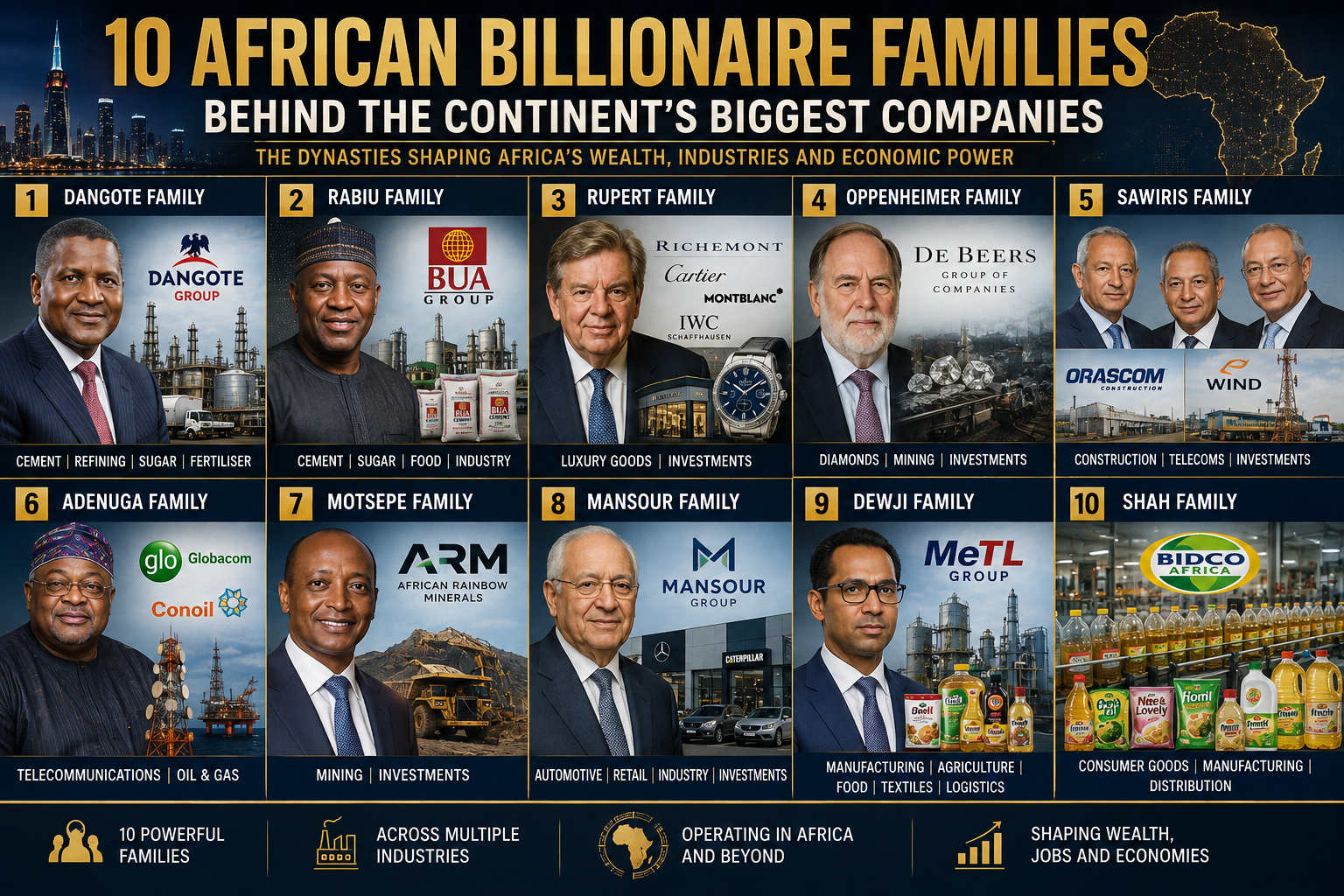
Africa’s corporate landscape is not shaped by entrepreneurs alone. Behind some of the continent’s most recognisable companies stand families whose wealth has survived economic crises, political transitions, currency shocks, changing markets and generations of leadership.
Their influence stretches from cement plants and diamond mines to luxury brands, banks, telecommunications networks and international investment portfolios. But the real story is not simply how these families became wealthy. It is how they built structures capable of preserving power, expanding capital and keeping control long after the original business was established.
The families behind Africa’s corporate power
1. The Dangote Family: Turning Industrial Ambition Into Economic Power
Nigeria | Cement, refining, food, fertiliser and manufacturing
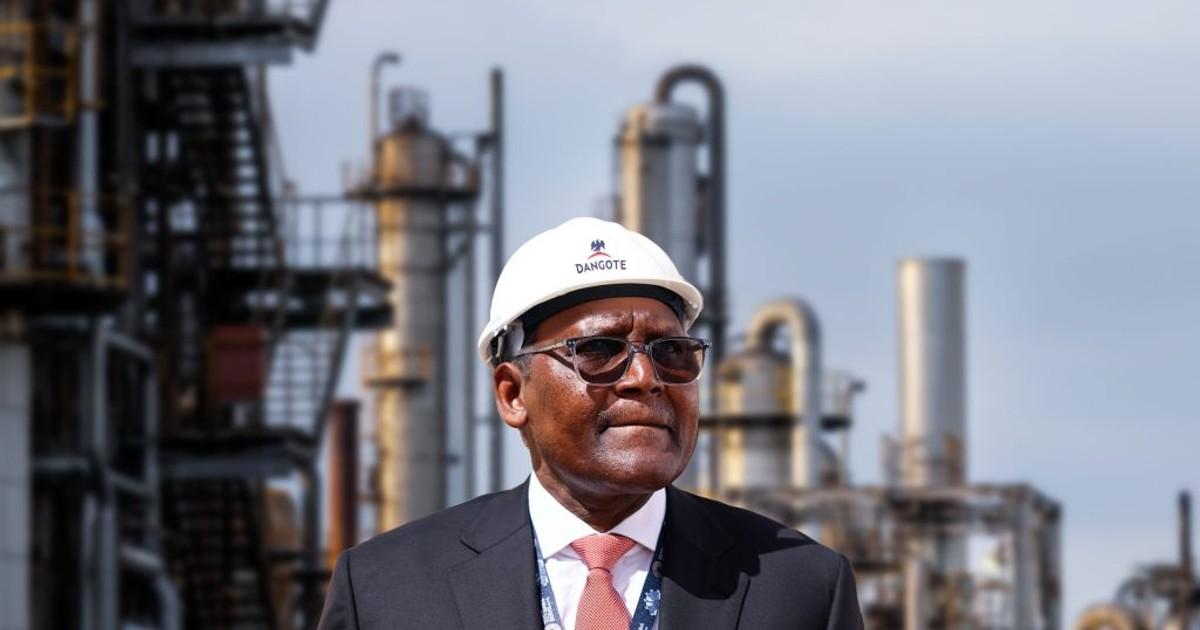
The Dangote family is one of the clearest examples of how a commercial fortune can evolve into an industrial empire with national and continental significance.
At its centre is Aliko Dangote, whose business journey began in trading before expanding into cement, sugar, flour, salt, fertiliser and energy. Dangote Group has increasingly focused on industries where Africa’s reliance on imports creates opportunities for domestic production.
Dangote Cement became one of the group’s most important assets, establishing a significant presence across multiple African markets. The family’s industrial ambitions have expanded further through the massive petroleum refinery project in Nigeria, which could reshape the country’s fuel supply chain and industrial landscape.
The business model is built around scale, infrastructure and control of supply chains. Rather than simply selling commodities, the group has invested in manufacturing capacity designed to serve large markets.
The next chapter of the Dangote empire will involve more than expansion. Succession, governance, capital allocation and the management of increasingly complex industrial assets will determine how effectively the family can preserve its influence across generations.
The Dangote story illustrates how African wealth can move from trading into industrial ownership, creating businesses that become strategically important to entire economies.
2. The Rabiu Family: Building a Manufacturing Counterweight
Nigeria | Cement, sugar, food processing and industry
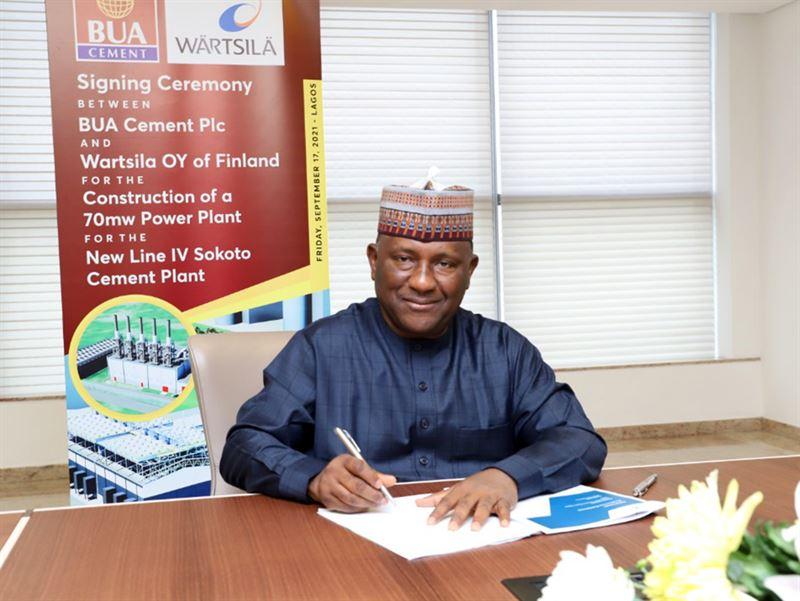
The Rabiu family, led by Abdul Samad Rabiu, has emerged as one of Nigeria’s most important industrial forces through BUA Group.
BUA’s expansion into cement, sugar refining, food processing and manufacturing has placed the family in sectors that influence construction, food supply and consumer prices.
The group’s growth has also challenged the established industrial order in Nigeria. In sectors where market concentration can influence prices and availability, the emergence of another large producer has important implications for competition.
BUA Cement and BUA Foods provide exposure to publicly traded businesses, while the wider group maintains interests in other industrial and commercial activities.
Rabiu’s business model reflects a long-term bet on Africa’s domestic consumption. As populations expand and cities grow, demand for housing, food, infrastructure and consumer products creates opportunities for industrial businesses capable of operating at scale.
The family empire is also increasingly associated with investment in social infrastructure through philanthropy, particularly healthcare and education.
The Rabiu story highlights a wider transformation in African capitalism: the emergence of competing industrial fortunes capable of challenging established businesses and reshaping national markets.
3. The Rupert Family: Wealth Beyond the African Market
South Africa | Luxury goods, investment, finance and global brands

The Rupert family built one of Africa’s most internationally connected business fortunes, transforming a South African commercial legacy into a portfolio of global investments.
Johann Rupert is best known for his association with Richemont, the luxury group behind brands such as Cartier and Montblanc. The family’s influence also extends through Remgro and Reinet, investment platforms with interests spanning multiple industries.
What makes the Rupert empire distinctive is its ownership architecture. Family influence is exercised through investment companies and share structures rather than direct operational control of every business.
Richemont’s 2026 annual report identifies Compagnie Financière Rupert as holding approximately 10.18% of its equity while controlling 50.60% of voting rights as at March 31, 2026. That distinction illustrates how economic ownership and voting power can differ substantially.
The Rupert family’s wealth is therefore not simply tied to products sold in stores. It is tied to ownership, governance and the strategic allocation of capital across global markets.
This model demonstrates how an African-origin business dynasty can build influence internationally while maintaining a family-centred structure.
4. The Oppenheimer Family: From Diamonds to Investment Capital
South Africa | Mining legacy, investments and private capital

For much of the twentieth century, the Oppenheimer name was inseparable from the global diamond industry.
The family built its fortune through mining and its historical association with Anglo American and De Beers, companies that shaped the development of the global diamond trade.
Nicky Oppenheimer and his family sold their 40% stake in De Beers to Anglo American in 2012 for approximately $5.1 billion. That transaction marked a significant turning point, shifting the family’s focus from direct diamond ownership toward investment and capital preservation.
The Oppenheimer family’s story is important because it illustrates what happens when a dynasty exits the industry that created its fortune.
Rather than attempting to reproduce the original empire indefinitely, families can sell major assets and redeploy capital into different sectors, geographies and investment strategies.
The transition from mining ownership to investment capital reflects a more sophisticated approach to wealth management, one designed to reduce dependence on a single commodity and preserve wealth over longer periods.
The Oppenheimer legacy demonstrates that the ultimate power of a business dynasty may lie not in the asset it once owned, but in what it does with the proceeds after selling it.
5. The Sawiris Family: Egypt’s Global Business Dynasty
Egypt | Construction, telecommunications, investment, tourism and industry
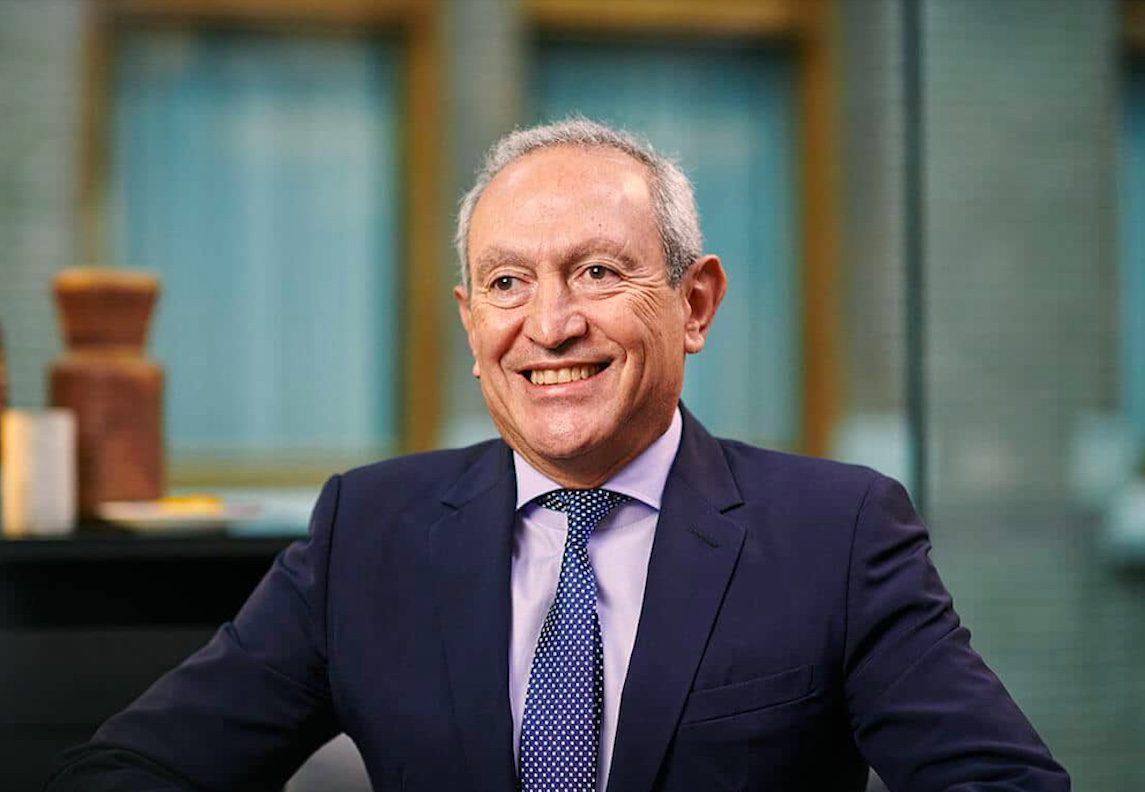
Few African families illustrate corporate diversification as clearly as Egypt’s Sawiris family.
Founded by Onsi Sawiris, the family business developed through construction and industrial activities before expanding into telecommunications, tourism, chemicals and international investments.
His sons Nassef, Naguib and Samih built separate business interests, creating a family network whose influence extends beyond Egypt.
Nassef Sawiris has built a major international investment portfolio and maintains interests in construction, industry and global companies. Naguib Sawiris became widely associated with telecommunications and international investments, while Samih Sawiris developed significant tourism and real estate interests.
The family demonstrates how succession does not necessarily mean transferring one company from a parent to a child. It can involve creating distinct commercial platforms for different members of the next generation.
This structure allows individual family members to pursue their own investment strategies while benefiting from a shared business legacy, capital and international relationships.
The Sawiris empire represents a model of family wealth that combines operating businesses with global investment exposure, reducing reliance on any single market or sector.
6. The Adenuga Family: Telecommunications and Energy
Nigeria | Telecommunications, oil, gas and financial investments

Mike Adenuga built one of Nigeria’s most influential business fortunes through oil and telecommunications, establishing a commercial empire that operates in industries central to economic growth.
His businesses include Conoil, associated with petroleum interests, and Globacom, the telecommunications operator that expanded into a major force in Nigeria’s mobile market and other African countries.
Adenuga’s strategy reflects the value of entering sectors with enormous demand and high barriers to entry. Telecommunications requires substantial capital, infrastructure, spectrum, technology and distribution. Petroleum businesses depend on assets, supply chains, regulatory frameworks and commercial networks.
The family’s business influence is closely associated with Adenuga himself, making succession and institutional continuity particularly important questions for the future.
Unlike family empires where multiple generations are already publicly visible in management, founder-centred businesses often face the challenge of building governance structures that can survive the eventual transition of leadership.
The Adenuga empire highlights the importance of converting founder success into durable corporate institutions.
7. The Motsepe Family: Mining Wealth and Investment Influence
South Africa | Mining, investments and financial interests
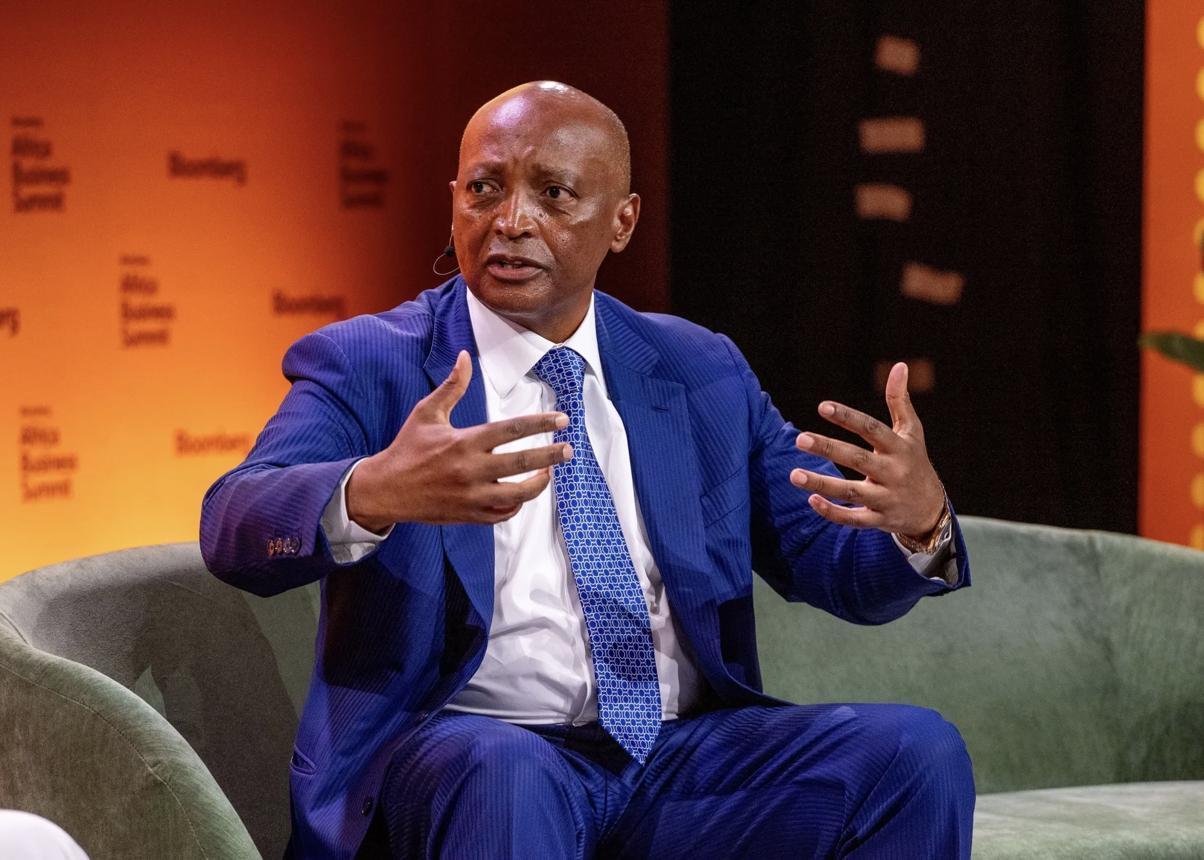
Patrice Motsepe’s rise represents one of the most significant modern stories of African entrepreneurship and wealth creation.
Through African Rainbow Minerals, Motsepe built a substantial business in mining, with exposure to minerals and resources central to industrial development.
Mining is a particularly strategic sector because it connects African economies to global demand for metals, infrastructure, manufacturing, energy systems and emerging technologies.
The Motsepe family has also developed investment interests beyond mining, while Patrice Motsepe’s public profile extends into football and philanthropy.
The family structure around African Rainbow Minerals includes investment vehicles and trusts associated with Motsepe and his immediate family. Corporate disclosures provide insight into the way family interests and broader empowerment structures interact with listed-company ownership.
Motsepe’s empire illustrates how ownership in resource companies can create wealth while also raising broader questions about mineral beneficiation, employment, environmental responsibility and how much value remains within the countries producing the resources.
The challenge for the next generation is not simply preserving mining wealth, but deciding how to deploy it in an economy that increasingly demands diversification.
8. The Mansour Family: Egypt’s Multigenerational Commercial Machine
Egypt | Automotive, industrial equipment, retail, consumer goods and investment

The Mansour family has built one of Egypt’s most diversified private-sector business groups.
The Mansour Group, associated with Mohamed Mansour and his brothers Youssef and Yasseen, operates across automotive distribution, consumer goods, industrial equipment, retail, financial services and other investments.
The group’s commercial strength has been built partly through partnerships with international brands, distribution networks and investments across multiple markets.
Its business interests extend beyond Egypt, giving the family access to international opportunities and a diversified source of income.
The Mansour model demonstrates how African family companies can become global commercial intermediaries, connecting international manufacturers with African markets while building their own investment portfolios.
The family has also expanded into investment activities through platforms such as Man Capital, which supports investments across sectors and international markets.
The wider lesson is that family wealth increasingly operates through more than the original operating company. Investment vehicles, international partnerships and professional management can become just as important as the business that first created the fortune.
9. The Dewji Family: East Africa’s Industrial and Trading Legacy
Tanzania | Manufacturing, agriculture, food processing, textiles and logistics

The Dewji family is closely associated with MeTL Group, one of East Africa’s most prominent diversified business groups.
Under Mohammed Dewji, the family business has expanded from trading into manufacturing, agriculture, textiles, food processing, logistics and consumer goods.
Its model combines production and distribution, allowing the group to participate in multiple stages of commercial supply chains.
This approach is particularly relevant in East Africa, where manufacturing growth, regional trade and consumer demand are creating opportunities for companies capable of operating across borders.
The Dewji business story is not simply about wealth accumulation. It is about the role of family-controlled industrial businesses in developing production capacity, employing workers, building brands and creating regional commercial networks.
However, the future of a diversified conglomerate also depends on succession, governance, capital discipline and whether it can maintain competitiveness as markets become more complex.
MeTL demonstrates how a family business can evolve into a regional industrial institution while remaining closely associated with its founder and family leadership.
10. The Shah Family: Building an East African Consumer Goods Empire
Kenya | Manufacturing, fast-moving consumer goods, food processing and distribution

The Shah family has built one of East Africa’s most recognisable consumer goods businesses through Bidco Africa.
Founded from entrepreneurial roots, the group expanded into edible oils, detergents, personal care products, food and other household goods distributed across multiple African markets.
Its commercial model is built around a basic but powerful insight: the products consumers buy repeatedly can create resilient businesses when supported by manufacturing capacity, distribution networks, trusted brands and pricing strategies suited to local markets.
Bidco’s expansion illustrates how family-owned companies can compete with multinational consumer goods corporations by understanding regional demand, building local production and creating brands that are familiar to households.
The family’s influence extends through manufacturing, distribution, employment and the supply chains connected to its products.
For East Africa, the Shah business story demonstrates that corporate power does not always come from mining, banking or telecommunications. Consumer manufacturing can also create lasting business empires.
The challenge ahead is maintaining competitiveness, adapting to changing consumer preferences, expanding regional markets and investing in more efficient production as the continent’s consumer economy evolves.
The real power of African business dynasties
The ten families above represent different paths to wealth. Some built fortunes through industrial production. Others inherited and expanded capital accumulated over decades. Several transformed mining or commodity businesses into diversified investment platforms. Others built their influence around consumer markets, financial services or telecommunications.
But their stories share a common feature: wealth becomes more durable when it is converted into institutions.
The first generation may build the company. The second may expand it. The third must decide whether to preserve the empire, modernise it, diversify it or fundamentally change its structure.
That transition is often the most difficult.
Family ownership can provide patience, long-term decision-making and continuity that publicly traded companies may struggle to sustain. It can also create risks involving succession, transparency, concentration of power and the separation of family interests from corporate governance.
Africa’s next economic chapter will be shaped partly by whether these dynasties can turn private fortunes into productive institutions that support wider economic growth.
Their influence is already visible in cement, food, mining, banking, luxury goods, telecommunications, manufacturing and retail.
The deeper question is whether the wealth they preserve will also help expand opportunity beyond the family.
Because the measure of a business dynasty is not simply how much wealth it passes to the next generation.
It is what it leaves behind for the economy in which that wealth was created.

More from Business

Who gets to own Africa’s biggest industrial projects? The Dangote IPO reveals the barriers
Africa’s biggest refinery share sale raises a fundamental question about wealth creation: can Africans invest across borders as easily as capital moves across continents?

ICEA Lion: The Ndegwas buy back what they once sold
The ICEA Lion buyback is more than a family deal; it exposes the changing balance between local capital, foreign investors and control.
DP World extends Luanda port deal to 2051 as Gulf influence expands in Angola
DP World’s Luanda extension reveals how Gulf capital is reshaping African trade infrastructure through long-term concessions, logistics and strategic access.