

Africa’s creative industries — encompassing film, television, music, fashion, visual arts, gaming, digital content creation, architecture, and a range of cultural and craft traditions — are generating growing economic value, employment, and global cultural influence. Powered by digital distribution platforms that have dramatically expanded the geographic reach of African creative work, and by a young, creative, and digitally connected population producing content for both domestic and global audiences, the creative economy is increasingly recognised as a significant sector of economic activity and cultural diplomacy that deserves specific policy attention and investment alongside more traditional economic sectors.
The African Film Industry
African cinema exists in multiple overlapping traditions. Nigeria’s film industry — popularly known as Nollywood — is one of the most prolific film production industries in the world by volume, producing thousands of films annually that reach vast audiences across the continent and among African diaspora communities globally. Starting from low-budget direct-to-video productions, the industry has gradually developed higher-production-value content that has attracted international streaming platform investment and co-production partnerships, opening distribution channels to global audiences previously inaccessible to African film. South Africa has a well-established film and television production infrastructure oriented toward both local and international productions, functioning as a regional production hub. East African cinema is developing rapidly, with Kenyan and Ethiopian filmmaking gaining international festival recognition. And Francophone West African cinema has a longer art-film tradition with strong connections to European festival circuits. The combination of global streaming platform investment in African original content and growing domestic subscription streaming markets is accelerating the commercial development of African film production.
Afrobeats and the Global Music Industry
African popular music — particularly the broad family of sounds originating in West Africa that have come to be loosely grouped under the term Afrobeats — has achieved remarkable global commercial success over the past decade, with Nigerian artists achieving chart success in major international markets, collaborating with globally prominent artists, and performing to large audiences at international venues. Digital music streaming platforms have been transformative for this internationalisation, enabling African artists to reach global audiences without requiring the physical distribution infrastructure and major label relationships that had historically gated access to international markets. The commercial infrastructure supporting African music — management, publishing rights administration, event promotion, and distribution — has been developing rapidly in response to the sector’s growth, though significant capacity gaps remain in intellectual property protection, royalty collection, and international industry relationships that limit the financial returns African artists capture from their global commercial success.
Fashion and Design
African fashion — drawing on extraordinary textile, craft, and design traditions while engaging dynamically with contemporary global fashion — has achieved growing international visibility and commercial significance. African fashion weeks in major cities have become platforms for both established and emerging designers, and a growing number of African designers have achieved recognition in international fashion markets. The broader fashion supply chain, including the production of African textiles and garments both for domestic markets and for export, represents significant employment and economic activity alongside the higher-profile designer fashion segment. Intellectual property protection for traditional design elements and patterns that are commercially appropriated by international fashion companies without compensation to their originators remains a persistent policy issue at the intersection of cultural preservation and economic rights.
Digital Content Creation
The explosion of digital content creation — YouTube channels, podcasts, social media content, blogs, and online media platforms — has created a new category of creative economy activity accessible to young Africans with a smartphone and internet connection. African digital content creators have built audiences of millions, generating advertising revenue, brand partnership income, and direct creator support from their audiences through platforms that pay based on engagement rather than requiring physical distribution infrastructure. This democratisation of content creation and distribution has lowered barriers to entry for creative entrepreneurship and allowed many young Africans to build commercially viable creative careers outside the formal employment relationships that have historically been the primary pathway to stable income.
Creative Economy Policy and Infrastructure
Several African governments have begun to recognise the creative economy as a strategic sector deserving specific policy attention, including dedicated creative industry development agencies, investment in creative education and skills development, intellectual property reform and enforcement improvement, and in some cases direct financing support for creative business development. Film funds providing production financing, music industry development programs, fashion design incubators, and creative hubs providing shared workspace and business support infrastructure have all been established in different markets. The quality and effectiveness of this policy support varies considerably, and many practitioners in the creative sector continue to identify specific regulatory and infrastructure barriers — inadequate intellectual property enforcement, limited access to affordable production finance, insufficient copyright expertise among policymakers — as constraints on sector development that policy has not yet adequately addressed.
Intellectual Property and Rights Management
Intellectual property — the legal rights protecting creative works including copyright in music, film, and literary works, design rights, and trademark protection — is foundational to the commercial viability of the creative economy. When intellectual property rights are not effectively enforced, creators cannot monetise their work reliably, investors are reluctant to finance creative production, and the industry’s commercial development is constrained. Music piracy — the unauthorised copying and distribution of recorded music without payment to rights holders — has historically been a significant problem in many African markets, limiting the commercial revenue available to artists and record labels. The transition to streaming consumption has provided a partial solution to the piracy problem for music, since streaming services offer more convenient legitimate access than piracy alternatives, but enforcement of copyright across digital platforms and in physical markets remains an important policy priority for creative industry development.
Looking Ahead
The trajectory of Africa’s creative economy is strongly positive, driven by demographic momentum — a young, creative, and digitally connected population — digital distribution infrastructure that enables global reach from anywhere, and growing international recognition and commercial interest in African creative work. The most significant barriers to realising the sector’s full potential are in the business and policy infrastructure surrounding creativity rather than in the creative talent itself: intellectual property protection, financing access, business skills development, and international industry relationship building. Addressing these infrastructure gaps while preserving the creative vitality and cultural authenticity that make African creative work globally compelling will be the central challenge for both industry and policy in developing this sector.

More from Business

Who gets to own Africa’s biggest industrial projects? The Dangote IPO reveals the barriers
Africa’s biggest refinery share sale raises a fundamental question about wealth creation: can Africans invest across borders as easily as capital moves across continents?

ICEA Lion: The Ndegwas buy back what they once sold
The ICEA Lion buyback is more than a family deal; it exposes the changing balance between local capital, foreign investors and control.
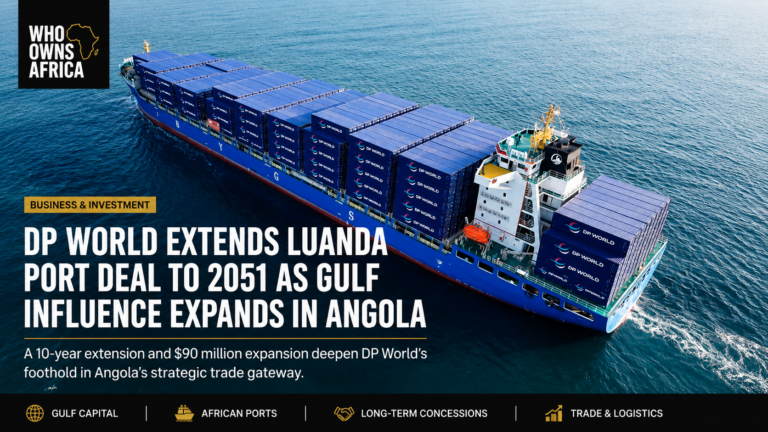
DP World extends Luanda port deal to 2051 as Gulf influence expands in Angola
DP World’s Luanda extension reveals how Gulf capital is reshaping African trade infrastructure through long-term concessions, logistics and strategic access.