

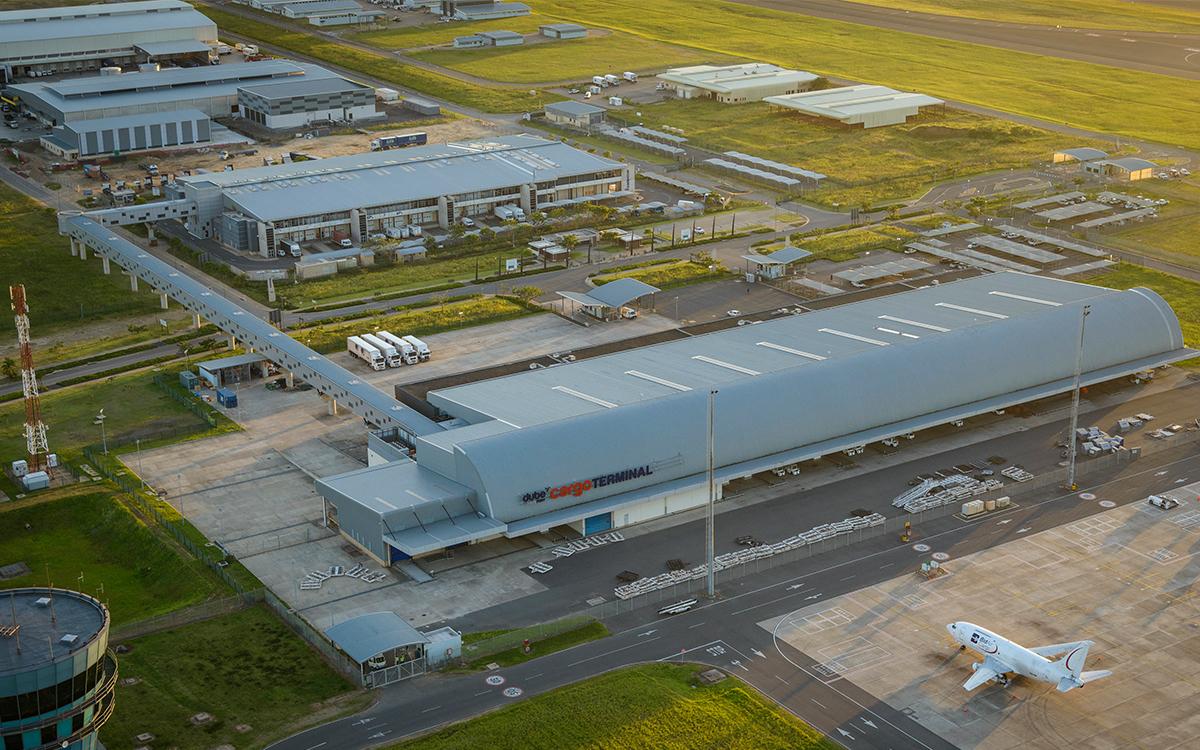
Zimbabwe wants to become more than a country through which goods pass on their way to international markets. Its proposed US$1.3 billion airport cargo village represents a much larger ambition: to capture a greater share of the infrastructure, commercial services and economic value generated by African trade. But building warehouses and another runway will not automatically make Harare a regional logistics powerhouse. The real contest will be determined by whether Zimbabwe can attract exporters, airlines, international logistics companies and the commercial networks that turn infrastructure into a profitable trading gateway.
Beyond an airport expansion
The proposed Robert Gabriel Mugabe International Airport Cargo Village signals an important shift in Zimbabwe’s infrastructure ambitions.
For years, much of Africa’s transport development has concentrated on building roads, upgrading airports and expanding ports. Increasingly, however, governments are recognising that the economic value of infrastructure depends on what happens after goods arrive at these facilities.
Warehousing, freight handling, customs clearance, refrigeration, packaging, distribution and international connections are becoming just as important as the physical transport networks themselves.
Zimbabwe is attempting to bring these activities together in one integrated logistics development.
The project is being undertaken through a partnership between the state-owned Airports Company of Zimbabwe and local investment firm Transvaal Africa. Its proposed components include a dedicated cargo runway, 142 specialised warehouses, cold-chain facilities, a cargo terminal, aviation fuel infrastructure and supporting commercial facilities.
The development has received National Project Status, a designation intended to facilitate strategically important investments through government incentives.
According to reports published on November 24 and 27, 2026, construction is expected to begin in the first quarter of 2027, with completion targeted for 2030.
The investment has been reported at approximately US$1.3 billion, although earlier announcements placed the proposed development at slightly more than US$1 billion. The distinction matters because the final project cost, financing arrangements and implementation timetable will determine its actual economic significance.
The ambition is substantial. The challenge is turning it into a commercially sustainable operation.
Zimbabwe’s geographical advantage
Zimbabwe occupies an interesting position in southern Africa’s trading network.
Although it is landlocked, the country sits between several important regional markets and transport corridors. It shares borders with South Africa, Zambia, Mozambique and Botswana, giving it potential access to established commercial routes connecting southern and central Africa.
This geographical position creates opportunities for Harare to serve exporters and businesses beyond Zimbabwe’s domestic market.
Zambian businesses, companies operating in the Democratic Republic of Congo and producers in other neighbouring economies could potentially benefit from additional cargo-handling options, provided the airport offers competitive prices, dependable schedules and efficient customs procedures.
However, geography alone does not create a logistics hub.
A successful hub requires airlines willing to establish regular routes, freight forwarders capable of consolidating shipments, customs authorities able to process cargo efficiently and customers who consider the facility commercially attractive.
Harare must therefore compete not simply as an airport but as an integrated logistics service provider.
Its strategic location is an advantage. Whether that advantage becomes an economic asset will depend on execution.
The competition is already established
Zimbabwe is entering a market where several African aviation centres have developed considerable advantages.
Ethiopia has demonstrated how a country without direct maritime access can build an international logistics business around aviation infrastructure.
Ethiopian Airlines has transformed Addis Ababa into one of the continent’s leading air cargo gateways through its airline network, dedicated freighter operations, cargo facilities and connections to international markets.
South Africa’s Johannesburg airport benefits from an established logistics ecosystem, a large industrial economy and extensive international airline connections.
Nairobi has also developed a strong position through its international aviation network and the importance of Kenyan horticultural exports.
These competitors demonstrate an important distinction: cargo hubs are built around commercial ecosystems, not simply physical facilities.
Zimbabwe will need to offer something compelling enough to persuade airlines and freight operators to divert cargo through Harare rather than established gateways.
That could include competitive handling charges, efficient clearance procedures, attractive transit arrangements and specialised services for agricultural exports.
The country does not necessarily need to displace Johannesburg, Nairobi or Addis Ababa. It could establish a more specialised position serving southern African exporters and selected regional markets.
That is a more realistic competitive strategy than attempting to become the continent’s dominant cargo gateway immediately.
The export economy behind the investment

The strongest economic justification for the project lies in Zimbabwe’s productive sectors.
Mining, tobacco, agriculture and horticulture generate significant export earnings, but they do not all require the same transportation infrastructure.
Gold, platinum-group metals, lithium and other minerals contribute substantially to export revenues. However, most bulk mineral shipments are better suited to road and rail transportation than expensive air freight.
The opportunity for an airport cargo hub is therefore more closely connected to high-value, time-sensitive products.
Fresh produce, flowers, specialist agricultural products, pharmaceuticals and industrial components can benefit from reliable air transport when delivery speed and product quality justify the additional cost.
Zimbabwe’s horticultural industry is particularly relevant.
Exporting perishable produce requires more than access to an aircraft. Products must be harvested, graded, packaged, inspected, refrigerated and transported within carefully controlled timeframes.
Delays at any stage can reduce product quality and commercial value.
An integrated cargo facility could address some of these problems by bringing specialised storage, handling and logistics services closer together.
The opportunity is not limited to agriculture. Pharmaceutical products, medical supplies, high-value manufacturing components and urgent industrial equipment could also benefit from improved air freight infrastructure.
Nevertheless, Zimbabwe must expand the supply of goods that can economically use these services.
A modern airport cannot create export production by itself.
The numbers behind the opportunity
Zimbabwe’s existing cargo volumes provide an important starting point for assessing the project’s commercial potential.
According to the Airports Company of Zimbabwe’s chief executive, Tawanda Gusha, the country currently handles approximately 30,000 to 40,000 tonnes of cargo annually, with potential demand estimated at 100,000 tonnes.
That represents a significant opportunity for capacity expansion.
But projected demand should not be confused with guaranteed cargo volumes.
The difference between existing throughput and potential capacity must be supported by actual commercial commitments from exporters, airlines, freight forwarders and logistics operators.
A facility designed for 100,000 tonnes will not automatically attract that volume.
The project therefore needs a clear strategy for securing long-term cargo contracts, attracting dedicated freight operators and building relationships with international distribution networks.
The commercial performance of the facility will ultimately matter more than the size of its construction budget.
The infrastructure challenge extends beyond Harare
One of the most important questions surrounding Zimbabwe’s logistics ambitions concerns what happens outside the airport.
Cargo infrastructure operates as part of a wider transport network.
Goods arriving from Zambia or the Democratic Republic of Congo must travel through border crossings, road networks and customs systems before reaching Harare.
Likewise, agricultural products produced in rural Zimbabwe must reach the airport quickly enough to preserve their commercial value.
Road congestion, unreliable transport services, border delays and administrative inefficiencies could undermine the advantages created by modern airport facilities.
Zimbabwe’s position along the North-South Corridor offers opportunities to strengthen regional trade connections, but those opportunities require coordinated investment across multiple transport systems.
Railways also matter.
For minerals, agricultural bulk commodities and industrial products that do not require urgent delivery, reliable rail connections can provide a more economical alternative to road transportation.
A successful logistics strategy should therefore integrate air freight with road and rail networks rather than treating the airport as an isolated development.
This is particularly important if Zimbabwe wants to serve neighbouring economies rather than simply expand its domestic cargo business.
The investment and ownership question
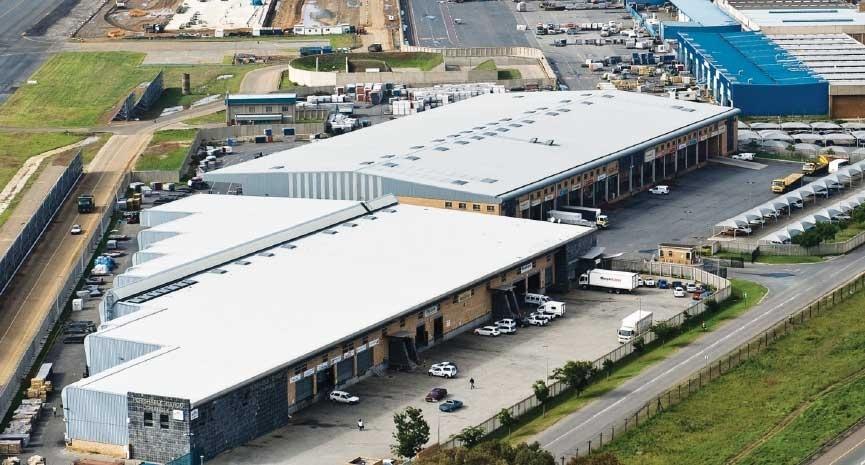
The project’s public-private partnership structure introduces another important dimension.
The involvement of Transvaal Africa alongside the Airports Company of Zimbabwe reflects a broader African trend in which governments are seeking private capital to finance strategic infrastructure.
This approach can reduce immediate pressure on public finances while bringing private-sector expertise and operational investment into major developments.
However, the designation of National Project Status does not, by itself, establish that the entire investment has been financed or that construction risks have been eliminated.
Reports published in November indicate that the project partners have been working towards financial closure.
That distinction deserves attention.
For an investment of this scale, transparency around financing commitments, ownership arrangements, concession terms, public obligations and expected returns is essential.
Investors and citizens should be able to understand who finances the infrastructure, who operates it, how revenue is generated and how commercial risks are distributed.
Government incentives may help make the development attractive, but they must be balanced against the long-term public interest.
Zimbabwe also needs to ensure that local businesses can participate meaningfully in the opportunities created.
Small exporters, agricultural cooperatives, transport companies, packaging businesses and logistics entrepreneurs should not be excluded by costs or complicated operating requirements.
The wider economic benefits will depend partly on how much business the project creates beyond its principal investors.
What could go wrong?
The greatest risk is a mismatch between infrastructure capacity and commercial demand.
Large logistics developments require sustained cargo volumes to cover operating costs, maintenance, staffing, security and financing obligations.
If airlines do not establish sufficient services or exporters continue using alternative gateways, the facility could struggle to achieve its intended utilisation.
Competition is another concern.
Established African cargo hubs already possess airline relationships, international distribution networks and experienced freight operators.
Zimbabwe will need to demonstrate a measurable advantage to persuade commercial customers to change established supply chains.
Macroeconomic conditions also matter.
Currency uncertainty, regulatory changes, foreign exchange access and the cost of doing business can influence the willingness of international companies to make long-term commitments.
Infrastructure projects also require dependable electricity, digital systems, aviation safety standards and predictable public administration.
Cold-chain facilities, in particular, cannot function competitively without reliable power and effective temperature monitoring.
These challenges do not make the project unviable. They demonstrate why the investment must be accompanied by institutional reforms and a credible commercial operating strategy.
A new opportunity for African trade
There is a wider continental dimension to Zimbabwe’s ambitions.
The African Continental Free Trade Area is intended to increase trade between African economies by reducing barriers and improving access to regional markets.
However, trade agreements cannot deliver their full economic benefits without efficient transport, storage and distribution networks.
Harare’s proposed cargo village could contribute to this transformation if it becomes a gateway that connects producers, manufacturers and exporters across national borders.
It could also encourage investment in agricultural processing, pharmaceutical distribution, packaging, freight technology and other supporting industries.
The most valuable outcome would not simply be an increase in the number of aircraft carrying cargo through Harare.
It would be the creation of a wider commercial ecosystem in which more African businesses can reach international customers, preserve the value of their products and participate in regional supply chains.
That requires cooperation with neighbouring governments, customs authorities, airlines and private logistics operators.
It also requires a willingness to measure success through actual trade volumes, employment, local business participation and export competitiveness rather than infrastructure announcements alone.
The real test begins after construction
Zimbabwe’s US$1.3 billion cargo ambition deserves attention because it reflects a growing recognition that control over logistics infrastructure is an important source of economic influence.
Countries that control efficient trading gateways can attract businesses, influence supply chains and capture revenue from services that extend far beyond the movement of goods.
But the distinction between building infrastructure and building economic power remains fundamental.
Harare can construct warehouses, expand runways and establish modern cold-chain facilities. None of these achievements will guarantee that international cargo operators choose Zimbabwe over competing destinations.
That decision will depend on reliability, cost, connectivity, regulatory confidence and the availability of goods worth transporting.
For Zimbabwe, the opportunity is to turn its geographical position into a productive commercial advantage.
For Africa, the project raises a broader question about who will own and operate the infrastructure connecting the continent’s producers to global markets.
The next generation of African economic competition will not be decided exclusively by who owns the mines, farms or factories. It will also be shaped by who controls the routes, warehouses, terminals and distribution networks through which their products reach customers.
If Zimbabwe can make Harare commercially competitive, the cargo village could become an important part of that emerging infrastructure landscape.
If it cannot, the country may end up with an impressive development whose economic ambitions exceed the market it was designed to serve.
The real measure of success will not be the amount of concrete poured at Harare International Airport. It will be the value of African trade that the infrastructure helps Zimbabwe and its neighbours capture.

More from Business
Kenya’s oil wealth: Who really benefits when South Lokichar starts exporting oil?
Kenya's emerging oil industry raises critical questions about ownership, foreign investment, government revenues and whether Turkana communities will finally benefit.

10 African billionaire families behind the continent’s biggest companies
From cement and luxury goods to banking, mining and telecommunications, these families have turned capital into lasting corporate power across Africa.

Who gets to own Africa’s biggest industrial projects? The Dangote IPO reveals the barriers
Africa’s biggest refinery share sale raises a fundamental question about wealth creation: can Africans invest across borders as easily as capital moves across continents?