Health
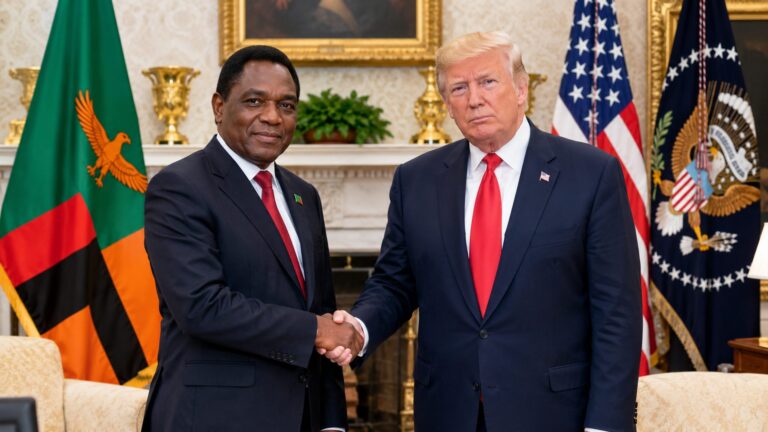
Zambia draws a line on data and still secures $1.5 billion from Washington
Zambia's health deal with Washington shows how African states can demand development finance while protecting data, resources and negotiating sovereignty.

Zambia's health deal with Washington shows how African states can demand development finance while protecting data, resources and negotiating sovereignty.

South Africa’s fuel shock exposes the hidden ownership, infrastructure and corporate power shaping prices paid by consumers and industry.

The rise of Wicknell Chivayo reveals how wealth, state contracts, philanthropy and political access are reshaping Zimbabwe’s modern power structure.

Zimbabwe's UPI talks reveal how digital payments could reshape financial sovereignty, regional commerce and Africa's relationship with global technology powers.

Botswana's diamond-reliant economy is projected to rebound in 2026, yet mounting public debt and weak global demand threaten lasting recovery.

South Africa expects a bigger maize harvest in 2026, strengthening food security prospects while supporting domestic supply and agricultural export opportunities.

Private operators, mining companies and global investors are entering Transnet, challenging traditional state control over South Africa’s strategic railway infrastructure.

Zambia’s re-election gives investors the continuity they wanted. But the next five years will test whether copper, capital and debt reforms can deliver broader growth.
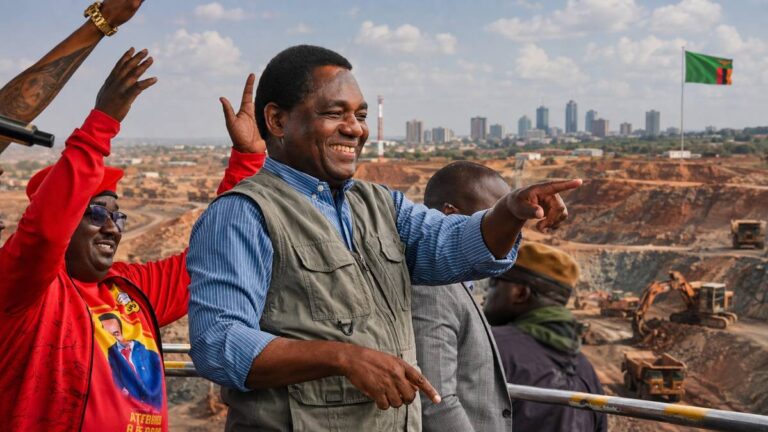
Zambia’s copper boom is entering a critical phase as President Hakainde Hichilema begins a second term focused on investment, production and local value.
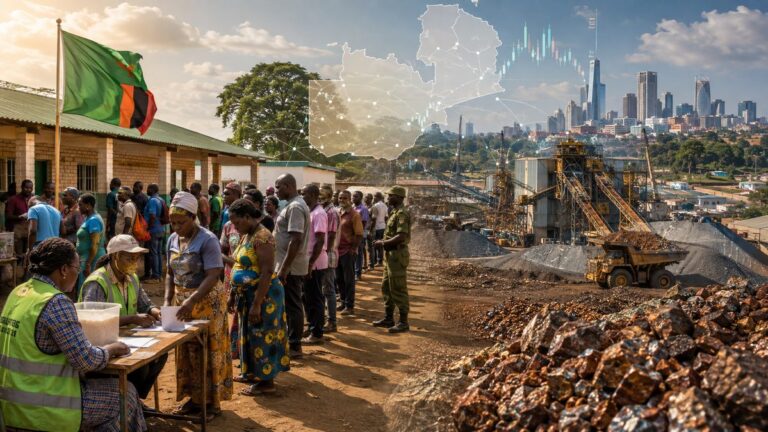
Zambia’s election has put political stability, copper investment and economic reform under a sharper spotlight as investors await the final result.