Economy
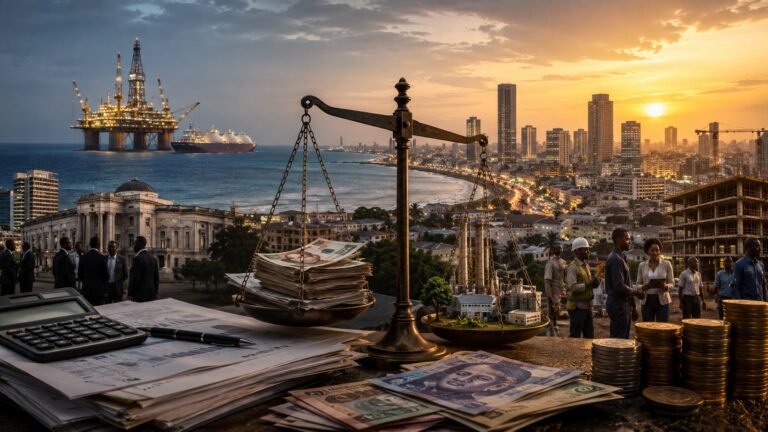
Senegal’s $13 billion debt reckoning: Who really owns Africa’s future?
Senegal’s debt restructuring is testing whether oil wealth can restore economic sovereignty or deepen dependence on external creditors and markets.
Senegal’s debt restructuring is testing whether oil wealth can restore economic sovereignty or deepen dependence on external creditors and markets.
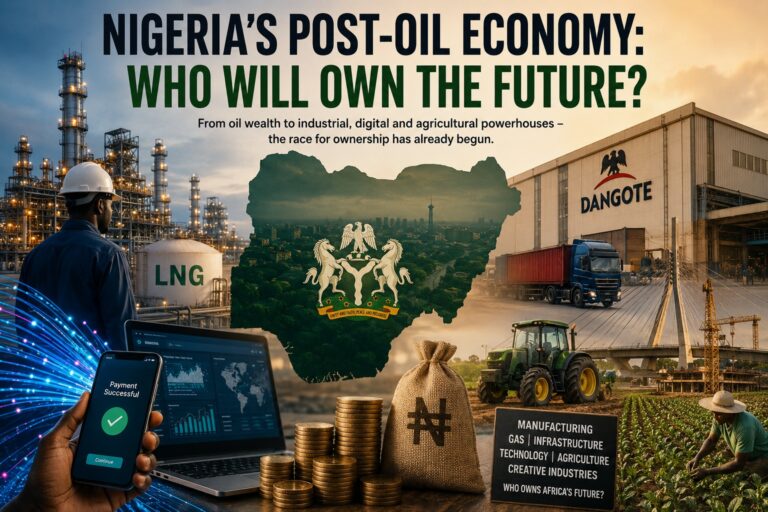
Nigeria’s post oil economy could create a new industrial elite, deepen foreign influence, or finally widen ownership among ordinary Nigerians.
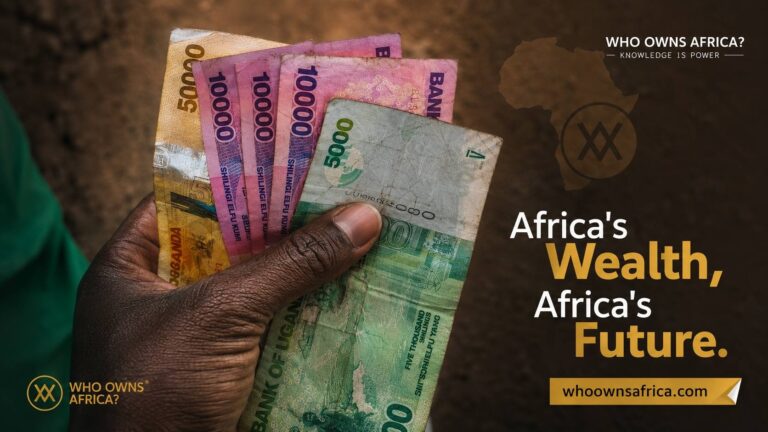
Uganda’s currency weakness and soaring fuel costs expose the deeper economic burden carried quietly by households, traders and small businesses.
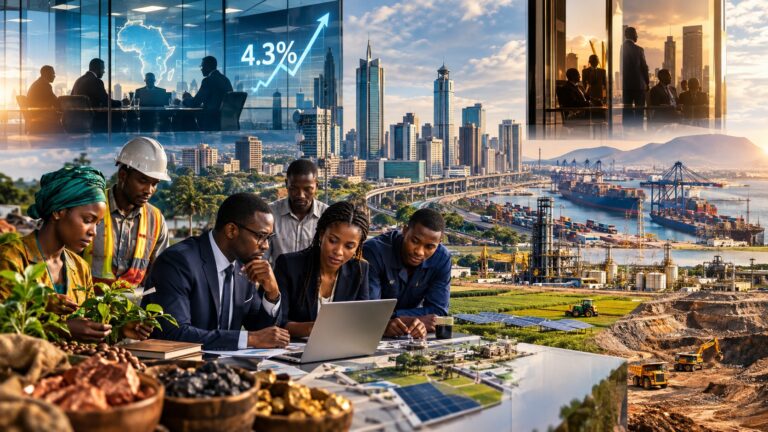
Africa's growth is accelerating, but the real contest is over who captures wealth, jobs, assets and economic power across societies.
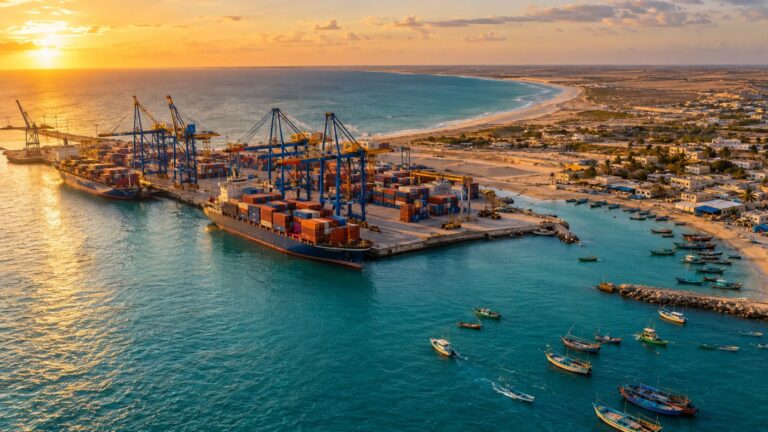
Somalia courts foreign capital for its untapped ports, fisheries and coastline, though security and governance risks still worry global investors.
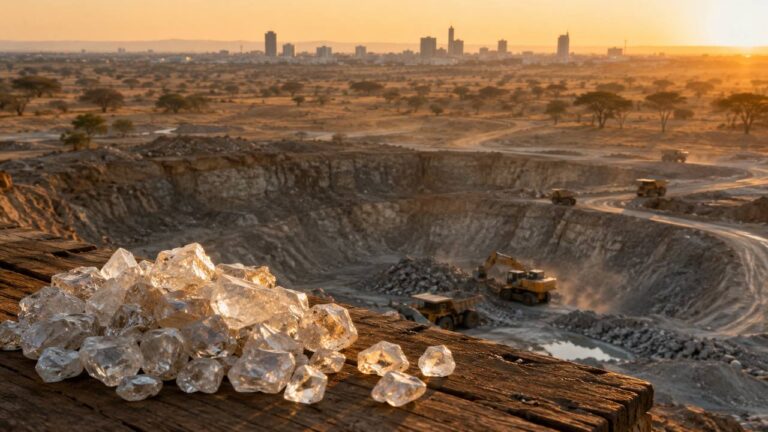
Botswana's diamond-reliant economy is projected to rebound in 2026, yet mounting public debt and weak global demand threaten lasting recovery.
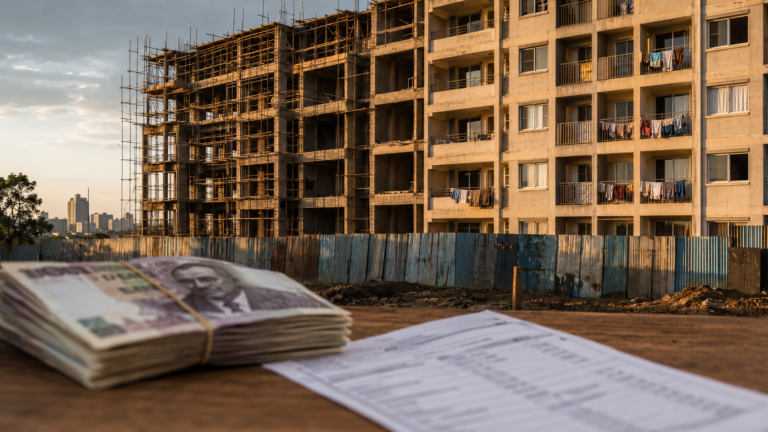
Billions flow from payslips into Kenya's housing fund each month, yet delivery lags, enforcement is thin, and new debt looms.
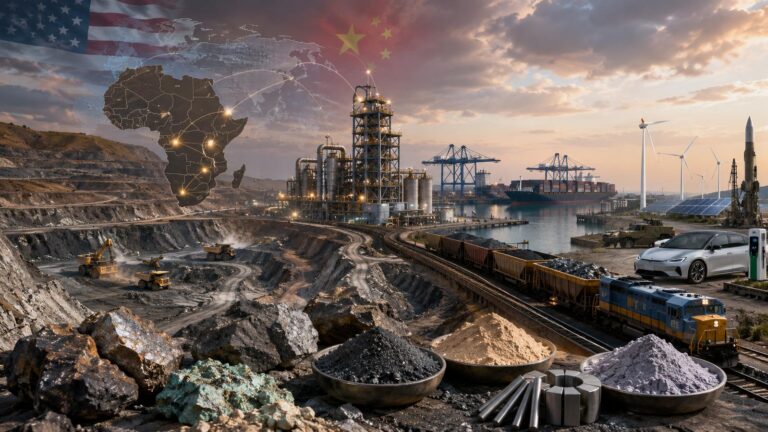
America deepens its African minerals push as Washington challenges China’s dominance and seeks secure critical mineral supply chains.

Rwanda's next economic leap will depend on productivity, private investment, exports and whether growth creates enough productive jobs.
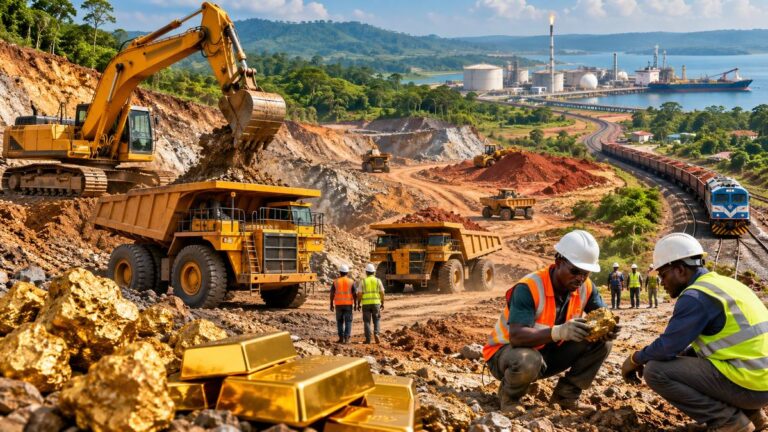
Cameroon is betting on a new generation of mines to transform public revenue and reduce its dependence on crude oil.