

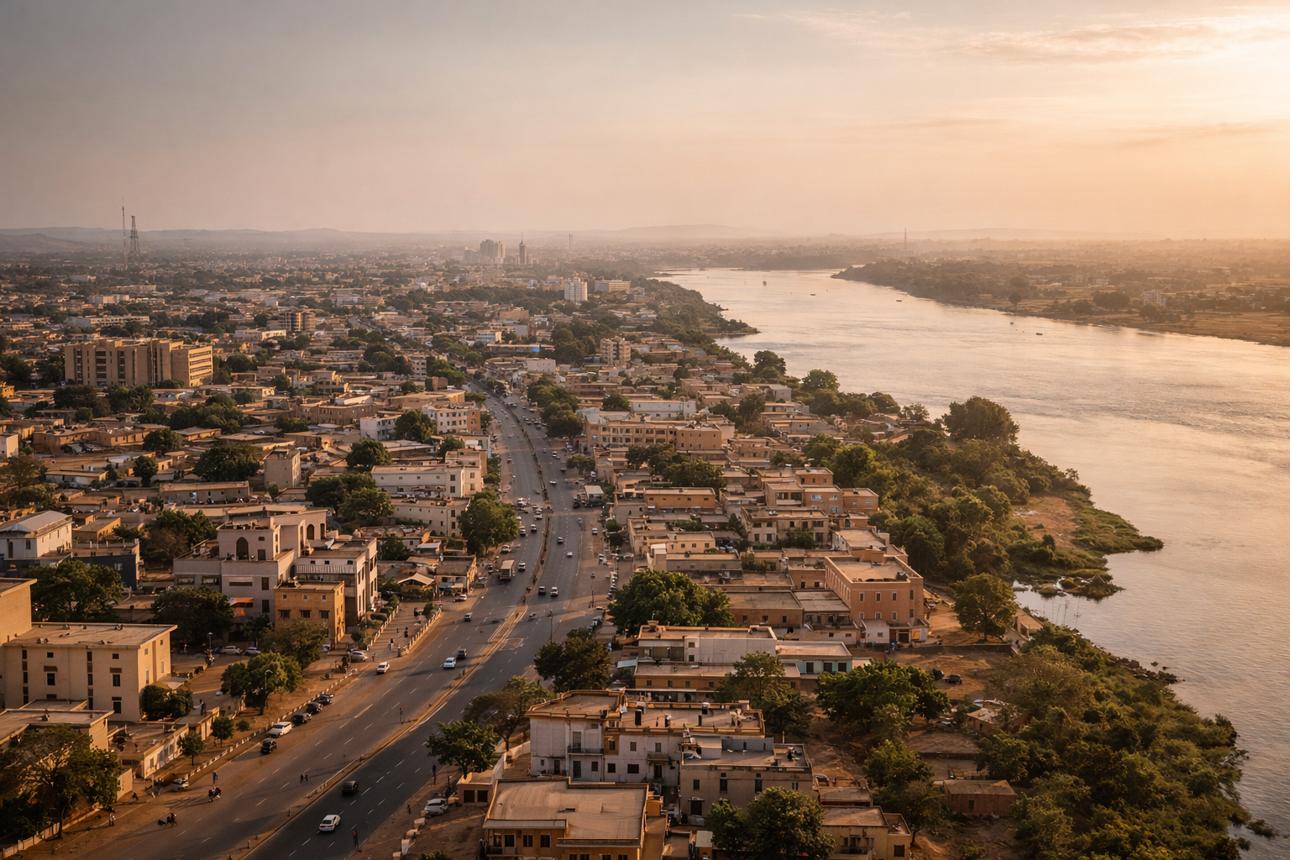
Africa’s next economic contest may not be decided in the traditional financial centres of London, Paris or New York. It may increasingly be shaped in places such as Niamey, where governments are reconsidering who controls their resources, who finances their development and what they are willing to offer international investors in return.
Niger’s first international investment forum, opening on November 24, 2026, represents more than an attempt to attract foreign capital. It reflects a deeper struggle over the ownership of economic opportunities, the terms of international partnerships and the future distribution of influence across the African continent.
Niger’s Investment Forum Is About More Than Money
Niamey is hosting the inaugural Niger Investment International Forum (F2IN 2026) from November 24 to 26, bringing together government representatives, investors, businesses and development partners.
Organised by Niger’s Ministry of Trade and Industry in collaboration with the Nigerien Agency for the Promotion of Private Investment and Strategic Projects (ANPIPS), with strategic support from the United Nations Development Programme (UNDP), the gathering has an ambitious economic agenda.
According to the UNDP, organisers expect approximately 1,000 participants, including nearly 300 investors from at least 30 countries. The government intends to present 50 investment projects across 13 strategic sectors, with a target of mobilising 5,500 billion CFA francs, approximately $9.6 billion, in investment commitments and agreements.
Those figures are ambitious targets, not confirmed investment inflows. That distinction matters.
The more consequential question is whether Niger can convert international interest into productive investments that generate employment, strengthen domestic industries and increase the country’s capacity to determine its economic future.
For African governments watching from elsewhere on the continent, the forum offers an interesting case study. It illustrates how investment promotion is becoming connected to questions of national sovereignty, resource ownership and geopolitical positioning.
The Investors Behind Africa’s Changing Economic Landscape
To understand who is investing in Niger, it is necessary to look beyond the list of companies attending the forum. The more important story concerns the different forms of capital competing for access to African markets and strategic resources.
China has established a significant economic presence in Niger, particularly through its involvement in the petroleum industry. Chinese state-linked energy interests have played a central role in developing Niger’s oil production and export infrastructure.
The Niger-Benin oil export pipeline has become particularly important. It connects Niger’s landlocked oil-producing regions to international markets through Benin’s Atlantic coast. The International Monetary Fund reported that 40.8 million barrels were exported through the port of Sèmè between January 2025 and May 2026.
This infrastructure demonstrates the strategic importance of Chinese investment in a country whose geographical limitations make access to international markets essential.
France, meanwhile, represents a different chapter in Niger’s investment history. For decades, French interests were closely associated with the country’s uranium industry through Orano, the French nuclear fuel company formerly known as Areva.
However, the relationship has deteriorated following Niger’s 2023 military coup and subsequent disputes over resource ownership.
Niger’s nationalisation of the SOMAIR uranium mining company marked a significant development in that relationship. The IMF has also documented the nationalisation of other enterprises and the international arbitration involving former SOMAIR shareholders.
This is an important distinction. Niger is not simply seeking additional investors. It is reconsidering the arrangements under which foreign companies access and develop its natural resources.
International financial institutions also remain influential. The IMF continues to provide financing and policy support, while the World Bank remains involved in development and economic transformation programmes.
The UNDP’s strategic support for the investment forum demonstrates another dimension of international engagement: development institutions can help governments prepare projects, connect with investors and improve the conditions for private investment.
These relationships are not interchangeable. A mining company, a development bank, a foreign government and an infrastructure investor pursue different objectives, operate under different financial arrangements and carry different levels of risk.
The challenge for Niger is to ensure that these competing interests produce economic benefits that extend beyond the companies and governments providing the capital.
Economic Sovereignty Meets the Realities of Global Competition
The language surrounding Niger’s investment forum is particularly revealing.
Its central theme, building strategic partnerships for a prosperous Niger and sustainable economic sovereignty, reflects a political and economic ambition that has gained prominence across parts of Africa.
For years, African countries have attracted foreign investment through tax incentives, mineral concessions, infrastructure agreements and access to domestic markets. Yet the distribution of economic benefits has frequently remained uneven.
Countries have exported valuable commodities while importing expensive manufactured products. Mining operations have generated foreign exchange, but surrounding communities have not always experienced comparable improvements in employment, infrastructure and public services.
Niger’s leadership appears determined to reconsider this relationship.
Economic sovereignty, however, should not be confused with economic isolation.
A country can exercise greater control over its natural resources while remaining open to international partnerships. The real test is whether it possesses the institutions, technical expertise, financial capacity and negotiating strength to secure better terms.
This is where Niger faces a difficult balancing act.
The government wants greater national control over strategic assets, but developing mines, petroleum infrastructure, electricity systems and industrial facilities requires considerable financing and specialised expertise.
International investors, meanwhile, need predictable regulations, enforceable contracts and confidence that their investments will be protected.
Neither side can achieve its objectives sustainably without the other.
A successful investment strategy must therefore move beyond political declarations and establish a framework in which national interests and commercial expectations can coexist.
Why Niger’s Natural Resources Matter to Investors
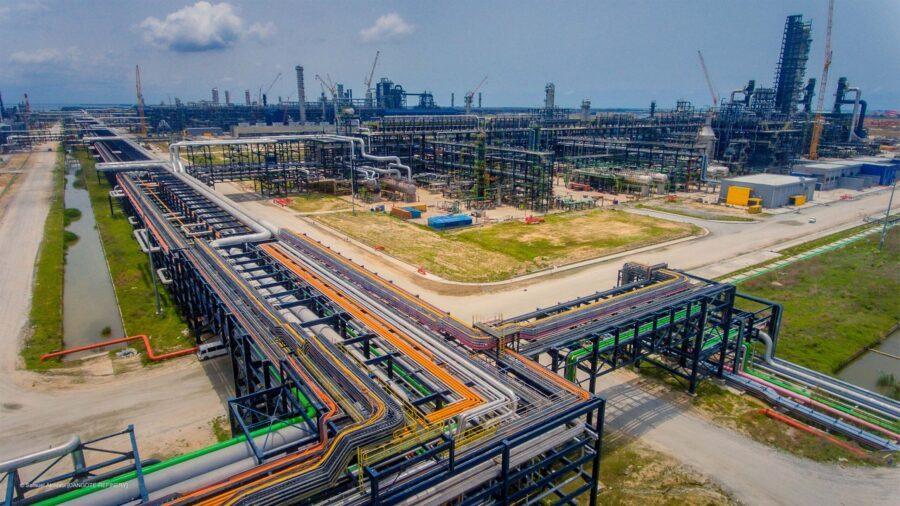
Niger’s investment appeal rests partly on its strategic natural resources.
Uranium has historically been one of its most internationally significant exports, particularly because of its importance to nuclear energy supply chains.
The country’s petroleum industry has also become increasingly important. Large-scale oil exports helped drive the economic recovery recorded in 2024 and 2025.
According to the World Bank, Niger’s economy expanded by 8.4% in 2024, supported by oil exports and strong agricultural production. The IMF subsequently estimated growth at 6.9% in 2025.
These figures illustrate why investors may view Niger differently from a country whose economic prospects depend primarily on domestic consumption.
Its natural resources offer opportunities in extraction, processing, transport, energy generation and associated industrial services.
The investment forum’s 13 sectors also extend beyond extractive industries, creating potential opportunities in agriculture, manufacturing, digital technology, tourism and other productive activities.
That diversification is important.
If Niger attracts investment only into oil and mining, it risks reproducing an economic structure in which export earnings depend heavily on a limited number of commodities.
Commodity prices fluctuate. Production can be interrupted. International demand can change. Revenue concentration also makes public spending vulnerable to external shocks.
The more sustainable opportunity lies in using revenues from natural resources to build industries that can continue generating economic value even when commodity markets weaken.
The Sahel’s Changing Political Relationships
Niger’s investment ambitions cannot be separated from the political transformation taking place across the Sahel.
Following the military coups in Mali, Burkina Faso and Niger, the three countries established the Alliance of Sahel States (AES), seeking closer political, security and economic cooperation.
Their withdrawal from the Economic Community of West African States (ECOWAS) became effective on January 29, 2025. ECOWAS nevertheless maintained transitional arrangements for citizens and trade while keeping its doors open to the three countries.
This development has altered the regional political environment in which investors must operate.
For businesses, political relationships are not abstract diplomatic matters. They influence access to markets, movement of goods, customs procedures, financial transactions and the reliability of transport corridors.
Niger’s landlocked position makes these issues particularly important.
Its economy depends on regional transport infrastructure to reach international markets. The relationship with neighbouring countries, especially Benin, therefore has direct consequences for investment decisions.
The IMF has identified disruptions to export corridors and the prolonged border closure with Benin as significant economic challenges.
Investors considering Niger must consequently assess more than the profitability of an individual project. They must also evaluate the political and logistical environment connecting that project to regional and international markets.
For Niger, strengthening regional commercial relationships may ultimately be just as important as attracting new investors from distant economies.
Security and Investor Confidence Remain Major Obstacles
There is an important contradiction at the centre of Niger’s investment ambitions.
The country possesses valuable natural resources, emerging oil-export capacity and opportunities in agriculture and infrastructure. Yet it also faces serious security, institutional and logistical challenges.
The security situation across parts of the Sahel remains difficult, with armed groups continuing to threaten communities, infrastructure and commercial activity.
The IMF’s 2026 assessment identifies insecurity, climate shocks, banking-sector weaknesses and disruptions to export routes among the principal risks facing Niger’s economy.
These risks have direct implications for investment.
A company considering a major agricultural processing facility, mining operation or industrial park needs confidence that workers can operate safely, equipment can be transported and products can reach their intended markets.
Security expenditure can also compete with spending on education, healthcare, electricity and infrastructure.
This creates a difficult development equation. Niger needs investment to strengthen its economy, but investors need a sufficiently stable economic and security environment before committing substantial resources.
Political predictability is equally important.
Foreign companies will want clarity on ownership arrangements, taxation, licences, dispute resolution and the treatment of existing contracts.
Niger’s efforts to increase state control over strategic resources may appeal to domestic audiences seeking greater economic independence. However, if changes in ownership or regulation are perceived as unpredictable, some investors may demand higher returns to compensate for the additional risk.
Others may choose alternative destinations.
The government’s challenge is to demonstrate that economic sovereignty can coexist with credible legal protections and commercially sustainable investment arrangements.
The Opportunity Lies Beyond Oil and Uranium
One of the most important questions surrounding the Niamey forum is whether investment will reach sectors that directly affect ordinary citizens.
Oil and uranium can generate substantial revenues, but they cannot independently create a diversified economy.
Agriculture remains particularly important. It provides livelihoods for a large proportion of Niger’s population and is highly exposed to rainfall variability, drought and climate-related shocks.
Investment in irrigation, agricultural storage, fertiliser distribution, food processing and transport could have a much wider economic impact than investment concentrated exclusively in resource extraction.
There are also opportunities in electricity generation, renewable energy, telecommunications and digital services.
For businesses, these sectors offer opportunities to serve growing demand while building the foundations for wider industrial development.
For the government, they provide an opportunity to transform natural-resource revenues into productive economic capacity.
The proposed industrial and special economic zones, including the sites identified for investor visits at Bougoum and Yawaré, could become important components of that strategy. Their success, however, will depend on infrastructure, electricity supply, transport connections, skills development and access to finance.
An industrial zone without reliable electricity or access to markets is unlikely to attract sustainable manufacturing investment.
Similarly, agricultural investment will struggle to generate lasting returns without dependable transport, storage and processing infrastructure.
The measure of success should therefore not be the number of projects announced, but the number that become operational and create lasting economic activity.
What Niger’s Ambitions Mean for the Rest of Africa
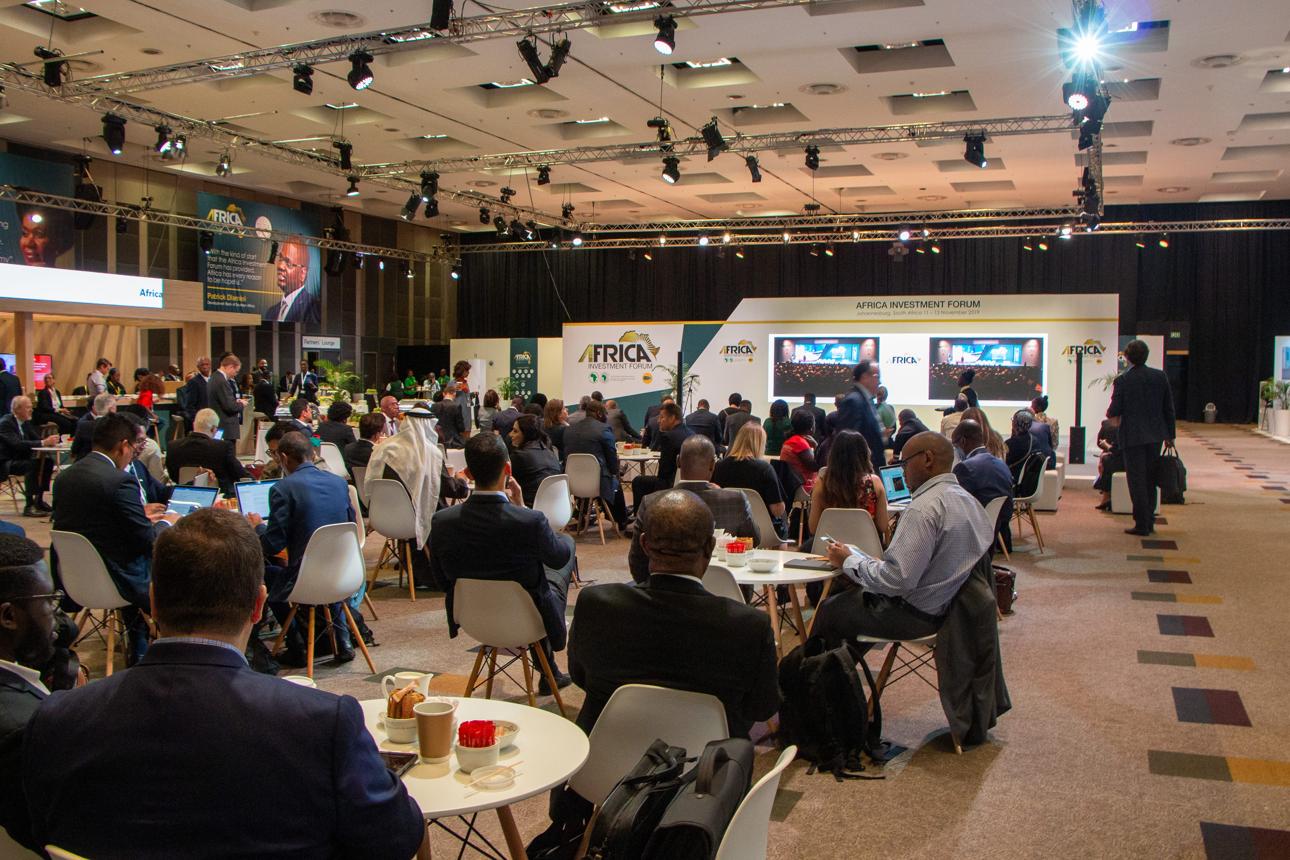
Niger’s investment strategy raises questions that extend well beyond its borders.
Across Africa, governments are increasingly examining how to secure greater value from natural resources, attract manufacturing investment and reduce dependence on the export of unprocessed commodities.
The continent’s economic future will depend partly on whether it can negotiate partnerships that transfer technology, develop local expertise and expand domestic industrial capacity.
There is also a growing opportunity for African investors themselves.
Businesses from Nigeria, Ghana, South Africa, Kenya, Morocco, Egypt and other African markets could potentially participate in projects involving construction, financial services, agricultural technology, logistics, telecommunications and manufacturing.
African investment should not be treated as secondary to capital from China, Europe, the United States or the Gulf.
Regional companies often understand local markets, commercial practices and consumer needs. They can also help develop supply chains connecting neighbouring economies.
For East African businesses, Niger’s ambitions provide a reminder that economic opportunities are not limited to the continent’s established commercial centres.
However, translating that possibility into meaningful investment will require stronger regional financial connections, reliable trade corridors and commercially practical arrangements.
The African Continental Free Trade Area offers a broader framework for expanding intra-African trade and investment, although its practical benefits depend on implementation, infrastructure and cooperation between governments.
Niger’s experience could contribute to a wider debate about how African countries balance international partnerships with stronger continental economic integration.
Who Ultimately Benefits From the Investment?
Perhaps the most important question is not how much money Niger can attract, but who will benefit from it.
Investment announcements are politically attractive. They demonstrate international interest and create expectations of economic transformation.
But financial commitments do not automatically translate into factories, jobs, improved public services or higher household incomes.
A project may be commercially successful while creating relatively few local jobs. A mining operation may generate export revenue without establishing substantial domestic processing capacity.
A large infrastructure agreement may increase public debt without producing sufficient economic returns.
These possibilities make transparency essential.
The government should communicate which projects have received financing, which have signed binding agreements, which remain under negotiation and which have actually started implementation.
It should also provide information about local employment, taxation, environmental protections, procurement opportunities and the distribution of project revenues.
For citizens, these are more meaningful indicators of economic sovereignty than the nationality of the investors.
A genuinely successful partnership should improve the country’s productive capacity while creating opportunities for local businesses and workers.
The same principle applies to international investors. Long-term commercial success is more sustainable when projects contribute to the development of the markets and communities in which they operate.
The Next African Investment Contest
Niger’s first international investment forum arrives at a moment when the relationship between Africa and international capital is being reconsidered.
The continent remains attractive because of its natural resources, expanding consumer markets, infrastructure requirements, agricultural potential and strategic position in global supply chains.
Yet investors are also becoming more conscious of political risks, infrastructure limitations, regulatory uncertainty and competition between countries seeking the same capital.
Niger’s ambition to mobilise approximately $9.6 billion in investment commitments is therefore a significant test of its economic strategy.
The country must demonstrate that it can turn resource wealth into productive industries, attract investors without surrendering its long-term economic interests and create opportunities that reach beyond government institutions and major corporations.
The forum also raises a larger question for African policymakers: should success be measured by how much foreign capital enters a country, or by how much economic power remains within it after the investment has been made?
That distinction may define the next chapter of African economic development.
The real competition is not simply between China, Europe, America or emerging investment partners for access to African resources. It is between different models of economic partnership, and between African governments’ ability to negotiate those relationships on their own terms.
Niger has opened an important conversation in Niamey. Whether that conversation produces a new investment model or another collection of ambitious announcements will depend on what happens after the delegates leave.
For Africa, the lesson is clear: attracting capital is important, but building the economic capacity to control its benefits is even more important.

More from Economy
Africa has billions in pension Savings. Why isn’t this money building African businesses?
Africa's pension funds hold vast pools of capital, yet the continent's businesses remain starved of financing to manufacture, expand and compete.
Senegal’s $13 billion debt reckoning: Who really owns Africa’s future?
Senegal’s debt restructuring is testing whether oil wealth can restore economic sovereignty or deepen dependence on external creditors and markets.
Nigeria says it is breaking free from oil, but who will own the new economy?
Nigeria’s post oil economy could create a new industrial elite, deepen foreign influence, or finally widen ownership among ordinary Nigerians.