

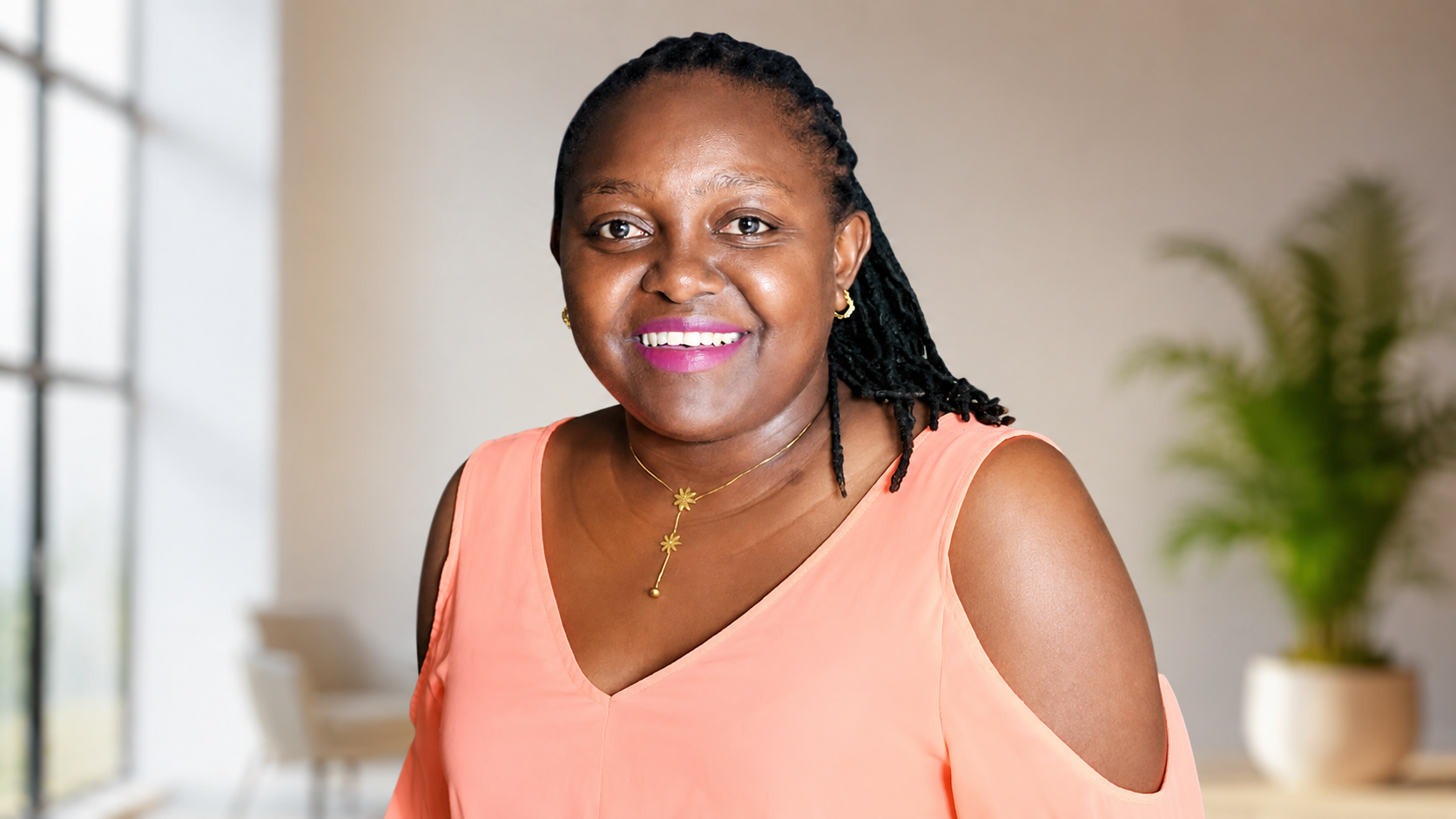
Rose Ngina Kagendo, a 36-year-old Kenyan teacher and speech therapy specialist, is seeking KSh 6 million for a second bone marrow transplant after a rare form of leukemia returned just 156 days after her first transplant.
Kagendo is battling early T-cell precursor acute lymphoblastic leukemia, known as ETP T-ALL. It is a rare subtype of acute lymphoblastic leukemia that can be particularly difficult to treat because of its aggressive nature and risk of relapse.
Her latest health crisis has forced her family to launch another fundraising appeal after an earlier campaign helped finance her treatment abroad.
From treatment to remission
Kagendo previously travelled to India for a bone marrow transplant.
After the procedure, she entered remission and began the long process of recovering from intensive cancer treatment.
For a time, life appeared to be moving forward.
Then, 156 days after the transplant, doctors discovered that the leukemia had returned.
The relapse has forced Kagendo back into treatment and placed another heavy financial burden on her family.
She is now receiving treatment at Aga Khan University Hospital in Nairobi. Doctors are working to bring the disease under control and achieve another remission.
If successful, Kagendo is expected to travel to India for a second bone marrow transplant.
Her family and supporters estimate that the treatment will cost about KSh 6 million, equivalent to approximately $46,000.
A career built around helping children
Before her illness took over her life, Kagendo dedicated her career to helping children with disabilities.
As a teacher and speech therapy specialist, she has worked with children facing communication difficulties.
Her work has helped children develop communication skills, express themselves and participate more confidently in everyday life.
Now, the person who spent her career helping others find their voices is asking the public to help her through one of the most difficult periods of her life.
The financial burden
A second bone marrow transplant comes with substantial medical costs.
For Kagendo’s family, those costs have arrived after months of treatment, travel and recovery expenses linked to her first transplant.
The family had already appealed for public support during her initial treatment journey.
Having to ask for help again has been difficult, her supporters say.
But with the leukemia having returned, the family faces few alternatives.
They are now appealing to individuals, businesses, organisations and well-wishers to help raise the KSh 6 million required for her next stage of treatment.
What is ETP T-ALL?
Early T-cell precursor acute lymphoblastic leukemia is a rare form of blood cancer that develops from immature T-cell precursor cells.
It can be challenging to treat and may require intensive therapy. When the disease returns after treatment, patients may face additional rounds of chemotherapy and other specialised treatments.
In Kagendo’s case, doctors are working to achieve another remission before she can undergo a second transplant.
Her experience also highlights the challenges faced by families dealing with rare cancers, particularly when specialised treatment is expensive or requires care outside the country.
A call for support
Kagendo’s supporters say medical reports, treatment records and other documentation relating to her condition are available to those seeking further information.
The immediate goal is to raise enough money for her treatment and second bone marrow transplant.
Supporters are asking members of the public to contribute where possible, share her story and help connect the family with potential donors and organisations that may be able to assist.
For Kagendo, the road ahead remains uncertain.
But her family is hoping that public support can give her another opportunity to achieve remission and continue the life she was building before the disease returned.
Her story is about more than the cost of cancer treatment. It is also about resilience, community and the power of people coming together when one family cannot carry the burden alone.
A teacher who has spent years helping children communicate is now counting on others to help amplify her own voice.

More from Health

How COVID-19 changed the way businesses operate across Africa
The pandemic exposed deep weaknesses in Africa’s business environment while accelerating digital commerce, financial technology and new ideas about economic resilience.