

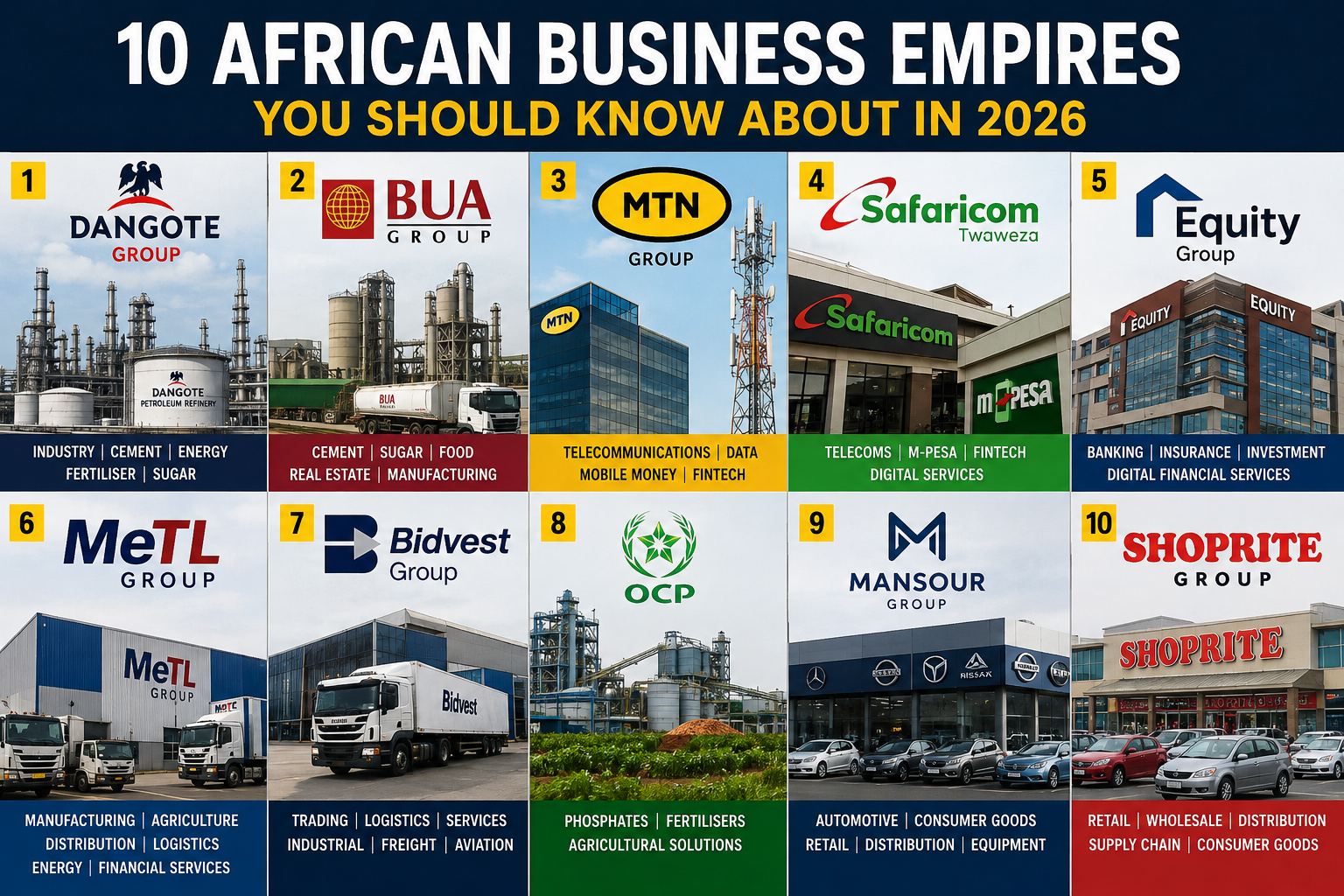
Africa’s economic story is often told through its challenges, but behind the headlines is a powerful network of business empires building banks, factories, telecommunications infrastructure, consumer brands and financial systems that increasingly shape how the continent works, trades and competes.
Africa’s most influential business groups are not necessarily the loudest or the most visible. Some operate quietly behind the infrastructure of daily life, financing businesses, supplying cement, moving money, distributing food, connecting millions of people and building industrial capacity across national borders.
Their influence extends beyond company balance sheets. These businesses determine where capital flows, which industries expand, how many people find employment, what products reach consumers and whether African economies can build more of what they consume.
In 2027, understanding Africa’s major business empires means looking beyond individual billionaires and examining the institutions, strategies and commercial networks gradually reshaping the continent’s economic landscape.
Here are ten business empires worth understanding, not merely for their size, but for what they reveal about Africa’s economic ambitions.
1. Dangote Group: Building an Industrial Continent Within a Continent
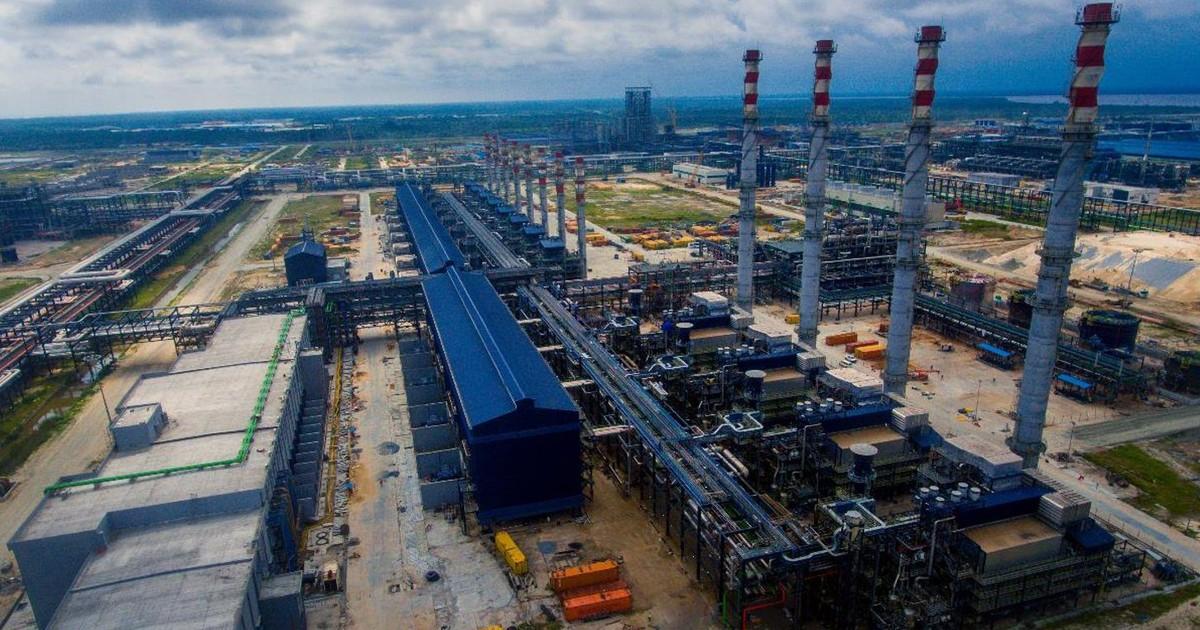
Nigeria’s Dangote Group is one of Africa’s most ambitious industrial conglomerates. Built by Aliko Dangote, the group has expanded from commodity trading into cement, sugar, flour, salt, fertiliser, energy and large-scale manufacturing.
Its strategy has been relatively straightforward but difficult to execute: identify products Africa imports in enormous quantities, build domestic capacity and use scale to compete with imports.
Dangote Cement is a central pillar of this strategy, with operations across several African markets. The group’s petroleum ambitions have taken it into an even more consequential arena, with its refinery designed to change Nigeria’s relationship with imported fuel.
The refinery’s significance goes beyond commercial interests. Nigeria has historically exported crude oil while importing substantial quantities of refined petroleum products, exposing its economy to foreign exchange pressures, supply disruptions and international price movements.
Domestic refining offers the possibility of reversing part of that relationship, although production, distribution, crude supply, pricing and financing remain important variables.
Dangote’s empire demonstrates how private capital can help build infrastructure traditionally associated with governments. But it also raises a larger question: can industrial development driven by a single dominant business group create competitive markets, or risks concentrating too much economic power?
Its success will ultimately be measured not only by its owner’s wealth, but by whether it lowers costs, creates industries, develops suppliers and makes Nigerian production more competitive.
Dangote is betting that Africa’s biggest commercial opportunity may lie in manufacturing what it has historically imported.
2. BUA Group: Challenging the Established Industrial Order
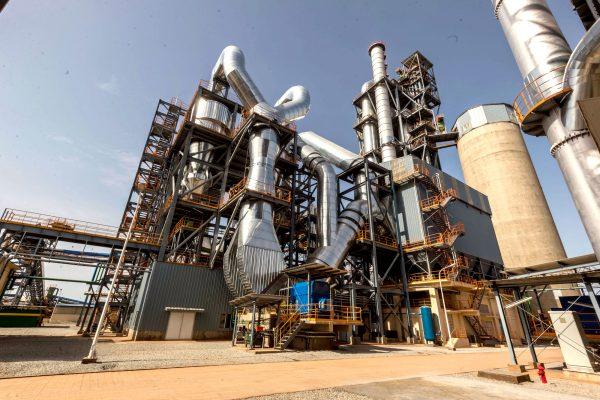
If Dangote represents the scale of Nigeria’s industrial ambition, BUA represents the competitive pressure that ambition needs.
Founded and led by Abdul Samad Rabiu, BUA has become a major force in cement, food processing, sugar refining and industrial manufacturing.
Its expansion into cement and food industries places it in markets that directly affect the cost of living and the pace of construction. Cement prices influence housing, infrastructure and commercial development, while sugar and food production affect households and manufacturers.
BUA’s growth is particularly significant because African economies need more than dominant companies. They need competition between companies capable of investing at scale.
A market with multiple well-capitalised producers can encourage investment, improve supply resilience and potentially create pressure on prices. However, competition does not automatically translate into affordable products, particularly where energy, logistics, foreign exchange, transport and imported machinery remain expensive.
BUA’s industrial expansion also highlights a recurring challenge in Africa: building factories is only one part of manufacturing. Businesses must secure reliable electricity, transport raw materials, finance equipment, maintain distribution networks and survive currency volatility.
The group is therefore more than a corporate success story. It is a test of whether African industrialists can build competitive manufacturing businesses in environments where the cost of doing business remains structurally high.
BUA illustrates how industrial competition can become a force for economic transformation, rather than simply another measure of billionaire wealth.
3. MTN Group: The Invisible Infrastructure of African Commerce

MTN’s empire is built on something increasingly indispensable to modern economies: connectivity.
Operating across numerous African and Middle Eastern markets, the telecommunications group has evolved beyond mobile voice services into data infrastructure, digital platforms, fintech and enterprise connectivity.
Its economic importance is easy to underestimate because much of its infrastructure is invisible to consumers. Yet mobile networks support digital banking, online commerce, remote work, education, communication, entertainment and increasingly, public services.
MTN’s mobile money operations and digital financial ambitions reflect the convergence of telecommunications and banking. In markets where traditional banking access remains limited, mobile networks can become gateways to financial participation.
But this transformation is not without friction. Telecom operators require enormous investment in towers, fibre, spectrum, equipment and backup power. Currency depreciation can increase the cost of imported equipment, while regulators, taxes and affordability concerns can complicate expansion.
MTN also faces a changing competitive landscape. Traditional operators are no longer competing only with each other. They are competing for digital services, payments, customer attention and business data with banks, technology companies and fintech startups.
The group’s strategic importance therefore lies in its ability to become an essential layer of Africa’s digital economy without pricing millions of users out of access.
Telecommunications companies are becoming economic infrastructure providers, influencing how African businesses operate and how citizens participate in the digital economy.
4. Safaricom: From Mobile Network to Economic Ecosystem

Safaricom’s influence in Kenya is difficult to understand through telecommunications alone. Its commercial significance comes from how it connects communications, payments, commerce and financial services into one ecosystem.
The development of M-Pesa transformed mobile phones into financial tools for millions of people. Mobile money made it easier to transfer funds, pay merchants, receive salaries, settle bills and conduct transactions without relying exclusively on conventional banking infrastructure.
That transformation helped redefine the relationship between financial institutions and ordinary consumers.
M-Pesa also illustrates an important lesson in African business: innovation does not always require inventing an entirely new technology. Sometimes it involves adapting existing technology to solve a problem that established institutions have failed to address efficiently.
Safaricom’s next challenge is sustaining growth as Kenya’s digital economy becomes more sophisticated. Fintech competitors, regulation, customer expectations and technological change are putting pressure on its traditional sources of advantage.
Its future will depend on whether it can turn its customer relationships and transaction infrastructure into new businesses without weakening trust.
Safaricom’s reach also raises questions about competition, market dominance, data ownership and the power private companies hold over everyday financial activity.
Safaricom demonstrates how an African company can build a commercial ecosystem around a service that has become central to daily life.
5. Equity Group: Banking Beyond the Bank Branch
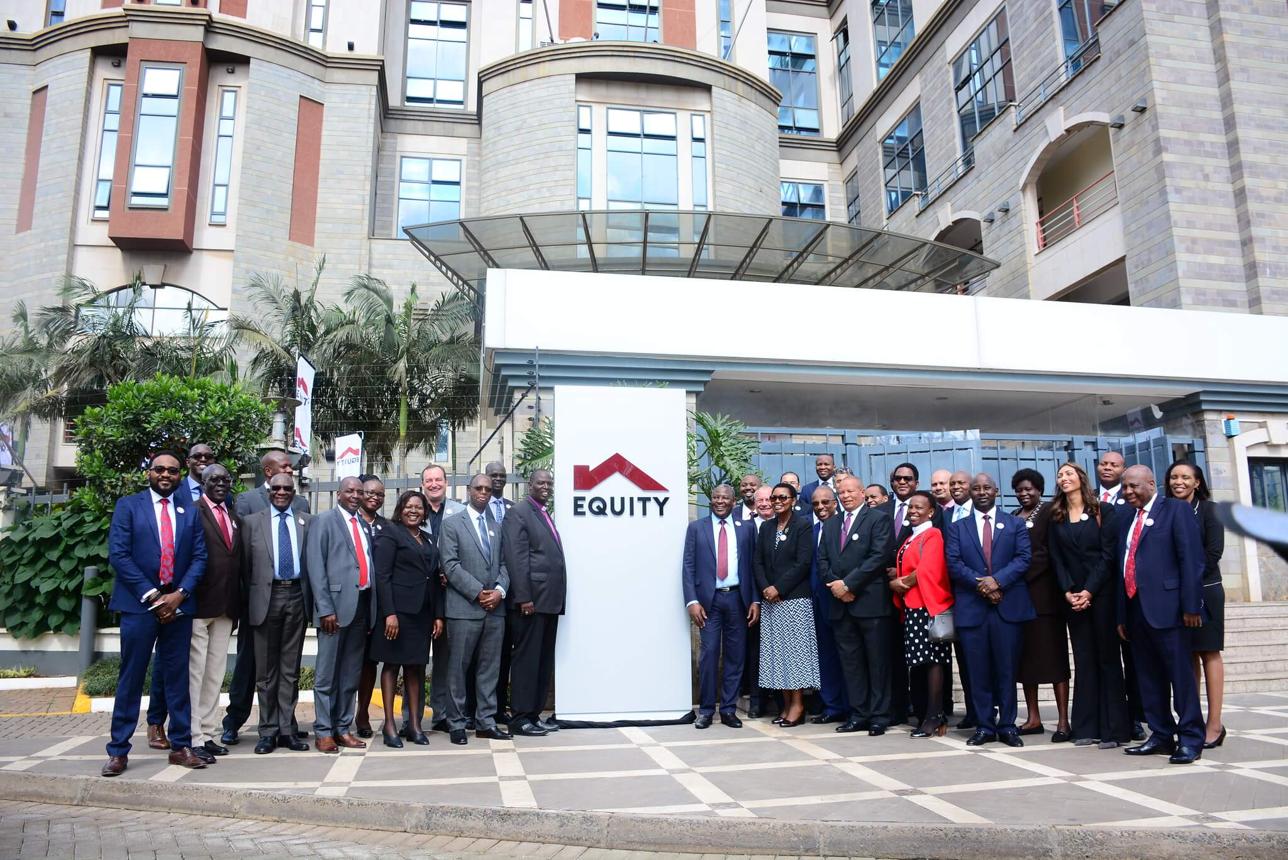
Equity Group’s story is closely connected to the transformation of banking from an exclusive service for established businesses and wealthier consumers into a broader platform for financial inclusion.
Under the leadership of James Mwangi, the group has expanded from its Kenyan base into regional markets, building an institution with interests across banking, insurance, investment and digital financial services.
Its approach has focused on serving small businesses, individuals, entrepreneurs and customers historically underserved by traditional banking models.
This matters because small and medium-sized businesses are among Africa’s largest potential sources of employment. Yet they frequently struggle with access to credit, financial records, affordable payments and capital for expansion.
Banks that can assess these customers, distribute financial products efficiently and manage risk at scale have the potential to unlock economic activity.
Equity’s regional ambitions also reflect the promise of cross-border African banking. A business operating in several countries should ideally be able to access financing, payments and financial services across those markets without facing unnecessary institutional barriers.
But expansion is not without risk. Regional banking exposes institutions to different currencies, regulations, political conditions, credit cycles and operational pressures.
The long-term opportunity lies in whether African financial institutions can build genuinely regional businesses instead of simply exporting brands into neighbouring countries.
African banking empires are increasingly positioned to finance the businesses and households that will determine the continent’s future economic growth.
6. MeTL Group: Tanzania’s Manufacturing Powerhouse
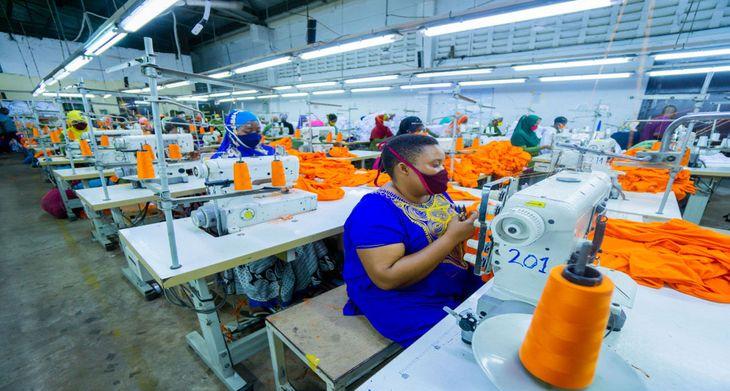
One of East Africa’s most consequential business empires is not based on technology or financial markets. It is built around manufacturing, distribution, agriculture and the products households use every day.
Led by Mohammed Dewji, MeTL Group has grown from a family trading business into a diversified conglomerate with interests in textiles, food processing, edible oils, beverages, logistics, petroleum, agriculture, real estate and financial services.
Its commercial strategy reflects an important principle: controlling production and distribution can be more valuable than simply trading finished goods.
The group has invested in manufacturing capacity, processing facilities, transport networks and consumer brands, allowing it to participate at multiple stages of the supply chain. This model creates opportunities to reduce reliance on imported finished products, build local industrial capacity and serve consumers through established distribution networks.
MeTL operates across multiple African countries and has built a substantial workforce. Its expansion reflects the growing ambitions of East African companies to compete beyond their domestic markets.
The group’s influence also reveals the importance of industrial diversification. Tanzania’s economy cannot rely exclusively on agriculture, tourism, mining or government spending. Manufacturing and value addition can create jobs, strengthen exports and reduce vulnerability to external shocks.
However, large privately controlled conglomerates also raise questions about transparency, competition, succession and the concentration of economic power. Their ability to operate across numerous sectors can be an advantage, but it can also make the wider economy dependent on a small number of corporate decision-makers.
MeTL’s significance lies in its attempt to turn local demand into a foundation for industrial growth.
7. Bidvest Group: The Empire Behind Business Operations
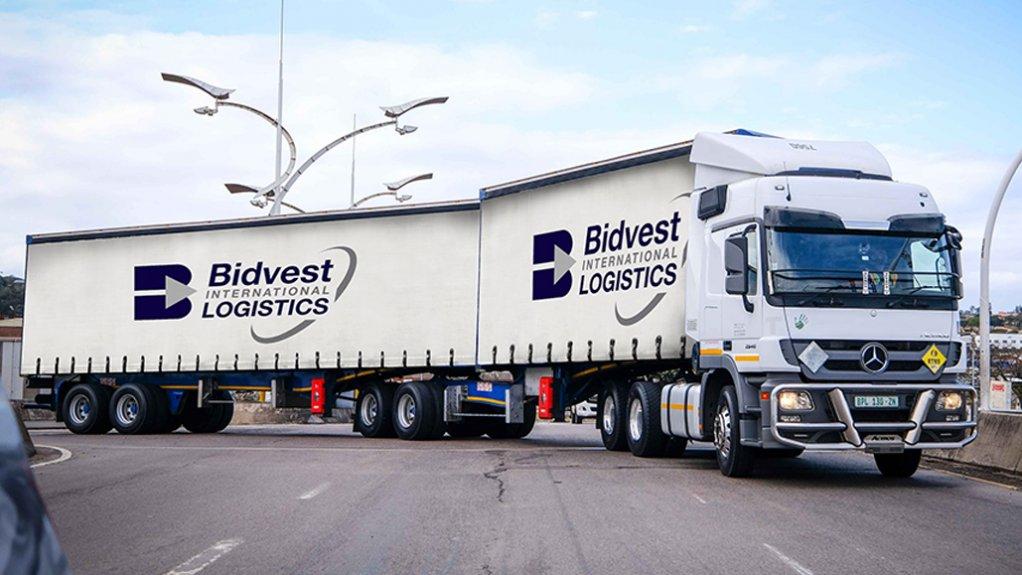
Not every business empire builds products that consumers recognise. Some become powerful by providing the services that other companies need to operate.
South Africa’s Bidvest Group has developed a diversified portfolio spanning trading, logistics, industrial services, freight, aviation services, facilities management and other business-to-business activities.
Its model is built around the less glamorous but economically essential parts of commerce. Businesses need warehouses, transport, procurement, equipment, maintenance, catering, distribution and operational support.
These activities may not attract the same attention as consumer technology or manufacturing, but they can create significant commercial value by improving efficiency and connecting supply chains.
Bidvest’s portfolio also illustrates the benefits of diversification. Operating across different industries can provide multiple sources of income and help reduce exposure to a downturn in any single sector.
Yet diversified conglomerates must manage a complicated challenge: ensuring that businesses operating under one corporate umbrella remain efficient, competitive and strategically coherent.
Expansion can create economies of scale, but it can also produce organisational complexity, capital misallocation and difficulty measuring performance.
Bidvest offers a different perspective on African corporate power. The continent’s business transformation is not only about building factories and consumer brands. It is also about constructing the commercial systems that allow entire industries to function.
The companies supporting supply chains, logistics and business operations can be just as strategically important as the businesses producing headline-grabbing consumer products.
8. OCP Group: Morocco’s Strategic Position in Global Food Security
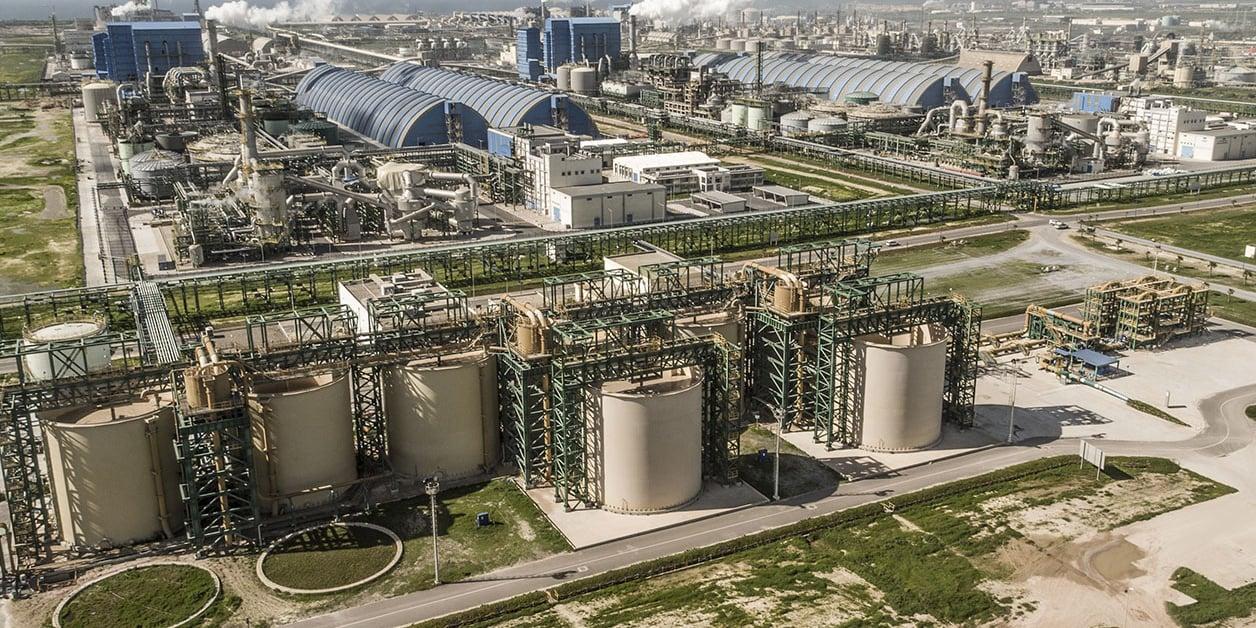
OCP Group occupies a strategically important position in the global economy because its business is connected to one of humanity’s most fundamental needs: food production.
Morocco holds some of the world’s largest phosphate reserves, a critical input in the production of fertilisers used to support agricultural productivity.
OCP has built an industrial and export business around phosphate extraction, processing, fertiliser manufacturing and agricultural solutions.
The group sits at the intersection of mineral wealth, geopolitics, industrial policy and food security. Global fertiliser supply disruptions can affect farming costs, food prices and agricultural output across countries that depend heavily on imports.
This creates both commercial opportunity and strategic responsibility.
African agriculture faces a complicated productivity challenge. Many farmers have limited access to quality inputs, credit, irrigation, storage and agricultural advice. Fertiliser availability alone cannot solve these problems, but access to appropriate inputs can be a critical part of improving yields.
OCP’s African expansion and agricultural partnerships therefore have implications beyond Morocco’s export earnings. They touch the continent’s capacity to feed its population and improve the economics of farming.
The company also illustrates how resource-rich African countries can move beyond exporting raw materials. Processing minerals, developing industrial expertise and building value-added products can capture a greater share of global value chains.
But the challenge is ensuring that resource wealth translates into broad economic benefits, including employment, technology development, environmental responsibility and stronger local industries.
OCP is a reminder that Africa’s mineral resources can be strategically important not only for energy and technology, but also for global food systems.
9. Mansour Group: Egypt’s Private-Sector Giant
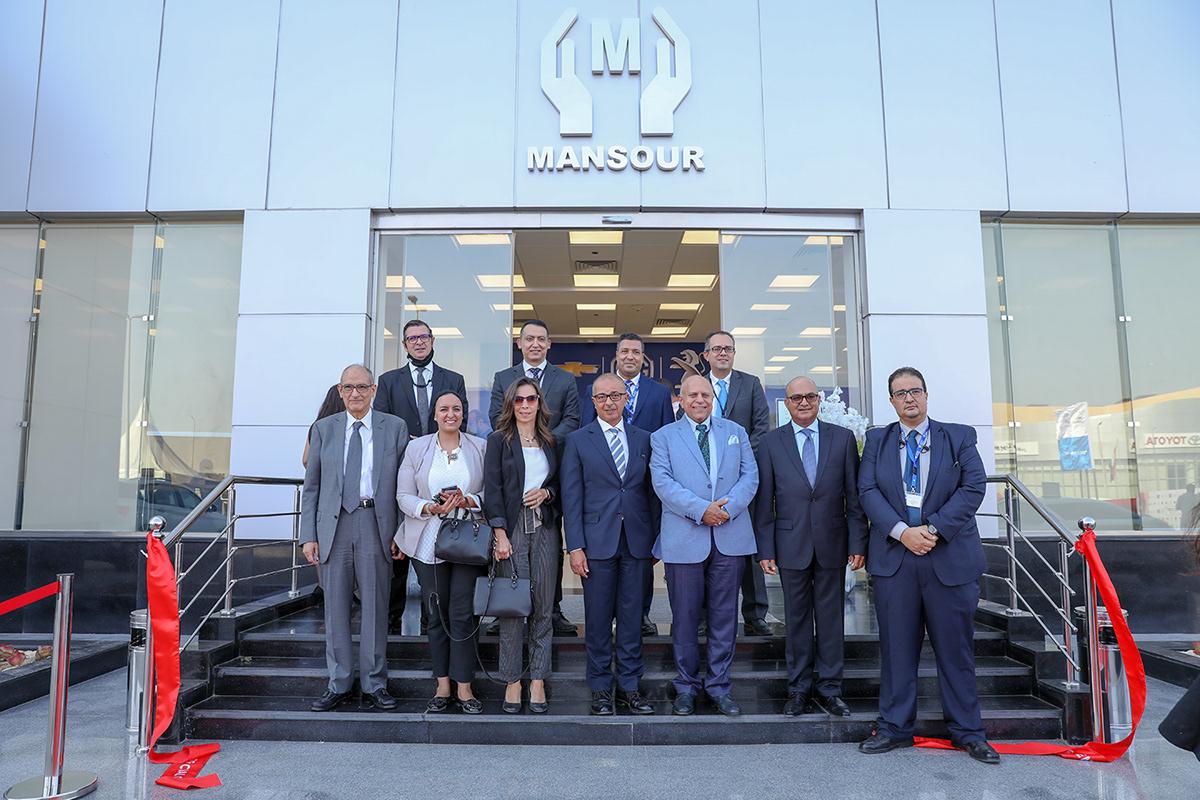
Egypt’s Mansour Group represents the commercial strength of diversified family-owned businesses that build their fortunes through distribution, consumer markets, international partnerships and long-term investments.
The group, associated with the Mansour family, has developed significant operations in automotive distribution, retail, consumer goods, equipment and other commercial activities.
Its business model is particularly instructive because distribution can be a formidable source of economic power in African markets.
Companies that understand consumer demand, maintain reliable logistics, secure international partnerships and establish extensive retail networks can create competitive advantages that are difficult for newcomers to replicate.
Mansour Group’s relationship with international brands also highlights a route through which African businesses can build scale. Rather than developing every product or technology independently, local companies can become powerful partners in manufacturing, distribution, retail and service delivery.
The strategic challenge is moving from being a distributor of global products to building more locally rooted value through employment, supplier development, manufacturing, technology transfer and consumer services.
As African consumer markets expand and urban populations grow, companies with established distribution networks could become even more influential.
But consumer purchasing power, currency depreciation, inflation and political uncertainty will continue to test the resilience of businesses operating in Egypt and across the region.
Mansour illustrates how distribution networks, consumer knowledge and international partnerships can become powerful foundations for African corporate wealth.
10. Shoprite Group: The Power of Feeding a Continent
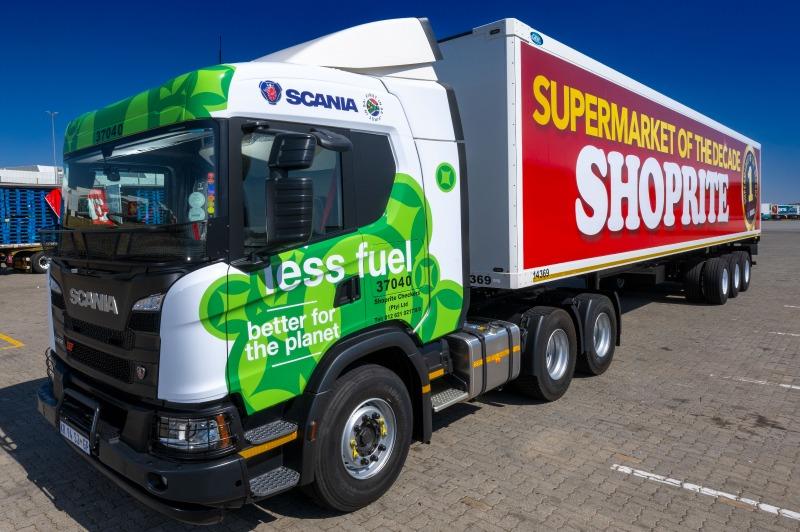
Shoprite’s business empire is built around a simple but economically powerful proposition: supplying food and essential goods to millions of households.
As one of Africa’s largest retail groups, Shoprite operates extensive supermarket, discount retail, wholesale and distribution networks. Its scale gives it significant influence over the movement of products from producers to consumers.
Retail is often viewed as a low-margin business, but at scale it becomes a sophisticated exercise in procurement, logistics, inventory management, pricing, technology and consumer behaviour.
Shoprite’s importance extends to agriculture and manufacturing. Retailers with large distribution systems can create demand for local producers, establish procurement standards and provide market access for suppliers.
That influence can help businesses grow, but it also creates questions about bargaining power. Small producers may benefit from access to major retail networks while facing demanding pricing, quality and delivery requirements.
Retail giants also operate under intense pressure. Consumers are sensitive to food prices, competitors are constantly adjusting their strategies, and supply chains remain exposed to fuel costs, climate disruptions, currency movements and logistics constraints.
Shoprite’s expansion and continued investment in its distribution capabilities illustrate why retail remains one of Africa’s most important commercial battlegrounds.
Food retailers are not merely selling groceries. They are shaping agricultural markets, consumer prices, supplier relationships and the structure of everyday commerce.
The Bigger Story: Africa’s Corporate Power Is Changing
These ten business empires represent different models of African capitalism. Some are family-controlled conglomerates. Others are publicly listed corporations whose shareholders extend across international markets. Their business interests range from essential consumer products to financial services, telecommunications, mineral processing and industrial manufacturing.
Their importance is not simply that they are large. It is that they increasingly occupy positions from which they can influence how African economies develop.
The rise of African-owned corporate groups challenges the assumption that the continent’s most important commercial decisions must be made by multinational corporations headquartered elsewhere. African entrepreneurs and institutions are increasingly building businesses capable of competing across borders, attracting investment and controlling critical parts of their own value chains.
Yet corporate expansion alone does not guarantee economic transformation.
A business empire can generate enormous wealth without necessarily creating proportionate opportunities for small businesses. It can build factories while remaining dependent on imported machinery. It can expand into new markets while operating in economies where millions of people remain excluded from formal employment and financial services.
The central question is therefore not how many billionaires Africa produces, how many companies reach billion-dollar valuations or how many countries a conglomerate enters.
The more important question is what these companies build around themselves.
Do they develop local suppliers? Train skilled workers? Transfer technology? Increase competition? Invest in productive capacity? Create industries capable of surviving beyond the founder’s generation?
These are the measures that distinguish commercial success from lasting economic development.
Africa needs powerful companies. It needs institutions capable of financing ambitious projects, building infrastructure, expanding manufacturing, competing internationally and creating employment at scale.
But it also needs markets in which that power is challenged, accountable and productive.
The next chapter of African capitalism will not be defined simply by the size of its business empires. It will be defined by whether those empires help build economies in which millions of other businesses can grow alongside them.
That is the real measure of wealth worth watching in 2027.

More from Magazine
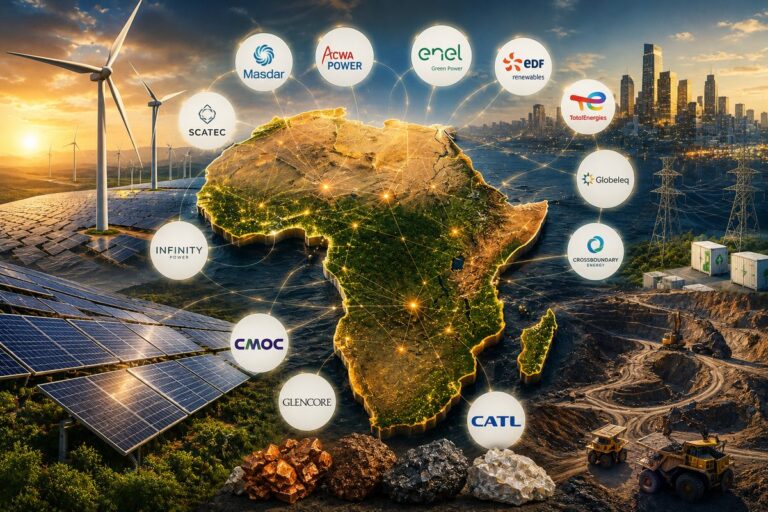
The 20 companies controlling Africa’s green energy future
From power plants and battery factories to mineral mines, these companies shape who captures Africa's clean-energy value and long-term profits.

Seychelles’ Aldabra giant tortoise population hits 180,000
Seychelles’ Aldabra tortoise recovery offers a powerful lesson in conservation, patience and why protecting ecosystems can matter beyond borders.

Who owns South Africa’s fuel infrastructure?
South Africa’s fuel shock exposes the hidden ownership, infrastructure and corporate power shaping prices paid by consumers and industry.