

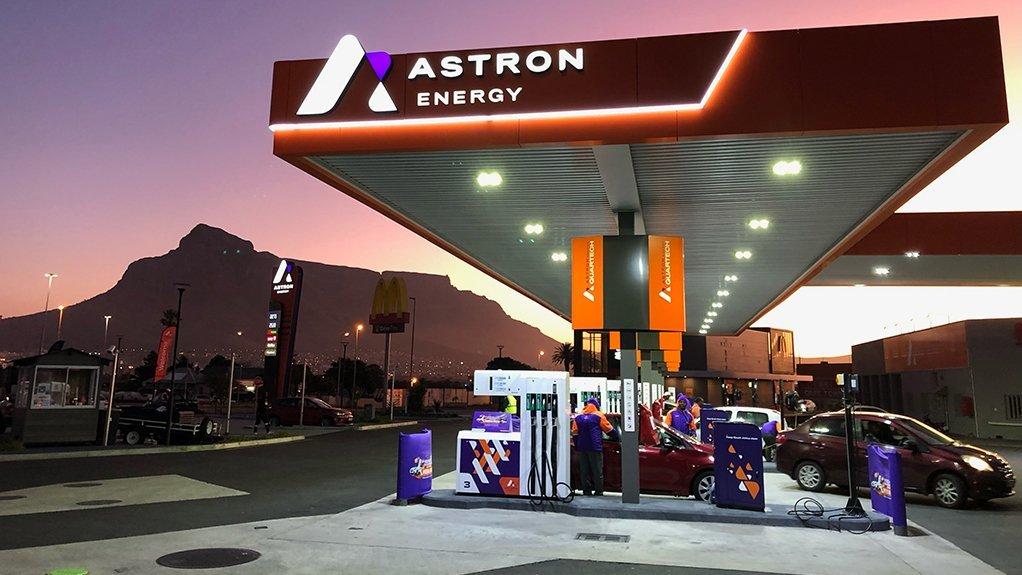
South Africa’s fuel industry is not controlled by a single oil company, nor are the prices motorists pay determined exclusively by the businesses whose logos appear above petrol pumps. Behind the country’s filling stations lies a complex economic structure involving multinational corporations, local empowerment investors, state-owned infrastructure, international commodity traders and government taxation.
The more revealing story is that ownership of the fuel business and control over the cost of fuel are two different forms of power. Understanding that distinction reveals who profits from the industry, who carries its risks and why South African motorists remain exposed to decisions made far beyond their borders.
The companies behind South Africa’s fuel industry
South Africa has one of the most established petroleum retail markets in Africa. Its familiar forecourt brands include Engen, Shell, BP, Astron Energy, TotalEnergies and Sasol. However, the companies behind these brands have undergone significant ownership changes, reflecting a broader shift in the international energy industry.
International oil majors are no longer the only dominant players. Global commodity traders, African investment groups and state-linked energy companies have become increasingly influential.
Some of the most important ownership arrangements include:
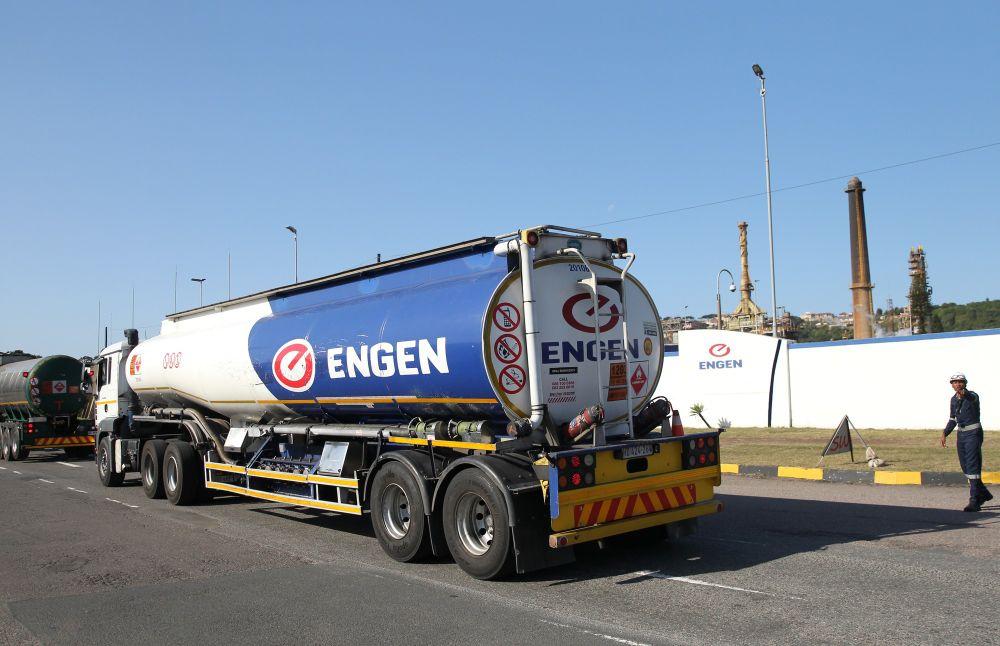
Engen: Engen is majority-owned by Vivo Energy, which is part of the international commodities trading group Vitol. Vivo Energy acquired PETRONAS’s 74% shareholding in May 2024. South Africa’s Phembani Group retains 21%, while an employee share ownership programme accounts for 5%. This means that although Engen remains a familiar South African brand, its controlling shareholder is connected to one of the world’s largest independent energy traders.
Shell: Shell’s South African downstream business is undergoing another major ownership transition. In July 2026, Shell agreed to sell Shell Downstream South Africa to Abu Dhabi National Oil Company for Distribution, commonly known as ADNOC Distribution. The proposed transaction, valued at approximately $1 billion in enterprise value, covers 580 company-owned and dealer-owned sites, together with wholesale fuel, aviation and lubricants operations. Completion is expected in 2027, subject to regulatory approvals. A 28% interest is expected to be transferred to a local empowerment partner and employee share ownership arrangements after completion. The Shell brand is expected to remain through a licensing agreement.
Astron Energy: Astron Energy is majority-owned by Swiss-based commodities and mining group Glencore, which holds 68% of the South African business. Off The Shelf Investments holds 23%, while employees own the remaining 9%. Astron operates the Cape Town refinery and has a substantial fuel distribution and retail presence. Its ownership illustrates how a global commodities company can have influence over a strategically important part of South Africa’s domestic fuel supply.
BP: BP Southern Africa remains an important participant in fuel marketing, wholesale distribution, storage and retail. The company operates more than 500 branded service stations and maintains significant distribution infrastructure. Its international parent is British multinational BP plc. However, BP’s historical ownership of the SAPREF refinery should not be confused with its current retail operations. The refinery assets were subsequently sold to South Africa’s Central Energy Fund.
TotalEnergies: TotalEnergies Marketing South Africa is 50.1% owned by French multinational TotalEnergies, with the remaining 49.9% held by South African shareholders. The company operates hundreds of service stations and supplies commercial and industrial customers. Its former minority interest in Natref was sold to the Prax Group, an important distinction when assessing current refinery ownership.
Sasol: Unlike most of the other major brands, Sasol has deep domestic roots. It is a South African-founded energy and chemicals company with interests spanning synthetic fuels, chemicals, refining, distribution and retail. It owns the Secunda coal-to-liquids facility and holds the majority interest in the Natref refinery.
These ownership arrangements reveal an industry in which international capital remains influential, but local investors and employees also participate in selected businesses.
Who owns the refineries?
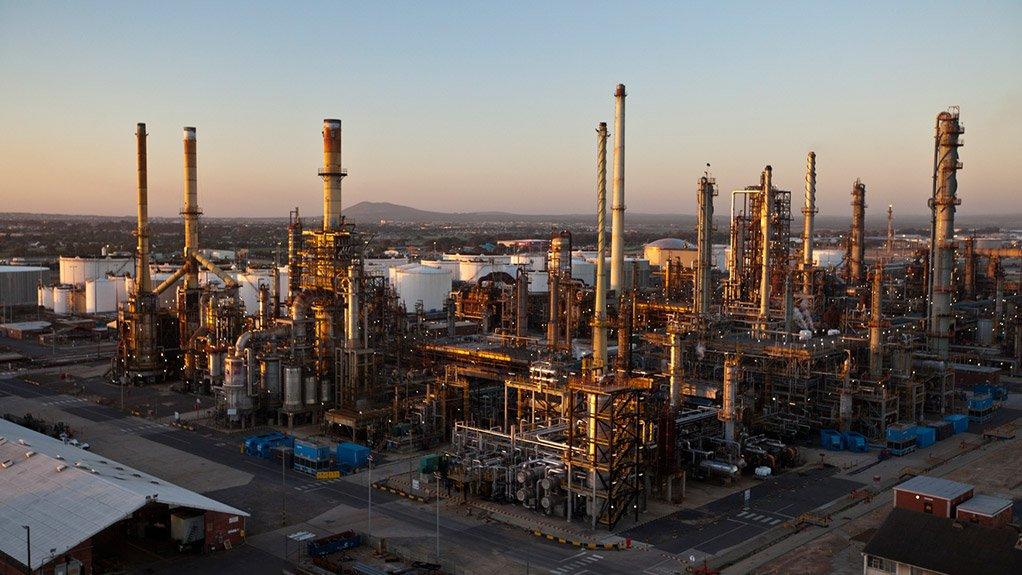
The most important question about fuel ownership is not necessarily who owns the petrol station. It is who controls the infrastructure that turns crude oil and other feedstocks into usable petroleum products.
Refineries are strategically important because they determine how much fuel a country can produce domestically, how much it must import and how vulnerable it becomes to international supply disruptions.
South Africa’s refining industry has experienced a significant decline.
The country historically developed substantial domestic refining capacity, but operational closures, ageing facilities, investment constraints and industrial accidents have weakened its ability to meet domestic demand.
The major facilities have different ownership arrangements.
Astron Energy’s Cape Town refinery is a major operational crude oil processing facility with an installed capacity of approximately 100,000 barrels per day. It is owned by Astron Energy, majority-controlled by Glencore.
Natref in Sasolburg has a capacity of approximately 110,000 barrels per day. Sasol holds approximately 64% of the refinery, while the Prax Group acquired the former 36.36% TotalEnergies interest. Natref has faced significant operational challenges, including a major fire in 2025.
Sasol’s Secunda facility has an approximate capacity of 150,000 barrels per day and uses coal-to-liquids technology rather than conventional crude oil refining. It is wholly owned by Sasol and represents an important source of domestic synthetic fuel production.
Other facilities have suffered a different fate.
The Engen refinery in Durban stopped conventional refining operations following a fire in 2020 and was subsequently converted towards import and storage operations.
SAPREF, historically South Africa’s largest crude oil refinery, was shut down following the devastating April 2022 floods in KwaZulu-Natal. Its associated refinery assets were acquired by the state-owned Central Energy Fund following regulatory approval in 2024.
PetroSA’s Mossel Bay gas-to-liquids facility also stopped operations amid feedstock and economic challenges.
The distinction between owning a refinery and owning its former infrastructure is important. A company can retain a substantial distribution network even after its refinery stops processing crude oil.
This is particularly relevant to Engen and Shell, whose retail and wholesale businesses remain significant despite changes to their historical refining arrangements.
The growing power of international fuel traders
One of the most interesting developments in South Africa’s petroleum industry is the increasing influence of international commodity trading companies.
Vitol’s involvement through Vivo Energy and Glencore’s majority ownership of Astron Energy demonstrate that the industry is no longer simply a contest between traditional oil producers.
Commodity traders operate across international supply chains. Their activities can include sourcing crude oil, purchasing refined petroleum products, arranging shipping, managing storage and supplying wholesale customers.
This creates an important distinction between producing fuel and controlling access to fuel.
South Africa can have locally branded petrol stations while depending heavily on internationally sourced refined products. Companies with access to global trading networks, shipping arrangements, financing and storage infrastructure consequently occupy an important position in the domestic market.
The proposed ADNOC acquisition of Shell Downstream South Africa adds another dimension. It demonstrates the growing interest of Gulf-based energy companies in African distribution markets.
For international investors, South Africa offers an established retail network, developed commercial infrastructure and access to a substantial regional market.
For South Africa, however, the challenge is ensuring that foreign investment strengthens domestic productive capacity rather than simply transferring ownership of existing distribution businesses.
Who really owns the petrol stations?
A common misconception is that every filling station carrying a major oil company’s logo belongs directly to that company.
That is not necessarily true.
South Africa operates different petrol station ownership and operating arrangements, including company-owned and dealer-operated models, as well as independently owned businesses operating under supply agreements.
In a company-owned, dealer-operated arrangement, commonly known as CODO, the oil company owns or leases the property and infrastructure while an independent dealer operates the station.
In a dealer-owned, dealer-operated arrangement, commonly known as DODO, the dealer owns or leases the site and operates the business under a brand and fuel supply agreement.
This distinction matters because the company whose logo appears on the forecourt may not own the land, buildings or business itself.
An independent entrepreneur may own the station, employ workers, manage daily operations and generate revenue from convenience retailing while purchasing fuel from a major petroleum supplier.
Consequently, asking who owns petrol stations in South Africa requires examining both the brand and the underlying business ownership.
The retail network is also an important economic opportunity. Local entrepreneurs can participate in a major national industry without having to build refineries, import tankers or establish international distribution systems.
However, their commercial independence may be limited by contractual supply arrangements, branding requirements, operating standards and regulated margins.
Who controls South Africa’s petrol prices?
The ownership of fuel companies does not mean those companies can freely determine every price motorists pay.
South Africa has a regulated petrol pricing system administered by government.
The Department of Mineral and Petroleum Resources oversees the pricing framework, while the Central Energy Fund calculates the relevant daily price indicators.
The petrol retail price is adjusted monthly, normally on the first Wednesday. It reflects a combination of international and domestic factors.
The most important international component is the Basic Fuel Price, which represents the estimated cost of importing petroleum products into South Africa.
It takes into account international refined fuel prices, shipping costs, insurance, ocean losses and the exchange rate between the US dollar and the South African rand.
This means that even if a petrol company sources fuel through its own international trading operations, its domestic pricing environment remains influenced by the national pricing formula.
A weaker rand can increase the local cost of imported petroleum products even when international oil prices remain relatively stable.
Similarly, international supply disruptions, geopolitical tensions and changes in global refining capacity can affect South African motorists.
Domestic components include transport costs, allowable wholesale and retail margins, government taxes and levies, and other regulated charges.
The system therefore divides influence between global markets, domestic businesses and government policy.
How much does government collect from every litre?
Fuel taxation is another important part of the ownership debate because government receives a substantial portion of the money motorists spend at the pump.
The main charges include the general fuel levy, Road Accident Fund levy, carbon fuel levy and other applicable petroleum-related charges.
South Africa’s 2026 Budget Review set the general fuel levy for petrol at R4.10 per litre and the Road Accident Fund levy at R2.25 per litre from April 2026. The carbon fuel levy was set at 19 cents per litre for petrol.
These figures form part of the baseline tax structure and should be distinguished from temporary relief measures and subsequent pricing adjustments.
The general fuel levy provides revenue for government, while the Road Accident Fund levy contributes towards the country’s road accident compensation system. The carbon fuel levy is intended to reflect the environmental cost of carbon emissions.
The implications extend beyond motorists.
Higher fuel costs affect public transport, agricultural production, logistics, food distribution and manufacturing. Businesses that rely heavily on diesel and petrol often pass some of these additional costs to consumers.
A higher fuel bill can therefore become a broader cost-of-living problem.
For lower-income households, the impact can be particularly severe because transport and food already consume a significant proportion of disposable income.
The hidden weakness: South Africa’s dependence on imported fuel
Perhaps the biggest strategic problem facing the industry is not the nationality of the companies operating filling stations. It is the country’s declining ability to refine sufficient petroleum products domestically.
A September 2026 South African Reserve Bank economic note, titled Running on empty? South Africa’s refinery closures and their macroeconomic impact, highlights the scale of the problem.
The Reserve Bank researchers estimate that South Africa’s refining capacity has halved over the past decade and that imported refined products now supply more than half of domestic fuel demand.
The report also estimates that refinery closures have reduced petroleum-related manufacturing output by roughly 20% since 2019 and put approximately 5,400 direct and indirect jobs at risk.
This changes the nature of South Africa’s energy vulnerability.
When a country imports more finished petroleum products, it becomes increasingly dependent on international refining centres, shipping routes, port infrastructure and foreign exchange availability.
A disruption in the Middle East, an interruption to shipping routes or a prolonged weakening of the rand can affect the domestic fuel market.
The country may have numerous petrol stations and several powerful fuel distributors, but these do not automatically provide energy independence.
The Department of Mineral and Petroleum Resources stated in March 2026 that Natref and Astron Energy were operating crude oil refineries, alongside Sasol’s Secunda coal-to-liquids facility.
The distinction between available refining capacity and actual domestic fuel demand is crucial. Even with these facilities operating, imports remain necessary.
South Africa’s challenge is therefore not simply to attract more fuel retailers. It must rebuild the industrial capacity and infrastructure required to secure reliable domestic supplies.
What does this mean for African investors?
South Africa’s fuel industry offers important lessons for other African economies.
The continent has enormous energy resources, yet many countries remain dependent on imported refined petroleum products.
Nigeria’s Dangote refinery demonstrates the potential of large-scale domestic refining investment, although building a refinery alone does not eliminate challenges involving financing, distribution, regulation and market competition.
South Africa has a different opportunity. It already possesses an established network of pipelines, storage facilities, refineries, technical expertise and experienced petroleum companies.
The question is whether policymakers and investors can mobilise these assets into a more resilient energy system.
There are several opportunities worth considering.
First, local investment in storage and distribution infrastructure could improve supply security and create opportunities for South African businesses.
Second, refinery rehabilitation and modernisation could reduce dependence on imported finished products, provided that the projects are economically viable and meet modern environmental requirements.
Third, local ownership participation should extend beyond retail franchises to infrastructure, engineering, logistics, technology and energy manufacturing.
Finally, competition policy should ensure that the concentration of strategic assets does not create unnecessary barriers for new market entrants.
Foreign investment is not inherently a problem. In fact, international capital, technical expertise and access to global supply networks are essential to maintaining a modern petroleum industry.
The important issue is whether these investments create lasting economic value within South Africa.
The real question is who controls the value chain
South Africa’s fuel industry is more complicated than a collection of familiar petrol station brands.
Its ownership is distributed across international corporations, commodity traders, South African investors, employees and state-owned institutions. Its pricing is influenced by global petroleum markets, currency movements, regulated margins and government taxation.
The proposed transfer of Shell’s downstream business to ADNOC, the consolidation of Engen under Vivo Energy and the growing role of Glencore in Astron Energy all illustrate how international capital is reshaping the market.
Yet ownership alone does not determine whether motorists receive affordable fuel or whether the country achieves energy security.
A company can own hundreds of filling stations without producing the fuel sold through them. A government can regulate pump prices without controlling international oil markets. A country can have substantial energy resources while importing much of the refined product it consumes.
That is the central contradiction in South Africa’s petroleum economy.
The real measure of control is not simply who owns the logo above the petrol pump. It is who controls the supply, refining, storage, transport, financing and pricing mechanisms that make every litre available.
Until South Africa strengthens its domestic productive capacity and builds a more resilient fuel supply chain, its energy future will remain influenced by decisions made in corporate headquarters, international trading centres and global petroleum markets.
For motorists, the consequences will continue to be felt at the pump. For policymakers, the stakes are considerably greater: economic independence, industrial competitiveness and the country’s ability to control its own energy future.

More from Oil & Gas
Uganda approves Dangote refinery IPO: Who can invest and what it means
Uganda approves Dangote Refinery IPO access for wealthy investors, raising crucial questions about ownership, investment and Africa’s energy future.
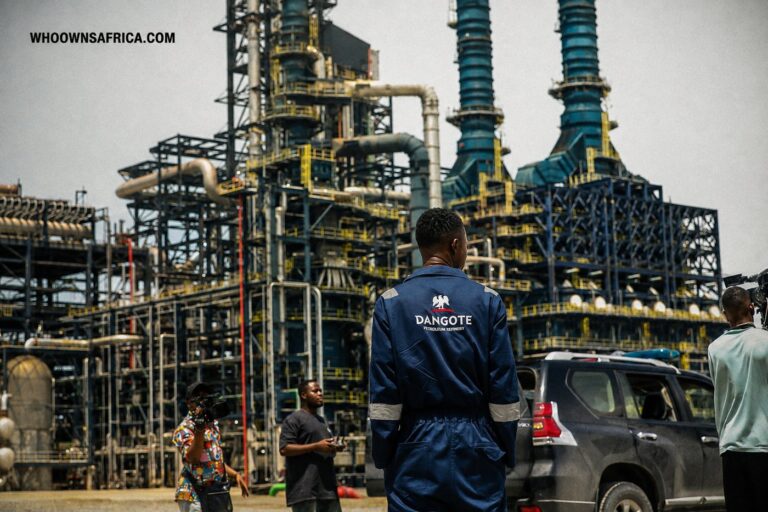
Who will own Dangote refinery after the IPO?
Nigeria's SEC-approved offer sets the stage for Africa's largest share listing, reshaping ownership at the world's biggest single-train oil refinery.
How Samuel Dossou-Aworet built a $1.43 billion stake in Nigeria’s oil industry
A Benin-born engineer who once ran Gabon's national oil sector has quietly assembled one of Nigeria's largest energy fortunes today.