


What makes a company one of Africa’s biggest?
There is no single universally accepted ranking of Africa’s largest companies. Market capitalisation measures the stock-market value of a listed company’s equity. Revenue measures income generated by business operations, while assets reveal the scale of resources controlled by an organisation. These measurements produce different rankings.
Algeria’s Sonatrach and Nigeria’s NNPC, for example, are enormous businesses by revenue but do not appear in conventional stock-market rankings because they are state-owned and unlisted. Meanwhile, Naspers, FirstRand, Capitec, Standard Bank, MTN and Gold Fields are prominent listed corporations. The OECD’s Africa Capital Markets Report 2026 examines state-owned enterprises and the development of African capital markets. Its 2025 analysis of public equity markets also documents concentrated ownership and the importance of minority-shareholder protections.
Fifty major corporate names to know
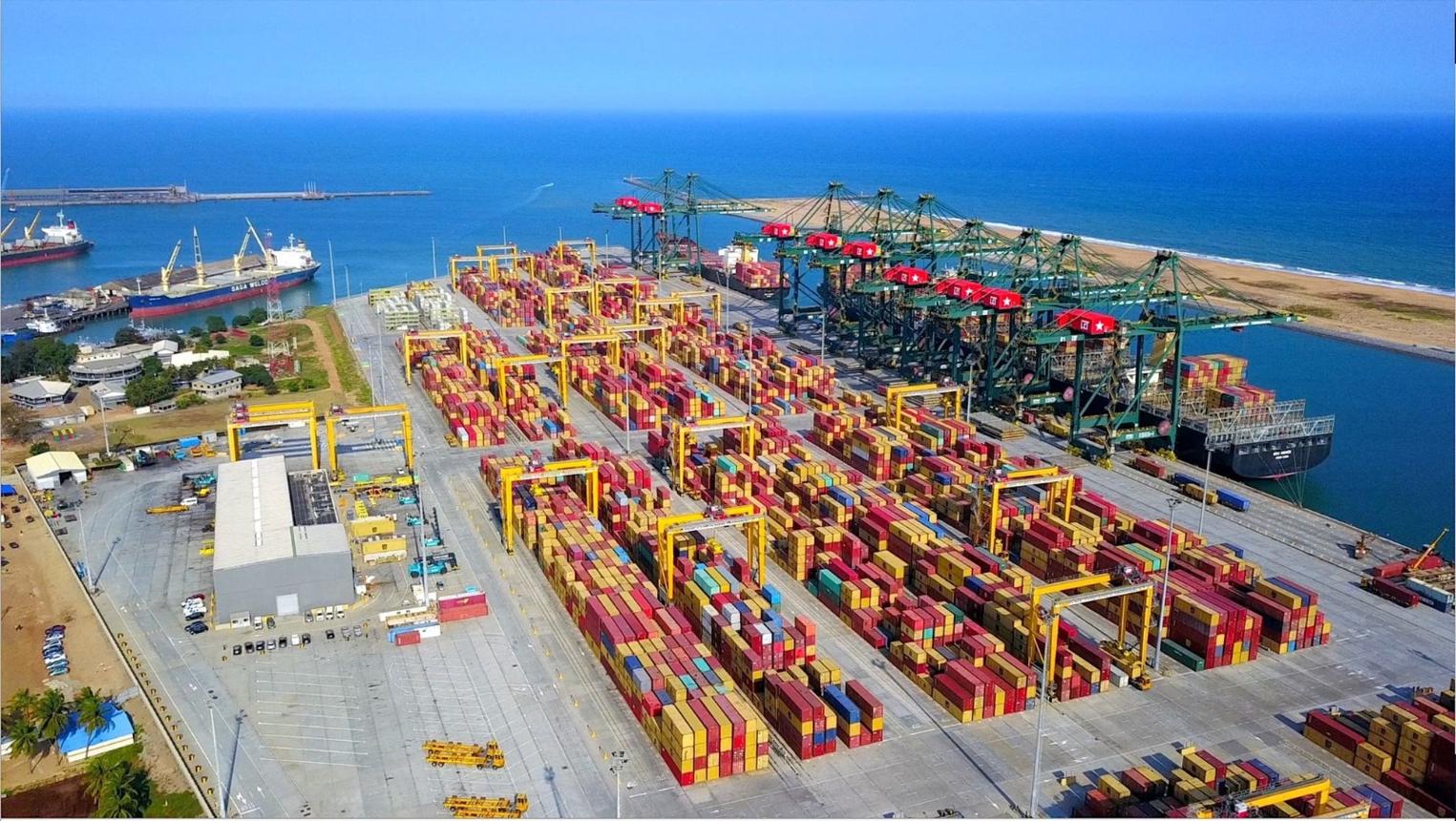
- Who owns Africa’s largest companies, their founders, shareholders, headquarters and influence across major African industries.
The following is a selected guide to major companies and corporate groups with significant operations, listings or strategic importance in Africa. It is not a real-time top-50 ranking by market value. Some are publicly listed, others are privately held or state-owned. Inclusion reflects scale, strategic importance and influence across key sectors.
| No. | Company | Industry | Headquarters | Ownership and control overview |
|---|---|---|---|---|
| 1 | AngloGold Ashanti | Gold mining | Johannesburg | Publicly listed |
| 2 | Capitec Bank | Banking | Stellenbosch | Publicly listed; founder-associated |
| 3 | Gold Fields | Gold mining | Johannesburg | Publicly listed |
| 4 | FirstRand | Banking and financial services | Johannesburg | Publicly listed |
| 5 | Standard Bank Group | Banking | Johannesburg | Publicly listed; ICBC is a major strategic shareholder |
| 6 | MTN Group | Telecommunications | Johannesburg | Publicly listed |
| 7 | Valterra Platinum | Platinum mining | Johannesburg | Publicly listed following separation from Anglo American |
| 8 | Vodacom Group | Telecommunications | Johannesburg | Vodafone holds a controlling 65.1% stake |
| 9 | OUTsurance Group | Insurance | Centurion | Publicly listed |
| 10 | Absa Group | Banking | Johannesburg | Publicly listed |
| 11 | Shoprite Holdings | Retail | Brackenfell | Publicly listed |
| 12 | Discovery Limited | Insurance and financial services | Sandton | Publicly listed; founder-associated |
| 13 | Sanlam | Insurance and financial services | Bellville | Publicly listed |
| 14 | Harmony Gold | Gold mining | Randfontein | Publicly listed |
| 15 | Impala Platinum | Platinum mining | Johannesburg | Publicly listed |
| 16 | Bid Corporation | Food distribution | Johannesburg | Publicly listed |
| 17 | Sasol | Energy and chemicals | Sandton | Publicly listed |
| 18 | Northam Platinum | Platinum mining | Johannesburg | Publicly listed |
| 19 | Nedbank Group | Banking | Sandton | Majority-controlled by Old Mutual |
| 20 | Investec | Banking and wealth management | Johannesburg and London | Dual-listed |
| 21 | Naspers | Technology and media investments | Cape Town | Publicly listed holding company |
| 22 | Remgro | Investment holding | Stellenbosch | Publicly listed; associated with the Rupert family |
| 23 | Sibanye-Stillwater | Mining | Johannesburg | Publicly listed |
| 24 | Bidvest Group | Diversified services | Johannesburg | Publicly listed |
| 25 | Aspen Pharmacare | Pharmaceuticals | Durban | Publicly listed; founder-associated |
| 26 | Seplat Energy | Oil and gas | Lagos | Publicly listed |
| 27 | Elsewedy Electric | Electrical equipment and infrastructure | Cairo | Family-founded; publicly traded |
| 28 | Telecom Egypt | Telecommunications | Cairo | Majority state-owned; minority publicly traded |
| 29 | Kumba Iron Ore | Iron ore mining | Centurion | Majority-owned by Anglo American |
| 30 | Old Mutual | Financial services | Johannesburg | Publicly listed |
| 31 | Pepkor Holdings | Retail | Cape Town | Publicly listed |
| 32 | Momentum Group | Insurance and financial services | Centurion | Publicly listed |
| 33 | Helios Towers | Telecommunications infrastructure | London; major African operations | Publicly listed |
| 34 | Growthpoint Properties | Real estate | Sandton | Publicly listed |
| 35 | Talaat Moustafa Group | Real estate and property development | Cairo | Founder-family-associated; publicly traded |
| 36 | Exxaro Resources | Mining and energy | Pretoria | Publicly listed |
| 37 | Santam | Insurance | Cape Town | Controlled by Sanlam |
| 38 | Tiger Brands | Food manufacturing | Bryanston | Publicly listed |
| 39 | Clicks Group | Pharmacy and healthcare retail | Cape Town | Publicly listed |
| 40 | Mr Price Group | Retail and fashion | Durban | Publicly listed |
| 41 | Pan African Resources | Gold mining | Johannesburg | Publicly listed |
| 42 | Redefine Properties | Real estate | Johannesburg | Publicly listed |
| 43 | Egypt Aluminium | Aluminium production | Nag Hammadi | State-linked industrial enterprise |
| 44 | Ninety One | Asset management | London and Cape Town | Publicly listed |
| 45 | Misr Fertilizers Production Company | Fertilisers | Cairo | Publicly listed |
| 46 | Eastern Company | Tobacco manufacturing | Giza | Publicly listed; state and private-sector interests |
| 47 | Dangote Cement | Cement manufacturing | Lagos | Controlled through Dangote Industries |
| 48 | OCP Group | Phosphates and fertilisers | Casablanca | Moroccan state-controlled |
| 49 | Sonatrach | Oil and gas | Algiers | Wholly state-owned by Algeria |
| 50 | NNPC Limited | Oil and gas | Abuja | Wholly owned by the Federal Government of Nigeria |
Ownership descriptions are broad classifications, not a substitute for current share registers. Shareholdings, corporate structures, listings and headquarters can change. Verify every percentage against the latest annual report or exchange filing before using it for investment decisions.
The state still owns some of Africa’s most powerful businesses

One of the most revealing features of African corporate ownership is the continuing influence of national governments. In many economies, governments are not simply regulators overseeing private companies. They are shareholders, controlling owners and, in some cases, the ultimate beneficiaries of entire industrial sectors.
Sonatrach in Algeria and NNPC in Nigeria illustrate full state ownership in strategic energy industries. Eskom in South Africa, Libya’s National Oil Corporation and Morocco’s OCP Group show how public ownership can extend into electricity, oil and mineral processing. The OECD’s analysis of state-owned enterprises in Africa explains why governance, disclosure and professional oversight matter.
State ownership can protect strategic interests and support long-term investment. It can also create conflicts when governments act simultaneously as owners, regulators and policymakers. The challenge is to ensure that public enterprises operate transparently, publish reliable accounts and serve a clear public purpose.
The rise of Africa’s billionaire business owners
Private business groups have also become powerful centres of economic influence. Aliko Dangote’s industrial interests span cement, fertiliser, food processing and refining. His corporate model illustrates how a founder can build influence across several links in a supply chain rather than depend on one product or market. Read about Dangote’s regional industrial ambitions and the barriers to ownership of large industrial projects.
South Africa’s Rupert family has built an influential investment presence through Remgro and related interests. In Egypt, family groups associated with the Mansour and Sawiris names operate across multiple industries. In East Africa, the Shah and Dewji business networks illustrate the importance of manufacturing, distribution and regional supply chains. These examples feature in Who Owns Africa’s coverage of African billionaire families and major African business empires.
Founder influence should not automatically be confused with complete legal ownership. Listed companies can have thousands of shareholders, and control may depend on voting rights, holding companies, shareholder agreements and board representation. Private groups may also have complex structures that are not fully visible in public filings.
Foreign investors have a significant stake in African markets
International capital is another important part of the picture. Foreign investors can provide finance, technology, management expertise and access to international markets. Sometimes they hold substantial minority positions; in other cases they exercise direct control.
Vodacom, for example, is majority-owned by Vodafone. Maroc Telecom has had a major shareholder linked to the United Arab Emirates, alongside a significant Moroccan state holding. These arrangements show why the location of a company’s headquarters does not, by itself, establish who ultimately controls its equity or receives its profits.
Foreign ownership is not automatically harmful, just as domestic ownership is not automatically beneficial. The relevant questions concern competition, taxation, local supplier development, technology transfer, reinvestment and the distribution of returns. The same debate runs through reporting on foreign investment in Kenya’s mineral sector, Gulf investment in African ports and the global contest for strategic minerals.
Who owns the companies behind everyday African life?
Corporate ownership becomes especially important in sectors that provide essential services. Banks influence access to credit and savings. Telecom networks support mobile money and digital commerce. Retailers shape supply chains, while energy and logistics companies affect the cost of production across entire economies.
Telecommunications ownership is a particularly useful case study. The market includes network operators, tower companies, submarine-cable investors, data-centre operators and mobile virtual network providers. Each controls a different layer of the digital economy. Explore the owners of Africa’s biggest telecom companies, the contest over Africa’s internet infrastructure and the changing role of mobile virtual network operators.
Banking is equally revealing. Acquisitions can change the balance between domestic family shareholders, regional financial groups and international institutions. The Nedbank-NCBA ownership story and the Ndegwa family’s ICEA Lion transaction show how control can shift even when a brand and its operations remain familiar to customers.
What African investors should examine
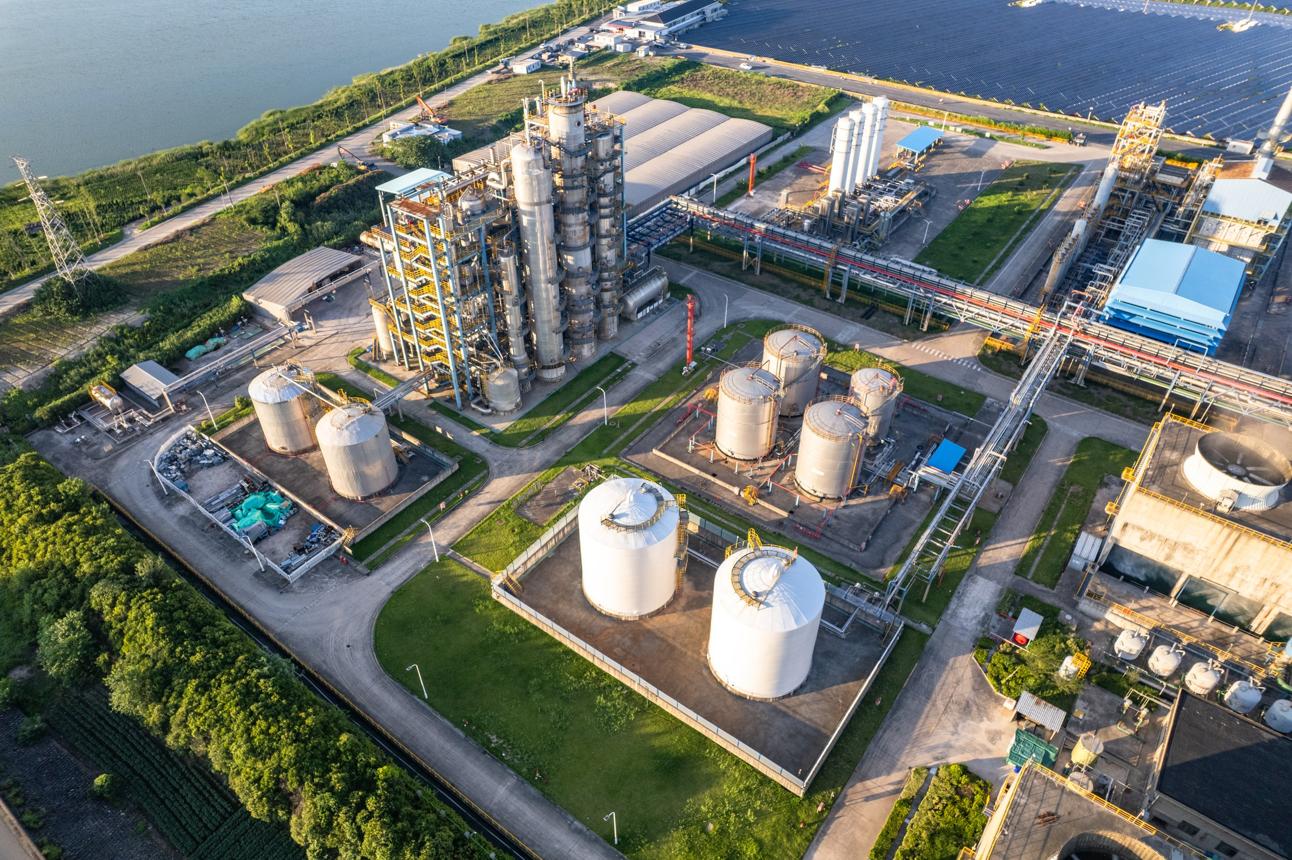
Investors should look beyond the founder’s name or a company’s market value. Four issues deserve particular attention:
- Beneficial ownership: identify the individuals or entities that ultimately own or control the company.
- Shareholder concentration: establish whether a dominant shareholder can determine board decisions or materially influence strategy.
- Capital allocation: examine whether profits are reinvested, distributed as dividends, used for acquisitions or applied to reduce debt.
- Political and regulatory exposure: assess the risks associated with licences, concessions, state contracts, price controls and policy changes.
These questions matter in markets where currency volatility, liquidity constraints and regulatory changes can affect valuations. They also matter when pension funds and domestic institutions consider whether to invest in local companies. Read Who Owns Africa’s reporting on African pension savings, private equity in value creation and international capital-market financing.
The ownership question Africa cannot ignore
Africa’s corporate giants provide employment, develop infrastructure, generate tax revenue and connect national economies to international markets. Yet the growth of business activity does not automatically translate into widespread domestic ownership of productive assets.
Deeper capital markets could allow pension funds, insurance companies, domestic institutions and ordinary citizens to participate in corporate wealth creation. But expanding public ownership requires more than listing state-owned companies. Investors need credible financial statements, independent governance, reliable regulation and protection for minority shareholders.
The opportunity extends beyond traditional sectors. New businesses in electric mobility, digital payments, technology, pharmaceuticals and renewable energy may become tomorrow’s corporate giants. The ownership of these emerging markets will depend on who finances them, who builds the infrastructure and whether local companies can scale across borders. Relevant coverage includes Kenya’s electric-vehicle ambitions, East Africa’s digital payments network, Moove’s growth and Africa’s next generation of large businesses.
The next battle is over economic ownership
The story of Africa’s largest companies is ultimately a story about power. Founders who established industrial empires, governments that control strategic resources, international corporations that own African subsidiaries and institutional investors that finance listed businesses all influence the direction of the continent’s economy.
Ownership is not static. Companies are acquired, shareholders sell their stakes, governments restructure enterprises and new entrepreneurs challenge established groups. From the changing ownership of East African Breweries to the future of Kenya Airways, corporate control remains a live question across the continent.
Africa does not need every major company to be owned entirely by Africans. International investment will remain important to industrial development and global competitiveness. What matters is building a system in which African institutions, pension funds, entrepreneurs and citizens have meaningful opportunities to participate in corporate wealth creation.
The true measure of Africa’s corporate progress will not only be the size of its companies, but also how widely the wealth, ownership and economic opportunities they create are shared.
Disclaimer: This article is for general information and editorial analysis. It is not investment advice. Shareholdings and corporate structures can change, and readers should consult current regulatory filings before making investment decisions.

More from Ownership
Inside the $1.2 trillion opportunity in African company acquisitions
Foreign investors, private equity firms and multinational corporations are reshaping ownership of African businesses, infrastructure and strategic economic assets.